Direct factory formulations engineered for high reactivity, superior wear resistance, and precise viscosity tuning.
Understanding the chemical synergy between aliphatic/aromatic isocyanates, polyol backbones, and acrylate functional density for ultra-durable coatings.
Acrylic urethane products occupy a unique position in modern polymer engineering. By synthesizing polyurethane acrylate (PUA) oligomers through the stoichiometry-controlled reaction of diisocyanates (such as IPDI, HDI, or TDI) with hydroxyl-terminated polyols and capping them with hydroxyalkyl acrylates (e.g., HEA or HPA), formulators achieve an optimal balance of toughness, elasticity, and rapid photo-curing response.
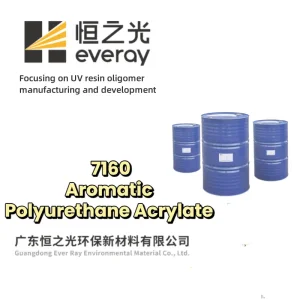
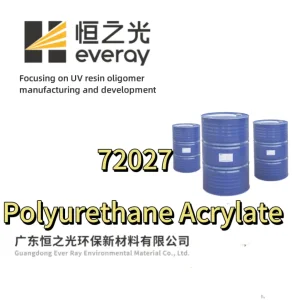
Aliphatic polyurethane acrylates derived from Isophorone Diisocyanate (IPDI) or Hexamethylene Diisocyanate (HDI) deliver non-yellowing, weather-resistant structural networks ideal for exterior automotive clearcoats, 3C electronic housings, and optical films. Conversely, aromatic polyurethane acrylates based on Toluene Diisocyanate (TDI) offer economic advantages and elevated tensile strength for interior wood, PVC floor primers, and heavy-duty industrial inks.
The double-bond functionality ($f$) of urethane acrylate oligomers dictates the final crosslink density and mechanical spectrum:
| Polymer Class | Cure Speed | Pencil Hardness | Elongation at Break | Yellowing Resistance | Adhesion to Metals/Plastics |
|---|---|---|---|---|---|
| Aliphatic Urethane Acrylate | Fast - Very Fast | 2H - 5H | 10% - 150% | Outstanding (ΔE < 1.0) | Excellent (PC, ABS, Aluminum) |
| Aromatic Urethane Acrylate | Very Fast | HB - 3H | 5% - 80% | Moderate (Interior Use) | Good (Wood, PVC, Glass) |
| Bisphenol A Epoxy Acrylate | Ultra-Fast | 3H - 6H | < 5% | Poor (Yellows under UV) | High Rigidity, Moderate Adhesion |
| Polyester Acrylate | Moderate | HB - 2H | 20% - 100% | Moderate to Good | Outstanding Pigment Wetting |
Mitigating procurement risks, ensuring batch-to-batch consistency, and optimizing Total Cost of Ownership (TCO) for multinational formulators.
For large-scale coating manufacturers, lot-to-lot variance in oligomer viscosity, color index (Gardner scale), or free monomer content can disrupt automated application lines. Leading global enterprises require stringent Quality Assurance parameters.
Every production batch undergoes mandatory Gel Permeation Chromatography (GPC) molecular weight distribution verification, Brookfield viscosity profiling across controlled temperature gradients, and FT-IR functional group conversion tracking. This ensures identical rheological behavior and photopolymerization response across every shipment.
Sourcing high-volume acrylic urethane products direct from synthesis plants eliminates intermediary trading markups while unlocking custom monomer blending options. By substituting high-energy mercury lamp photoinitiator packages with optimized LED-UV curable urethane acrylates (curing effectively at 365nm and 395nm wavelengths), industrial applicators reduce factory energy consumption by up to 60%.
Leveraging Guangdong's chemical cluster, raw material self-sufficiency, and advanced synthesis lines for uninterrupted worldwide supply.
Situated in the heart of Southern China's advanced chemical manufacturing hub (Yunfu Production Base, Guangdong), Guangdong Ever Ray Environmental Material Co., Ltd. benefits from direct upstream access to key monomers including acrylic acid, IPDI, HDI, and specialty polyols.
This vertical integration insulates global buyers from global raw material volatility, guarantees price stability, and enables flexible production scaling from 200kg trial drums to multi-container monthly supply agreements.
Operating over 10 automated stainless-steel reaction lines equipped with precision temperature control, high-vacuum distillation, and online viscosity monitoring, EVER RAY's R&D engineers regularly tailor urethane acrylate properties:
Complete documentation, international chemical registration compliance, and localized application engineering across overseas markets.
Exporting chemical products into North America, the European Union, and Asia-Pacific requires strict adherence to environmental regulations:
Urethane acrylate resins are securely packaged in UN-rated steel drums (200kg net), IBC totes (1000kg net), or ISO tanks, equipped with temperature-monitored loggers during ocean transport.
Our international technical service team provides multi-lingual support (English, German, Spanish, Portuguese, Japanese), offering starting formulation suggestions, photoinitiator optimization (TPO, 184, DETX, Omnirad series), and on-site troubleshooting for curtain coating, spray coating, and screen printing lines.
Tailor-made performance for demanding substrates across automotive, electronics, flooring, printing inks, and additive manufacturing.
Aliphatic polyurethane acrylates (e.g., trifunctional IPDI-based oligomers) form non-yellowing, self-healing exterior clearcoats. They resist stone chipping, acidic rain, and thermal cycling tests (-40°C to +120°C) while preserving 20° gloss levels above 95 units.
Smartphones, laptops, and wearables require hard UV coatings on PC, ABS, and PMMA plastics. Multi-functional acrylate oligomers combined with adhesion-promoting modified monomers deliver 4H steel-wool scratch resistance and flawless adhesion after 1000-cycle alcohol rub tests.
Luxury Vinyl Tile (LVT), Stone Plastic Composite (SPC) flooring, and natural hardwood parquet require high-solids, low-shrinkage urethane acrylate topcoats. Products like 1290H provide extreme abrasion resistance (Taber abrasion tests) and chemical stain resistance against coffee, wine, and iodine.
Modern additive manufacturing relies on urethane acrylates engineered for low volumetric shrinkage and high heat deflection temperature (HDT). They enable high-precision engineering prototypes, tough ABS-like functional parts, and elastomeric shoe midsoles.
Sustainable chemistries, bio-based feedstocks, LED-UV long-wavelength curing, and dual-cure mechanisms shaping the future.
As carbon-neutral mandates expand globally, raw material synthesis is transitioning toward renewable plant-derived polyols (castor oil, soybean oil, dimer fatty acids). Next-generation bio-based urethane acrylates achieve carbon biomass content of 30% to 60% without compromising tensile strength or cure velocity.
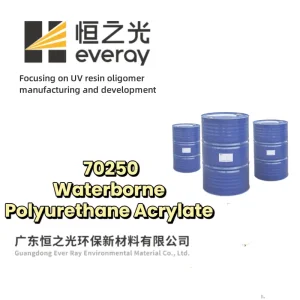
Waterborne Polyurethane Acrylate Dispersions (UV-PUDs) combine the physical drying properties of thermoplastic PUDs with the chemical crosslinking performance of UV curing. Eliminating reactive diluents results in zero-VOC formulations with ultra-thin film build, perfect for premium leather finishes and eco-sensitive wood coatings.
To address shadowed areas on complex 3D automotive or electronic components where UV light cannot penetrate, dual-curing urethane acrylates incorporate secondary thermal or moisture-curing isocyanate moieties. This guarantees 100% polymer matrix conversion across shadowed geometry.
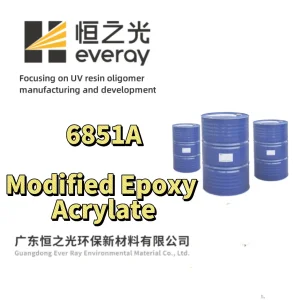
Explore specialized epoxy acrylates, weather-resistant polyurethane acrylates, and high-tack adhesive resins.
In-depth answers covering chemical selection, formulation optimization, compliance, and supply logistics.
Request free lab samples, technical data sheets, and custom synthesis consultations directly from our senior chemical application engineers.
Contact Technical Sales