
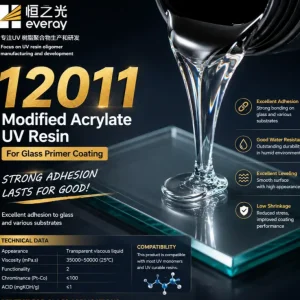
12011 Modified Acrylate UV Resin for Glass Primer Coatings
View Product Details
Direct-factory curable resin grades tailored for PCB solder masks, substrate coatings, optical primers, and advanced electronics protection.
In modern electronics assembly, the performance, thermal resilience, and dielectric stability of Printed Circuit Boards (PCBs) depend directly on the quality of underlying chemical building blocks. Procurement teams and engineering leads searching to buy epoxy resin PCB factory-direct material face complex trade-offs: balancing high glass transition temperatures ($T_g$), ultra-low dielectric constants ($D_k$) and dissipation factors ($D_f$), flame retardancy (UL94 V-0 compliance), and consistent cure behavior under high-throughput UV/thermal processing lines.
Established in 2006, Guangdong Ever Ray Environmental Material Co., Ltd. (EVER RAY) operates a state-of-the-art 40,000 square meter synthetic resin production ecosystem in Yunfu, Guangdong. As a specialized manufacturer of UV-curable oligomer systems—spanning modified bisphenol-A epoxy acrylates, aliphatic/aromatic polyurethane acrylates, photo-imageable solder mask resins, and reactive diluent monomers—EVER RAY bridges the gap between raw chemical synthesis and microelectronics reliability standards.
Standard epoxy resins utilize thermal amine or anhydride curing mechanisms. However, next-generation high-density interconnect (HDI) PCBs, Liquid Photo-Imageable (LPI) solder masks, and flexible printed circuit boards require hybrid radiation-curable networks. By acrylating epoxy backbones (such as Bisphenol-A diglycidyl ether or Novolac epoxides), polymer chemists create **Epoxy Acrylate Oligomers** (e.g., EVER RAY Grade 9105A-80 and 6231) that yield instantaneous UV photo-curing combined with the inherent adhesion, chemical toughness, and thermal stamina of epoxy networks.
Formed via the reaction of Bisphenol A epoxy resins with acrylic acid. Provides exceptionally high cross-linking density, superior tensile strength, rapid UV surface cure, and robust resistance to chemical etching agents used in PCB trace production.
Designed for ultra-high temperature applications ($T_g > 150^\circ\text{C}$). Novolac backbones possess higher functionality per molecule, minimizing outgassing, reducing thermal expansion, and providing the solvent resistance needed for lead-free wave soldering ($260^\circ\text{C}$ peak).
Combine UV radiation curing for rapid image patterning (solder mask exposure) with subsequent thermal baking to drive residual carboxylic acid reactions, achieving maximum inter-layer adhesion and electrical insulation resistance (SIR).
| Polymer Architecture | Typical Viscosity (mPa.s/25°C) | Cure Mechanism | Primary PCB Application | Key Technical Advantage |
|---|---|---|---|---|
| Standard Bisphenol A Epoxy Acrylate | 15,000 - 35,000 | UV Radical Curing | Etch Resists & Rigid Overcoat Varnish | High hardness, rapid surface touch-dry cure speed |
| Acid-Modified Photo-Imageable Resin | 4,000 - 12,000 | UV Exposure + Alkaline Dev + Heat | LPI Solder Mask Inks (Green, White, Black) | Precise line resolution, high alkaline developer solubility |
| Aliphatic Polyurethane Acrylate (PUA) | 2,000 - 8,000 | UV Radical Curing | Flexible Circuit (FPC) Coverlays & Conformal Coatings | Zero yellowing, superior flexural bending fatigue resistance |
| Low-Shrinkage Pure Acrylate Oligomer | 1,000 - 5,000 | UV / Moisture Dual-Cure | Component Encapsulation & PCB Potting | Low volumetric shrinkage (<1.5%), zero internal stress cracks |
Global electronics contract manufacturers (EMS), PCB fabricators, and chemical ink formulators face increasing margin pressures alongside strict quality standards. Purchasing directly from qualified Chinese synthesis plants provides substantial competitive advantages over purchasing via multi-tier trading intermediaries:
Guangdong Ever Ray sources core chemical precursors—including epichlorohydrin, acrylic acid, and specialty isocyanates—directly from integrated chemical hubs in South China. This vertical proximity insulates buyers from global raw material spot-price volatility.
Featuring 10+ automated, temperature-controlled chemical reactors ranging from 5-ton to 30-ton capacity, EVER RAY ensures annual production output exceeding tens of thousands of metric tons with minimal batch-to-batch variance.
Unlike static off-the-shelf chemical suppliers, EVER RAY’s in-house laboratory adjusts oligomer molecular weight distribution, viscosity profiles, acrylic double-bond conversion rates, and color values (Gardner scale < 1) based on custom formulation needs.
Fully certified for international maritime transport of liquid chemicals (UN-approved 200kg steel drums, 1000kg IBC totes, and ISO tanks) equipped with SDS, TDS, and COA documentation matching destination market chemical inventory lists.
Procurement leads at multinational electronics OEMs require rigorous compliance testing before approving new resin raw materials into their Approved Vendor Lists (AVL). Epoxy resins for PCB solder masks and laminates must satisfy international electrical, safety, and environmental standards:
All EVER RAY epoxy acrylates and UV oligomers are fully compliant with EU RoHS Directive 2011/65/EU and Regulation (EC) No 1907/2006 (REACH). Products are rigorously screened to confirm zero heavy metals (Lead, Cadmium, Mercury, Cr VI) and restricted phthalates.
Formulations using our modified epoxy acrylates can easily achieve self-extinguishing flame-retardant properties (UL94 V-0 rating) when combined with halogen-free phosphorus or nitrogen-based flame retardant additives, satisfying consumer electronic safety directives.
Resins intended for Liquid Photo-Imageable (LPI) solder masks pass IPC-SM-840 Class H & Class T qualifications, verifying resistance to moisture and insulation resistance (SIR), hydrolytic degradation, and solder heat resistance without blistering.
The rapid evolution of automotive electronics, AI hardware servers, 5G/6G millimeter-wave telecommunications, and wearable smart devices is reshaping resin chemistry performance metrics:
High-frequency signal transmission in AI servers and 5G basestations demands resins with dielectric constants ($D_k$) below 3.0 and dissipation factors ($D_f$) below 0.005. EVER RAY's R&D is pioneering modified fluorinated and hyperbranched acrylates to minimize signal attenuation.
Traditional mercury vapor lamps generate excessive heat and ozone, which can warp thin PCB substrates. Modern factories are retrofitting lines with energy-efficient LED-UV curing systems. EVER RAY formulates high-reactivity amino-acrylates and active amine synergists to eliminate surface oxygen inhibition under LED wavelengths.
Corporate ESG mandates drive the adoption of bio-derived epoxy building blocks and halogen-free green solder masks. Synthetic advances allow formulators to replace toxic halogenated flame retardants while retaining superior moisture-heat stability.
Epoxy acrylate resins and UV curable oligomers supplied by EVER RAY are deployed across critical stages of printed circuit board fabrication, component assembly, and protective encapsulation:
Solder mask inks safeguard copper circuit traces against oxidation, short circuits, and bridging during automated component soldering. Acid-modified epoxy acrylates provide excellent alkaline solution developability in unexposed zones and tough, heat-resistant insulation over cross-linked areas.
Used during outer-layer pattern transfer, photoresist films formulated with fast-curing epoxy acrylate oligomers (such as Grade 6160M-3) deliver crisp line edge sharpness (resolution under 25 microns) and clean stripping performance in chemical baths.
Assembled PCBs operating in harsh automotive under-hood or outdoor industrial environments require protective thin-film coatings. Polyurethane-modified epoxy acrylate blends guard components against salt spray, high humidity, dust contamination, and thermal cycling shocks.
Low-viscosity, high-purity pure acrylate and epoxy oligomers fill micro-gaps beneath Ball Grid Array (BGA) packages and Flip-Chips, dissipating thermo-mechanical stress caused by mismatched Coefficients of Thermal Expansion (CTE).
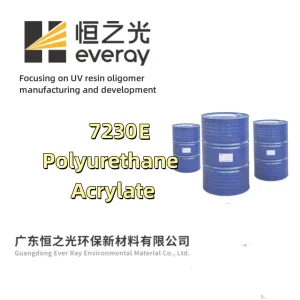
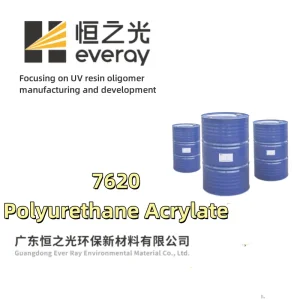
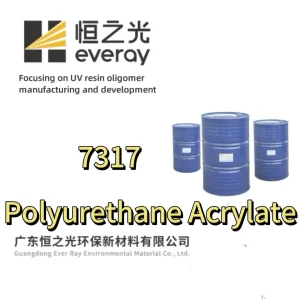
Advanced urethane acrylates, non-yellowing polymers, peelable adhesives, and high-reactivity oligomer systems.
Clear, authoritative guidance for chemical procurement directors, compliance managers, and R&D formulation chemists.
Request technical data sheets (TDS), safety data sheets (SDS), sample drums, or custom oligomer modification proposals directly from our senior engineering team.