Factory-direct resins engineered for fast crosslinking, high flexural strength, superior adhesion to natural nails, and compliance with global safety standards.
The global nail care industry is undergoing a structural paradigm shift driven by stringent cosmetic regulations, evolving consumer safety standards, and demand for professional-grade durability. For B2B procurement managers, brand owners, and OEM/ODM private-label enterprises, sourcing gel nail polish factory & products requires navigating complex chemistry choices beyond mere aesthetic tinting.
Historically, gel nail polish formulations relied heavily on monomeric acrylates such as HEMA (2-hydroxyethyl methacrylate) and HPMA (hydroxypropyl methacrylate) to lower viscosity and promote adhesion to the natural nail plate. However, rising incidence rates of contact dermatitis and sensitization have prompted regulatory crackdowns—most notably across the European Union under Regulation (EC) No 1223/2009. Concurrently, the banning of photoinitiator TPO (Trimethylbenzoyl Diphenylphosphine Oxide) due to reproductive toxicity classification forces chemical synthesis teams to rethink free-radical photopolymerization dynamics.
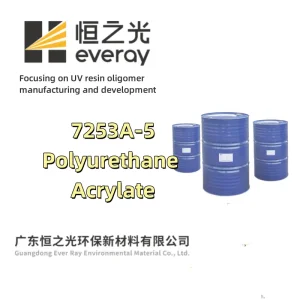
To establish a sustainable market advantage, leading professional cosmetics brands are shifting toward high-molecular-weight aliphatic polyurethane acrylate (APUA) oligomers. These resins provide exceptional mechanical toughness, crystal-clear non-yellowing aesthetics under dual 365nm+405nm LED lamps, and negligible shrink stress upon crosslinking.
| Chemical Backbone | Cure Speed (LED 365+405nm) | Flexibility & Adhesion | Exotherm Peak (Heat Spike) | Yellowing Index (ΔYI) | Regulatory Status (EU/FDA) |
|---|---|---|---|---|---|
| Aliphatic Urethane Acrylate (APUA) | Fast (15-30s) | Exceptional (High Elasticity) | Low (< 38°C) | Ultra-Low (< 0.5) | Fully Compliant (HEMA/TPO Free) |
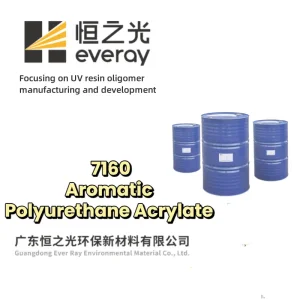
| Aromatic Urethane Acrylate | Very Fast (10-20s) | Moderate (Rigid) | Medium (42-48°C) | High (Yellows over time) | Restricted for Skin Contact |
| Epoxy Acrylate Monomers | Ultra-Fast (< 15s) | Brittle (High Shrinkage) | Severe (> 52°C Spike) | Moderate-High | Non-Compliant for Direct Cosmetic Use |
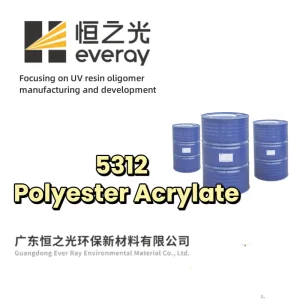
| Polyester Acrylate Oligomers | Moderate (30-45s) | Good Pigment Wetting | Low-Medium | Low-Moderate | Requires Formulation Balancing |
Anticipating regulatory changes and breakthrough polymer chemistry driving the next decade of professional nail care innovations.
The next frontier eliminates conventional petrochemical acrylated monomers. Advanced R&D focuses on synthesizing aliphatic urethane oligomers utilizing plant-derived polyols (soybean oil, castor oil derivatized succinates) blended with functional methacrylate substitute monomers.
Curing exotherm heat spikes cause intense discomfort for salon clients. Polymer modification via steric hindrance and chain-transfer agents controls double-bond propagation rates, spreading heat generation evenly across the 30-second LED exposure cycle.
Future gel polishes incorporate responsive nanomaterials. Thermochromic pigment encapsulation, magnetic optical aligned micro-flakes (Cat-Eye 3.0), and photochromic light-activated color transitions require hyper-stable resin suspension matrices.
Atmospheric oxygen rapidly quenches surface radicals during free-radical UV polymerization, leaving a sticky, under-cured oxygen inhibition layer on gel polish top coats. Advanced gel factories utilize amine-modified polyether acrylates or hyperbranched oligomers with intrinsic hydrogen donor sites. These chemistry adjustments consume oxygen molecules locally, enabling tack-free, ultra-high-gloss top coats under ambient air without requiring expensive solvent wipes or nitrogen purging environments.
Tailored chemical systems engineered for every layer of the professional 3-step gel manicuring regimen.
Base coats demand extreme physical and chemical anchoring to the hydrophilic human nail plate without causing keratin layer de-lamination during removal.
Color coat formulations face pigment flotation, streakiness, and light-blocking cure attenuation caused by dense inorganic pigments (TiO2, Iron Oxides).
Top coats serve as the final protective shield against household chemicals, hair dyes, UV yellowing, and mechanical abrasion.
In the global chemical supply chain, Guangdong-based resin synthesis and gel polish contract manufacturing facilities offer unmatched vertical integration. As a leading manufacturer operating out of premier chemical industrial zones, our facility combines upstream monomer synthesis with automated cosmetics packaging lines.
Our 40,000+ square meter production base utilizes Distributed Control Systems (DCS) to govern temperature, monomer feed rates, and vacuum distillation within ±0.5°C accuracy. This guarantees identical molecular weight distribution (Mw/Mn) and viscosity tolerances (< 2% delta batch-to-batch).
Every raw material lot and finished gel batch undergoes rigorous analytical characterization: High-Performance Liquid Chromatography (HPLC) for residual monomer control, Gel Permeation Chromatography (GPC), Fourier-Transform Infrared Spectroscopy (FTIR) for curing rate mapping, and Rheology Profiling.
Direct sourcing of polyisocyanates, acrylate esters, and specialized photoinitiators insulates global clients from raw material price volatility. High-volume continuous manufacturing ensures competitive wholesale tier pricing for large-scale OEM brands.
Full-spectrum compliance documentation and logistics optimization for seamless international import.
We provide complete technical documentation required by international regulatory authorities for cosmetic product notification:
Acrylate oligomers and photo-curable formulations require specialized packaging to prevent premature polymerization triggered by light or ambient heat during maritime transit:
From custom color shade matching (Pantone / RAL color lab) to custom bottle printing, filling, and final retail boxing:
When searching to buy gel nail polish factory & products, B2B procurement officers must evaluate suppliers across four core dimensions: Chemical Purity, Supply Chain Stability, Formulation Versatility, and Regulatory Longevity.
Verify that the factory synthesizes pure oligomers without dilution via low-cost volatile solvents or unreacted monomers that increase skin sensitization risk.
Evaluate trial samples for viscosity stability at 50°C (accelerated aging test), curing rate under 365+405nm LEDs, crosslink density, and soak-off speed.
Inspect factory ISO certifications, GMP cleanroom standards, and execute long-term quality agreements specifying delta viscosity tolerances.
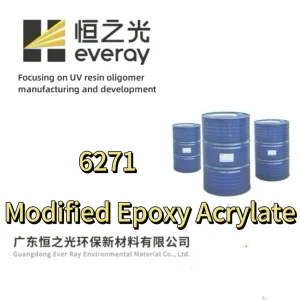
Explore specialized modified epoxy acrylates, hyperbranched polymers, and multi-purpose UV curing resin solutions.
Addressing core engineering, regulatory, and purchasing queries regarding UV resin supply.
HEMA (2-Hydroxyethyl Methacrylate) is a small-molecule monomer widely used for adhesion. However, due to its high skin penetration and allergy potential, HEMA-Free formulations substitute it with higher molecular weight aliphatic urethane acrylates, acryloyl morpholine (ACMO), or customized ester mono-monomers that deliver strong hydrogen bonding to keratin without crossing the skin barrier.
We strictly utilize 100% aliphatic polyisocyanates (IPDI or HDI derivatives) in our oligomer backbone synthesis, avoiding aromatic structures (TDI or MDI) which degrade into yellow quinoid chromophores upon UV light exposure. Each lot is verified via spectrophotometer to ensure ΔYI (Yellowing Index) remains below 0.5 after 100 hours of QUV accelerated weathering.
Yes. Our photopolymerization formulation engineers optimize photoinitiator cocktails combining broad-spectrum absorbers (such as TPO-L, BAPO, and hydroxycyclohexyl phenyl ketone) so that full through-cure and surface conversion are achieved simultaneously under dual-wavelength 365nm + 405nm LED lamps within 15–30 seconds.
For raw oligomer resin supply, standard MOQs start at 25 kg test drums or 200 kg steel barrels. For turnkey private-label filled gel polish products (OEM/ODM), MOQs typically start at 1,000 units per color shade with full custom bottle printing and packaging.
Every shipment includes a GHS-compliant Safety Data Sheet (SDS) in English or target local language, Certificate of Analysis (COA), UN-3082 / Class 9 DG transport declaration, and Marine Pollutant safety handling certification for seamless customs clearance.
Hyperbranched acrylates feature a highly branched, three-dimensional molecular architecture packed with reactive acrylic double bonds at low solution viscosity. Upon light irradiation, they form ultra-dense crosslinked networks that dramatically elevate scratch hardness (3H+) and gloss retention without making the cured film brittle or prone to cracking.