Enterprise Chemical Whitepaper & Direct Supply Guide

Buy Nail Polish Factory & Production Infrastructure

Strategic B2B Sourcing of UV-Curable Resin Oligomers, Gel Polish Formulations, and China Chemical Supply Chain Capabilities for Global Cosmetic Brands & Industrial Manufacturers.

Raw Material Catalog

Featured Industrial UV Oligomers & Gel Polish Resins

Engineered for ultra-fast light curing, high gloss retention, flexible adhesion, and strict safety compliance across professional and commercial nail coatings.
High-Quality Fast-reacting 5103 polyester acrylate UV resin
High-Quality Fast-reacting 5103 polyester acrylate UV resin, very suitable for plastic coatings Manufacturer, Product
Inquire Bulk Quote
Buy 6203F Low-Shrinkage Modified Epoxy Acrylate Resin
Buy 6203F Low-Shrinkage Modified Epoxy Acrylate Resin - High Adhesion UV Prepolymer Factories, Product
Inquire Bulk Quote
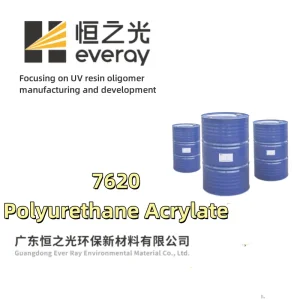
Wholesale 7620 UV-curing Resin
Wholesale 7620 UV-curing Resin applied in UV vacuum electroplating Factory, Products
Inquire Bulk Quote
Wholesale Polyurethane Acrylate Resin for Nail Gel
Wholesale Low Shrinkage High Flexibility UV Curing Polyurethane Acrylate Resin for Nail Gel, Leather and Wood Manufacturer, Products
Inquire Bulk Quote
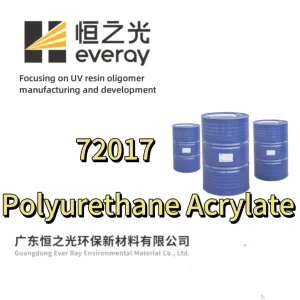
Buy 72017 Photo-Thermal Dual-Curing Polyurethane Acrylate Resin
Buy 72017 Photo-Thermal Dual-Curing Polyurethane Acrylate Resin | Low Shrinkage & High Toughness Oligomer for 3D Printing Factories, Product
Inquire Bulk Quote
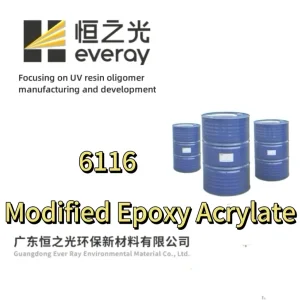
High-Quality 6116 Low Viscosity UV Curing Epoxy Oligomer
High-Quality 6116 Low Viscosity UV Curing Epoxy Oligomer, High Flexibility Acrylic Resin for Matte Wood & Ink Coatings Supplier, Products
Inquire Bulk Quote
Wholesale 53036 Polyester Acrylate UV resin
Wholesale 53036 Polyester Acrylate UV resin: very suitable for use in excimer lasers, providing excellent skin feel Supplier, Factories
Inquire Bulk Quote
Wholesale Aromatic PA UV-resin 7160
Wholesale Aromatic PA UV-resin 7160 for plastic-coatings, wood and UV-inks Factories, Product
Inquire Bulk Quote

1. Strategic Sourcing Architecture: Why Global Brands Buy Directly from Primary UV Resin Factories

When enterprise buyers search to "Buy Nail Polish Factory" or secure industrial-scale gel polish resin manufacturing lines, they are not merely seeking finished consumer bottles. Modern cosmetic procurement directors, brand owners, and OEM chemical formulators require direct access to primary synthesis factories capable of producing high-purity polyurethane acrylates, epoxy oligomers, and customized UV-curable prepolymers.

The global nail care industry has undergone a fundamental chemical shift. Traditional solvent-based nitrocellulose lacquers are increasingly replaced by high-performance LED/UV gel systems. This transformation demands strict chemical traceability, batch-to-batch polymer consistency, and rigorous toxicology screening. By bypassing intermediary traders and partnering directly with specialized chemical synthesis bases—such as Guangdong Ever Ray Environmental Material Co., Ltd.—procurement teams gain direct control over molecular weight distributions, double-bond conversion rates, and thermal exotherm profiles.

40,000+
m² Production Base
10+
Automated Reaction Lines
100%
REACH & FDA Traceability
< 0.5%
Polymerization Shrinkage Option

Information Gain: Eliminating Supply Chain Friction in UV Polymer Procurement

Traditional chemical trading channels often introduce significant risks for nail polish manufacturers, including batch color variations (yellowing), unreacted monomer residues, unpredictable viscosity swings, and compliance blind spots. Direct chemical factory integration offers four fundamental advantages:

  • Custom Rheological Engineering: Tailoring Brookfield viscosity from 500 mPa.s for thin base coats up to 50,000 mPa.s for thixotropic builder gels and gel-paints.
  • Exotherm & Sensitization Control: Formulating with low-heat polyurethane acrylate oligomers that prevent consumer nail-bed burning during 365nm/395nm LED lamp curing.
  • Zero-HEMA & Low-Allergen Chemistry: Synthesizing alternative monomer systems (e.g., HPMA-free, Isobornyl Acrylate modifications) to meet strict EU consumer safety mandates.
  • Direct OEM Scale Integration: Seamlessly transitioning from 1kg lab sample trials to 200kg steel drums and 1000kg IBC tote shipments without altering chemical formulation kinetics.

2. The China Chemical Manufacturing Advantage: Infrastructure & Raw Material Integration

China's Pearl River Delta chemical cluster—specifically Guangdong Province—represents the world's most robust manufacturing hub for UV-curable materials. Sourcing directly from an established Guangdong chemical factory gives international buyers access to an integrated ecosystem spanning raw monomer production, specialized photoinitiator blending, advanced esterification reactors, and export packaging infrastructure.

Vertical Chemical Synthesis

Direct synthesis from basic polyols, isocyanates, and acrylic acid into refined aliphatic polyurethane acrylates ensures full cost control and batch-to-batch chemical purity.

Multi-Stage Quality Control

Every batch undergoes Automated Viscometric Profiling, Gel Permeation Chromatography (GPC) for molecular weight verification, and High-Performance Liquid Chromatography (HPLC) residual testing.

Rapid Scalability & Lead Times

With multiple multi-ton reactor vessels operating in parallel, production lead times for standard oligomers are maintained within 7 to 10 working days, backed by extensive safety stock.

Factory Infrastructure Spotlight: Yunfu Production Base & Jiangmen HQ

Spanning over 40,000 square meters in Dawan Industrial Park, Yunfu, Guangdong, EVER RAY operates state-of-the-art chemical manufacturing facilities equipped with automated temperature-controlled reaction kettles, closed-loop distillation systems, and explosion-proof nitrogen-purged filling lines. Combined with our Jiangmen commercial headquarters, we provide a unified structure for international trade logistics, technical support, and ongoing R&D cooperation.

3. Global Compliance & Localization Architecture for Cosmetic Nail Gel Systems

Navigating the complex global regulatory landscape is a critical requirement when buying raw materials or establishing factory-direct supply contracts for nail polish and UV gels. Regions such as the European Union, North America, Japan, and the Middle East enforce stringent chemical safety mandates that directly impact formulation design.

EU Cosmetic Regulation (EC No 1223/2009) & CPSR

All nail gel oligomers must support full Cosmetic Product Safety Reports (CPSR). Formulations must comply with restrictions on monomeric impurities, heavy metals, and forbidden photoinitiators (such as TPO reclassification under EU Annex VI).

  • TPO-Free Photoinitiator Matching
  • Heavy Metal Testing < 2 ppm
  • Full REACH Registration Compliance

US FDA MoCRA & VCRP Alignment

Under the Modernization of Cosmetics Regulation Act (MoCRA), facility registration, adverse event reporting, and safety substantiation are mandatory. Raw material suppliers must provide transparent Safety Data Sheets (SDS) adhering to 16-section GHS standards.

  • GHS & OSHA SDS Protocols
  • FDA Ingredient Listing Support
  • Benzene & Volatile Solvent Non-Detect

Hypoallergenic & Clean Beauty Standards

Modern nail salons and retail consumers demand "10-Free", "21-Free", and HEMA-free formulations to minimize contact dermatitis and respiratory sensitization risks among professional nail technicians.

  • HEMA / HPMA / TMA Free Oligomers
  • Low-Odor Waterborne UV Dispersions
  • Vegan & Cruelty-Free Synthetic Pathways

4. Enterprise Procurement Models: OEM, ODM, & Custom Polymer Synthesis

Different enterprise procurement channels require tailored sourcing strategies. Whether you are a multinational nail cosmetics brand, a private-label manufacturer, or an industrial adhesive blender, understanding factory custom synthesis capabilities ensures optimal operational efficiency.

Model 01

Bulk Oligomer Supply

Supply of pure 100% active oligomers (Aliphatic Polyurethane Acrylates, Epoxy Acrylates) in 200kg drums for formulators with in-house mixing and tinting capacity.

Model 02

Pre-Formulated Gel Bases

Ready-to-tint clear base gels, high-gloss non-wipe top coats, and rubber base oligomers that only require pigment dispersion and final bottle filling.

Model 03

Custom Molecular Design

Bespoke synthesis adjusting polymer functionality, backbones (polyether vs. polyester vs. polycarbonate), and refractive indices to achieve specific gloss or flexibility targets.

Model 04

Turnkey OEM Packaging

Comprehensive manufacturing from resin synthesis to color matching, bulk drum shipment, or fully certified export-ready containerized freight.

5. Industry Trends (2025–2030): Next-Generation Nail Polymer Chemistry

Staying ahead of regulatory updates and technological innovations in light-curing chemical materials.

Bio-Based UV Resins

Transitioning from petroleum-derived polyols to plant-based acrylate precursors (soybean, castor oil, and pine resin derivatives) to reduce carbon footprint while maintaining high scratch resistance.

Dual-Cure & LED Low-Energy Systems

Developing hybrid photo-thermal and low-wavelength (395-405nm LED) curing resins that eliminate sticky oxygen inhibition layers without requiring high-energy UV-A lamps.

Waterborne UV PUD Technology

Zero-VOC waterborne polyurethane acrylate dispersions (PUD) allowing solvent-free, peelable, and ultra-low odor nail polish lines for home DIY and child-safe cosmetic segments.

6. Application Matrix: Matching Resin Chemistry to Nail Gel Formulations

Explore technical specs and polymer selection criteria across diverse professional nail coating applications.

Salon Base Coat

Rubber Base Gels & Primers

Requires high flexibility, low shrinkage, and extreme bonding to natural keratin. Formulated using specialized modified epoxy acrylates and flexible aliphatic urethane oligomers.

  • Elongation at Break: > 120%
  • Crosslink Density: Balanced
  • Key Feature: Acid-free adhesion
High-Gloss Top Coat

Non-Wipe Shine Finishes

Demands rapid surface curing to overcome oxygen inhibition, along with high pencil hardness (3H–4H) and stain resistance against household chemicals and dyes.

  • Cure Speed: < 30s under 365+395nm LED
  • Gloss Level: > 95 GU at 60°
  • Key Feature: Anti-yellowing aliphatic chain
Builder & Extension Gel

Thixotropic Structural Gels

Requires thick viscosity, zero slumping during application, high tensile strength, and ultra-low exotherm during LED curing to ensure client comfort.

  • Viscosity: 30,000–60,000 mPa.s
  • Thermal Peak: < 42°C exotherm
  • Key Feature: Structural impact resistance
Factory Direct Portfolio

Specialty UV Prepolymers, Inks, & Coating Resins

High-performance industrial grades designed for vacuum electroplating, 3D printing photopolymers, flexible leather finishes, and high-adhesion primers.
Buy Durable 6118 Epoxy Acrylate UV Resin
Buy Durable 6118 Epoxy Acrylate UV Resin: Ideal for UV wood, plastic and ink applications Supplier, Product
Inquire Bulk Quote
High-Quality 6805A-1 UV-resin in UV Offset Printing
High-Quality 6805A-1 UV-resin in UV Offset Printing Suppliers, Product
Inquire Bulk Quote
Wholesale 5450 UV resin for UV coating
Wholesale 5450 UV resin for UV coating, paper varnish, screen creeping Factories, Products
Inquire Bulk Quote
Wholesale Strong adhesion acrylate oligomer 1100UV resin
Wholesale Strong adhesion acrylate oligomer 1100UV resin, suitable for UV coatings and inks Manufacturer, Factory
Inquire Bulk Quote
Buy 7901B UV-resin for industrial coatings
Buy 7901B UV-resin for industrial coatings Manufacturers, Factories
Inquire Bulk Quote
Buy 1762 UV resin as adhesive
Buy 1762 UV resin as adhesive: durable and anti-yellowing, high bonding strength Manufacturers, Suppliers
Inquire Bulk Quote
High-Quality 7411B UV Resin
High-Quality 7411B UV Resin: Ideal low viscosity, high solids solution for matte UV applications Supplier, Suppliers
Inquire Bulk Quote
Buy Polyester Acrylate 5377A
Buy Polyester Acrylate 5377A – The Ideal Choice for Flexographic UV Inks Manufacturer, Factories
Inquire Bulk Quote

7. Frequently Asked Questions (FAQ) for B2B Chemical Buyers & Formulators

Technical, commercial, and regulatory guidance for purchasing directors and laboratory heads.

Q1: What is the primary chemical difference between Aliphatic and Aromatic Polyurethane Acrylates in nail gels?
Aliphatic polyurethane acrylates are synthesized using aliphatic isocyanates (such as IPDI or HDI), providing superior non-yellowing characteristics, exceptional outdoor durability, high flexibility, and excellent skin compatibility required for cosmetic nail gels. Aromatic polyurethane acrylates (based on TDI or MDI) offer higher hardness and faster cure speeds at lower cost, but are prone to yellowing under light exposure, making them suitable for industrial wood or floor coatings rather than clear gel polish top coats.
Q2: How does your factory handle low-heat (exotherm control) requirements for builder gels?
We engineer specific low-exotherm oligomers by optimizing polymer molecular weight distribution and reducing free radical polymerization speeds. By incorporating flexible soft segments (such as specialty polyether or polyester polyols) into the polyurethane backbone, the thermal spike during curing under 365nm/395nm LED lamps is maintained below 40°C–42°C, preventing burning sensations on natural nail beds.
Q3: Can EVER RAY supply HEMA-Free and TPO-Free custom formulations?
Yes. In response to recent European Commission cosmetic regulations reclassifying TPO photoinitiators and placing stricter safety scrutiny on HEMA/HPMA monomers, our R&D team has developed an extensive lineup of HEMA-Free oligomers and pre-blended resin bases. We utilize alternative photoinitiators like TPO-L alternatives or Bis-acylphosphine oxides combined with proprietary acrylate monomers to ensure full EU compliance without compromising cure speed.
Q4: What is the Minimum Order Quantity (MOQ) and sample evaluation process for export?
For laboratory evaluation, we provide 500g to 1kg sample bottles complete with Technical Data Sheets (TDS), Safety Data Sheets (SDS), and Certificates of Analysis (COA). Standard commercial MOQ starts at 200kg (one full steel drum) per grade. For custom synthesis projects, MOQ is determined based on reactor capacity, typically starting at 1 to 3 metric tons per batch.
Q5: How are dangerous goods (DG) class regulations managed during ocean shipping?
Most of our neat acrylate oligomers are classified as non-hazardous for transport under ocean freight regulations (IMDG code). However, for pre-blended formulations containing volatile reactive diluents or active monomers, our logistics division arranges certified UN-approved packaging, hazardous cargo declaration, and UN-rated drums to guarantee smooth customs clearance at major global ports.
Q6: What quality control protocols ensure batch-to-batch consistency?
Every production batch undergoes five mandatory analytical tests prior to release: Brookfield rotational viscometry (at specified temperatures), Gardner color index measurements, acid value titration, refractive index testing, and FTIR spectral overlay matching against master laboratory standards to ensure identical polymer structures in every drum.
Q7: Can your factory support private-label OEM nail polish bottle manufacturing?
While our primary core competency is chemical synthesis of raw resins and bulk gel bases, we partner directly with certified GMPC / ISO 22716 contract bottling facilities in Guangdong to offer complete turnkey OEM/ODM solutions, including color matching, silk-screening, custom bottle filling, and regulatory dossier preparation for global cosmetic brands.