Global B2B Industrial Materials & Technical Chemical Solutions

Buy Offset Printing Suppliers & Product

Featured Portfolio I

High-Performance UV Resins & Oligomers for Offset Printing & Packaging

Discover engineered acrylate oligomers offering optimized lithographic water-ink balance, low shrinkage, superior curing velocity, and robust pigment wetability.
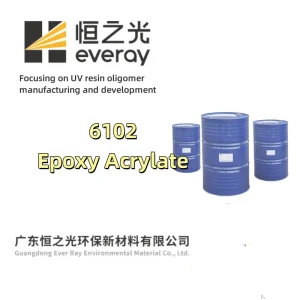
Buy 6102 UV Resin
Epoxy Acrylate
Buy 6102 UV Resin: Enhanced low shrinkage epoxy acrylate, perfect for UV wood coatings
View Product Details
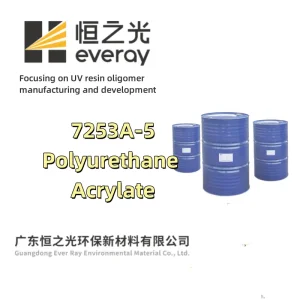
High-Quality 7253A-5 UV Resin
Multifunctional Resin
High-Quality Multifunctional 7253A-5 UV resin: heat-resistant, cold-resistant for adhesives
View Product Details
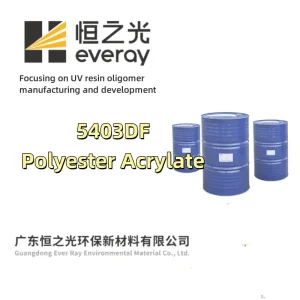
High-Quality 5403DF Polyester Acrylic
Polyester Acrylic
High-Quality 5403DF: Ideal polyester acrylic UV resin for UV and flexographic printing
View Product Details
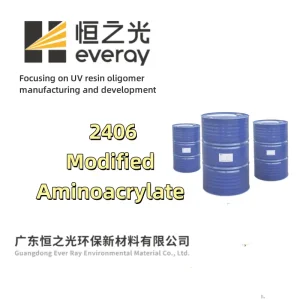
Buy 2406 UV Resin
Low Odor Varnish
Buy 2406 UV Resin: Low Odor Solution for Rapid Paper and Plastic Varnishes
View Product Details
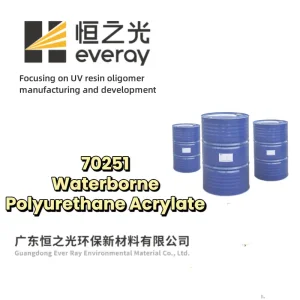
Waterborne 70251 UV Resin
Waterborne System
Buy Waterborne 70251 UV-resin for 3D Printing, UV-ink and Wood Coatings
View Product Details
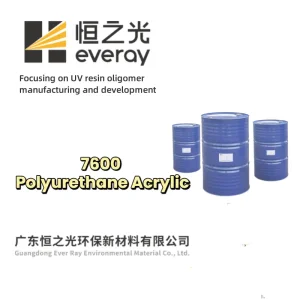
7600 Polyurethane Acrylate
Polyurethane Acrylate
High-Quality Multifunctional 7600 polyurethane acrylate oligomer for UV inks
View Product Details
5335B UV Resin
Offset Ink Specialty
Wholesale 5335B UV-resin in UV color inks, varnishes, and offset inks
View Product Details
6271 Modified Epoxy Acrylate
Yellowing Resistant
Wholesale High Abrasion & Yellowing Resistance Modified Epoxy Acrylate 6271
View Product Details
Technical Whitepaper Depth

The Macro Evolution of UV Offset Printing: Polymer Chemistry & Market Dynamics

An exhaustive industrial analysis on procuring UV-curable offset printing consumables, raw materials, and specialized resin systems for modern high-speed printing presses.

18,000+
Imp/Hr Press Speeds
40,000 m²
Synthetic Facility Base
< 0.5%
Low Shrinkage Index
10+
Invention Patents

Lithographic Rheology Control

Offset lithography relies on a delicate balance between fountain solution and ink chemistry. Modern UV-curable offset inks require precise viscoelastic control. Oligomers such as polyester acrylates (e.g., 5332F, 5403DF) provide superior ink-water balance, preventing emulsification and misting under high shear forces exceeding 15,000 impressions per hour.

Fast Photo-Curing Kinetics

Energy-curable systems utilize high-functionality epoxy acrylates and polyurethane acrylates to achieve near-instantaneous crosslinking under mercury arc or LED-UV lamps (365nm–395nm). Selecting suppliers with rigorous batch-to-batch double-bond conversion monitoring guarantees immediate post-press convertibility and stacking without set-off issues.

Substrate Adhesion Engineering

Non-porous packaging substrates like PET, PVC, metallized paperboard, and synthetic films present severe adhesion challenges due to high surface tension requirements. Utilizing modified epoxy acrylates (e.g., 6271, 67283) and pure acrylate oligomers ensures minimum polymer shrinkage stress and exceptional cross-hatch adhesion scores (5B rating).

Sourcing & Procurement Decision Matrix

Evaluating Offset Printing Chemical Suppliers & Technical Grade Selections

Chemical buyers, formula engineers, and procurement directors must balance rheological performance, regulatory compliance, supply chain predictability, and unit cost structure.

Oligomer Chemical Class Key Performance Indicators Target Offset Application Pigment Compatibility Viscosity Range (mPa.s / 25°C)
Polyester Acrylate (e.g., 5332F, 5403DF) High pigment wetting, low tack building, superb lithographic water balance UV Offset Printing Inks, Packaging Overprint Varnishes Excellent (Organic & Inorganic) 15,000 – 45,000
Modified Epoxy Acrylate (e.g., 5335B, 6300) Rapid cure speed, high surface hardness, gloss enhancement, cost efficiency Color Offset Inks, Paper Coatings, Rigid Plastics Good to Very Good 20,000 – 80,000
Polyurethane Acrylate (PUA) (e.g., 7600) High flexibility, scratch resistance, chemical barrier, non-yellowing option Luxury Packaging, Plastic Metalized Inks, 3C Electronic Inks Excellent 10,000 – 60,000
Waterborne UV Resin (e.g., 70251) Zero-VOC dilution, low viscosity without reactive monomers, easy cleanup Eco-friendly Inks, Wood Finishing, Screen & Flexo Hybrid Very Good 300 – 2,500
Dual-Curing Resins (e.g., 72017) Shadow area curing, ultra-low shrinkage, superior thermal stability 3D Photopolymer Printing, High-end Specialty Inks Specialty Formulations 1,000 – 8,000

Procurement Risk Mitigation

Sourcing offset chemical precursors directly from synthesis manufacturers like Guangdong Ever Ray Environmental Material Co., Ltd. eliminates distributor markups and guarantees stringent lot-to-lot consistency backed by Certificate of Analysis (COA) compliance, Gas Chromatography (GC), and Gel Permeation Chromatography (GPC) testing.

Regulatory Compliance Safeguards

International offset printing formulations demand adherence to global regulatory frameworks, including EU REACH registration, Heavy Metal Standard EN71-3, RoHS, Nestlé Guidance Note on Packaging Inks, and low migration criteria for indirect food contact materials.

Formulation Science

Solving Critical Offset Printing Challenges through Polymer Chemical Design

Deep technical insights for ink formulators seeking to eliminate dot gain, emulsification, oxygen inhibition, and substrate delamination.

1. Water-Ink Balance & Emulsification Prevention

In offset lithography, ink comes into continuous contact with dampening solutions. Excessive water absorption causes ink softening, scumming, and loss of color density. Polyester acrylates synthesized with hydrophobically modified backbones (5332F) limit water pickup to an optimal range of 10%–18%, maintaining sharp halftone dots and robust hydrodynamic rheology under high shearing speeds.

2. Overcoming Surface Oxygen Inhibition

Atmospheric oxygen acts as a radical scavenger during photopolymerization, leading to tacky surface coats or incomplete cure on thin-film offset overprint varnishes. Formulators leverage amino acrylate synergists or modified epoxy acrylates like 6300 and 2406 to consume dissolved oxygen molecules rapidly, ensuring dry-to-touch surface hardness at lower UV dosage intensity.

3. Pigment Dispersion & Flow Behavior

Offset inks require high pigment loadings (often 15%–25% organic pigments). High molecular weight resins without targeted functional anchor groups result in high yield stress and poor flow on the ink fountain rollers. Specialized polyester acrylates (5218, 5403DF) feature tailored polar functional groups that anchor tightly to pigment surfaces, reducing viscosity and preventing pigment flocculation during storage.

Future Technology Roadmap

Next-Generation Trends in Energy-Curable Offset & Industrial Packaging Materials

How ongoing technological innovations, environmental mandates, and LED-UV adoption are transforming industrial printing consumables.

LED-UV Spectrum Optimization

Traditional mercury vapor lamps emitting wide UV spectrums are rapidly being replaced by energy-efficient 365nm, 385nm, and 395nm LED-UV systems. Future oligomer synthesis focuses on maximizing absorption coefficients in longer UV wavelengths, enabling deep through-cure in heavily pigmented black and white offset inks with reduced energy consumption.

Bio-Based Sustainable Acrylates

Driven by global carbon reduction goals, the industry is transitioning toward renewable carbon content. Incorporating bio-derived polyols, plant-oil based fatty acids, and natural building blocks into polyester and epoxy acrylate backbones reduces reliance on fossil-based feedstocks while preserving high reactivity and chemical resistance.

Ultra-Low Migration Materials

Food and pharmaceutical packaging requires strict compliance with migration limits. Advanced oligomers engineered with high molecular weights (>3,000 g/mol) and elevated acrylate functionality eliminate unreacted monomer residuals, guaranteeing safety under stringent migration testing standards for primary food contact.

Featured Portfolio II

Specialized UV Solutions: Modified Epoxy, Polyester & Specialty Acrylates

Explore additional high-grade chemical building blocks tailored for offset inks, vacuum plating primers, wood topcoats, and specialty digital materials.
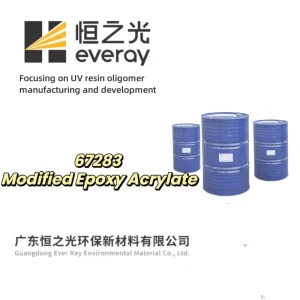
Wholesale 67283 UV Resin
Modified Epoxy
Wholesale 67283: Rapid-setting yellowing-resistant modified epoxy acrylate solution
View Product Details
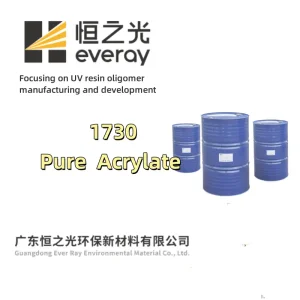
Buy 1730 UV Resin
Vacuum Plating
Buy Fast curing and strong adhesion 1730 UV resin suitable for vacuum plating
View Product Details
Aromatic PA 7160
Aromatic Polyurethane
Wholesale Aromatic PA UV-resin 7160 for plastic-coatings, wood and UV-inks
View Product Details
High-Quality 5218 Polyester Acrylate
Polyester Acrylate
High-Quality 5218 Polyester Acrylate UV Resin: Excellent Adhesion & Pigment Compatibility
View Product Details
Buy 6300 Modified Epoxy Acrylate
Low Viscosity Epoxy
Buy Low viscosity 6300 modified epoxy acrylate UV resin for UV paper varnish
View Product Details
9105M-80 Bisphenol A Resin
Bisphenol A Epoxy
Wholesale Bisphenol A Epoxy Acrylate Resin 9105M-80: Core Resin for Durable Coatings
View Product Details
5332F Polyester Acrylate
Offset Ink Benchmark
High-Quality Polyester Acrylate 5332F – The Premium Choice for Offset Inks
View Product Details
72017 Photo-Thermal Dual Curing
Dual Curing System
Buy 72017 Photo-Thermal Dual-Curing Polyurethane Acrylate Resin for 3D Printing
View Product Details
Technical Q&A / FAQ

Frequently Asked Questions by Industrial Offset Buyers & Formulators

Expert answers addressing critical inquiries regarding raw material selection, rheology control, regulatory compliance, and bulk purchasing logistics.

Q1: What are the primary differences between polyester acrylates and epoxy acrylates in UV offset ink formulations?
Polyester acrylates (such as 5332F and 5403DF) are uniquely engineered to provide optimal lithographic water-ink balance, low tack, and exceptional pigment wetting. They are essential for preventing emulsification on press rollers. In contrast, epoxy acrylates (such as 5335B and 9105M-80) deliver rapid reactivity, exceptional surface hardness, high tensile strength, and gloss. Typically, offset ink formulators blend both oligomer classes to achieve a harmony of lithographic runnability, fast cure speed, and mechanical durability.
Q2: How do your UV offset resins maintain ink-water balance under high-speed printing conditions?
Our specialized polyester acrylate series features controlled hydrophilic-lipophilic balance (HLB) values. During continuous offset press operations reaching 15,000–18,000 sheets per hour, the resin structure regulates the uptake of acid fountain solutions to between 10% and 18%. This prevents water pickup overload, avoiding issues like ink misting, scumming, line blinding, or dot gain expansion.
Q3: Can your modified epoxy acrylates solve yellowing issues on light-colored or white packaging printing?
Yes. Standard bisphenol-A epoxy acrylates can exhibit yellowing over time under UV exposure or thermal post-curing due to aromatic ether linkages. Our non-yellowing modified epoxy acrylates, such as 6271 and 67283, utilize aliphatic modifications and photo-stabilized backbones that mitigate yellowing index (YI) drift while retaining the fast curing velocity and high hardness typical of traditional epoxy acrylates.
Q4: Are your offset printing UV resins compliant with food packaging rules like Nestlé Guidance and EU REACH?
Guangdong Ever Ray Environmental Material Co., Ltd. manufactures raw materials under ISO9001/14001 certified environments. We provide designated low-migration resins specifically designed for indirect food contact packaging. These products comply with EU REACH registration guidelines, heavy metal restrictions (EN71-3, RoHS), and align with Nestlé Guidance Note criteria by ensuring low residual monomer levels and non-detectable odor transfer post-cure.
Q5: What is the recommended storage stability and shelf-life for high-viscosity offset UV resins?
When stored in original sealed steel drums protected from direct sunlight, UV exposure, and ambient temperatures below 30°C (86°F), our UV acrylate oligomers maintain a minimum shelf life of 12 months. All products are stabilized with optimal inhibitor packages (such as MEHQ) to prevent premature gelation without impeding downstream photopolymerization speed.
Q6: How can ink manufacturers obtain custom modifications for viscosity or tack parameters?
Our in-house R&D team, backed by over 10 synthesis patents and dedicated application testing laboratories, works directly with formulators. We can adjust molecular weight distribution, acrylate functionality, monomer diluent ratios, or viscosity profiles to match your specific press speed, lamp system (LED-UV vs. Mercury), and target substrate characteristics.