INDUSTRIAL WHITEPAPER & PROCUREMENT GUIDE

Buy Polymer Urethane Suppliers & Factory Direct Selection

A Technical Evaluation of Polyurethane Acrylate (PUA) Oligomers, Chinese Manufacturing Scaling Efficiency, and Global Formulator Supply Chain Integration.

TOP-PERFORMING OLIGOMERS

Featured Polymer Urethane & Acrylate Formulations (Batch 1)

Factory-direct synthesized UV/EB curable resins designed for rapid curing, high abrasion resistance, superior optical clarity, and low VOC compliance.
Wholesale Polyester Acrylate 5501

Wholesale Polyester Acrylate 5501 — A Core Resin for LED-UV Wood Coating Systems Suppliers, Product

View Specifications
Polycarbonate Acrylate 72203A

Wholesale Polycarbonate Acrylate 72203A – Fast Curing UV Resin for Soft Touch Coatings, Clear Coats & UV Inks Supplier, Suppliers

View Specifications
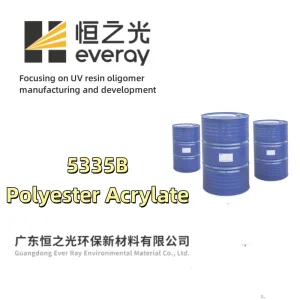
5335B UV Resin

Wholesale 5335B UV-resin in UV color inks, varnishes, and offset inks Manufacturer, Manufacturers

View Specifications
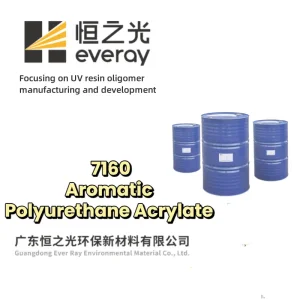
Aromatic PA UV Resin 7160

Wholesale Aromatic PA UV-resin 7160 for plastic-coatings, wood and UV-inks Factories, Product

View Specifications
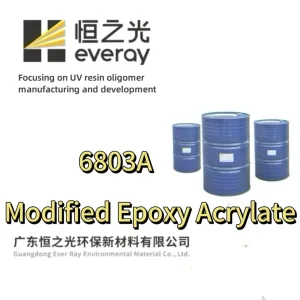
6803A Modified Epoxy Acrylate Resin

Wholesale 6803A Modified Epoxy Acrylate Resin High Gloss Fast Curing Oligomer for UV Ink Varnish & Plastic Coating Manufacturers, Product

View Specifications
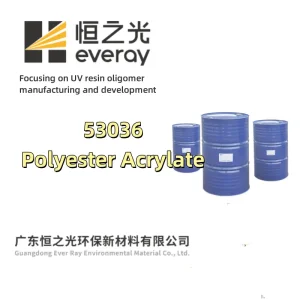
53036 Polyester Acrylate UV Resin

Wholesale 53036 Polyester Acrylate UV resin: very suitable for use in excimer lasers, providing excellent skin feel Supplier, Factories

View Specifications
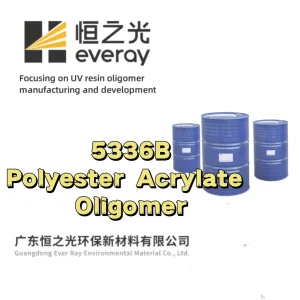
5336B Polyester Acrylate Resin

Buy 5336B High-Performance Polyester Acrylate Resin | Ultra-Fast Cure for UV Offset & Flexo Inks Suppliers, Product

View Specifications
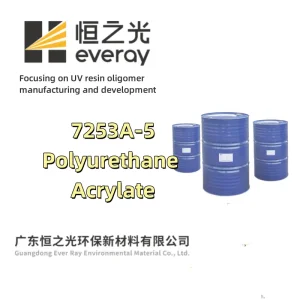
Multifunctional 7253A-5 UV Resin

High-Quality Multifunctional 7253A-5 UV resin: heat-resistant, cold-resistant, suitable for various adhesives Manufacturers, Factory

View Specifications
SECTION 01 // GLOBAL MARKET DYNAMICS

The Commercial & Industrial Status of Polymer Urethane Oligomers

Polymer Urethane, specifically recognized in the ultraviolet (UV) and electron beam (EB) chemical industry as Polyurethane Acrylate (PUA) oligomers, represents the backbone of modern high-performance surface modification, structural adhesives, graphic arts, and additive manufacturing photopolymers. Chemically synthesized by reacting polyisocyanates (such as IPDI, HDI, TDI, or MDI) with polyols (polyester, polyether, or polycarbonate) and capping them with hydroxyalkyl acrylates (such as HEA or HPA), polymer urethanes combine the inherent toughness, abrasion resistance, and chemical durability of polyurethane with the ultra-fast radiation-curing kinetics of acrylates.

The global polymer urethane market is undergoing a seismic paradigm shift. Driven by worldwide environmental mandates targeting Volatile Organic Compounds (VOCs) and Hazardous Air Pollutants (HAPs), traditional thermal-cured, solvent-borne polyurethane systems are being rapidly replaced by 100% solids UV-curable oligomers and waterborne polyurethane acrylate dispersions (PUD-UV). Key purchasing hubs across North America, the European Union, and Asia-Pacific are demanding highly tailored PUA resins capable of fulfilling complex engineering metrics: high double-bond conversion rates under lower energy LED-UV exposure, optical clarity without yellowing, superior crosslink density, and low polymerization shrinkage.

7.8%
Global PUA Market CAGR (2024–2032)
>40,000 m²
Guangdong Manufacturing Facility Base
10+
Automated Reaction Kettle Lines
100%
Solids Content / Low VOC Compliance

Technical Classification: Aliphatic vs. Aromatic Polymer Urethane

Procurement teams must distinguish between two primary chemical classes when selecting a polymer urethane supplier:

  • Aliphatic Polyurethane Acrylates (APUA): Synthesized using aliphatic diisocyanates like IPDI (Isophorone Diisocyanate) or HDI (Hexamethylene Diisocyanate). APUA oligomers offer exceptional weatherability, outdoor QUV resistance, non-yellowing characteristics, high flexibility, and excellent adhesion to sensitive plastic substrates (PC, ABS, PMMA). They are indispensable for 3C electronics, automotive topcoats, and optical films.
  • Aromatic Polyurethane Acrylates (RPUA): Formulated with aromatic diisocyanates like TDI (Toluene Diisocyanate) or MDI (Methylene Diphenyl Diisocyanate). RPUA oligomers provide high modulus, rapid surface cure speeds, exceptional scratch resistance, and cost-efficient economics. They are widely specified for interior wood flooring, industrial varnishes, and offset printing inks where long-term UV sunlight exposure is minimal.
SECTION 02 // MANUFACTURING EXCELLENCE

China Factory Efficiency & Supply Chain Advantages for Polymer Urethane

When international enterprise buyers audit polymer urethane suppliers and factory partners, China’s industrial ecosystem presents unmatched advantages in terms of supply chain integration, raw material availability, operational throughput, and continuous R&D innovation. Guangdong Ever Ray Environmental Material Co., Ltd. serves as a prime representative of modern Chinese advanced chemical manufacturing.

Upstream Integration

Direct proximity to domestic petrochemical refining and acrylic monomer manufacturing (AA, HEA, HPA, TMPTA) eliminates logistical bottlenecks, shielding global formulators from severe raw material price volatility.

Agile R&D Customization

Equipped with 10+ invention and utility patents, our in-house lab customizes molecular weight distribution (Mw/Mn), acrylate functionality (from 2-functional to hyperbranched 6+-functional), and viscosity parameters within 5-7 business days.

Rigorous QC & SOPs

Every industrial production batch undergoes strict quality assurance protocols: Gel Permeation Chromatography (GPC), Fourier Transform Infrared Spectroscopy (FTIR) for free NCO checking, and rotational viscometer testing to guarantee zero lot-to-lot variance.

Scale Economies

Operating a 40,000+ m² modernized plant in Dawan Industrial Park, Yunfu, Guangdong, allows bulk synthesis in multi-ton reactors, providing direct factory prices without intermediary markups.

Industrial Performance Matrix: Polymer Urethane vs Alternative UV Oligomers

Oligomer Chemistry Tensile Strength & Toughness Flexibility & Elongation Yellowing Resistance Adhesion to Difficult Plastics Cure Speed
Aliphatic Polyurethane Acrylate (APUA) Exceptional (High Impact) Very High (up to 200%) Superior (Delta E < 1.0) Excellent (PC, ABS, PET, PMMA) Fast to Moderate
Aromatic Polyurethane Acrylate (RPUA) High Hardness / Rigid Moderate (10% - 40%) Fair (Slight yellowing) Good (PVC, Wood, Primed Metals) Ultra-Fast
Bisphenol A Epoxy Acrylate Very High / Brittle Low (< 5%) Poor (Prone to yellowing) Moderate (Requires monomers) Fastest
Polyester Acrylate Moderate Moderate to Flexible Good Good (Paper, Foils, Inks) Fast (Pigmented systems)
SECTION 03 // APPLICATIONS MATRIX

Localized Application Scenarios & Engineering Field Performance

Polymer urethanes are engineered to overcome specific physical and chemical stress factors across diverse manufacturing sectors. Below are key field implementation scenarios.

3C Consumer Electronics & Soft-Touch Coatings

Modern smartphone housings, laptop covers, and wearable devices demand extreme scratch resistance combined with tactile luxury. Aliphatic polyurethane acrylates modified with polycarbonate polyols provide velvet skin-feel properties, superior sweat resistance, and 4H pencil hardness without micro-cracking upon impact.

Automotive Interior Trim & Optical Components

Automotive display panels, instrument cluster lenses, and decorative trim elements require optical clarity and resistance to thermal shock (-40°C to +85°C cycling). Non-yellowing APUA resins maintain clarity while protecting plastic substrates against UV degradation and aggressive cleaning agents.

Flexible Packaging, Offset & Flexographic UV Inks

Polymer urethane oligomers with low viscosity and excellent pigment wetting ensure high color strength and rapid inline drying on high-speed flexo and offset presses. They deliver exceptional flex life and adhesion on corona-treated BOPP, PET, and PE films.

Architectural Wood Flooring, SPC & Luxury Vinyl Tile

High-traffic flooring requires extreme abrasion resistance (Taber abrasion standards). Formulating topcoats with multi-functional urethane acrylates ensures long-lasting defense against heel scuffs, household chemicals, and mechanical gouging.

Additive Manufacturing & SLA/DLP 3D Printing Resins

For engineering-grade 3D printed parts, standard acrylic resins are often too brittle. Polymer urethanes impart high toughness, dimensional accuracy, low shrinkage stress, and rubber-like elasticity, enabling functional prototyping and production-grade parts.

SECTION 04 // TECHNICAL INNOVATION TRENDS

Next-Generation Development Trends in Polymer Urethane Chemistry

Formulators and procurement officers must align their material roadmaps with emerging technological trends to remain competitive.

TREND 01

LED-UV (365nm / 395nm) Energy Curing Optimization

Transitioning from mercury vapor lamps to energy-efficient LED-UV curing systems requires polymer urethanes optimized for longer wavelength activation, overcoming oxygen inhibition without compromising surface cure dryness.

TREND 02

Waterborne UV Dispersions (PUD-UV)

Zero-VOC waterborne polyurethane acrylate dispersions allow formulators to spray coat complex 3D shapes without reactive diluent monomers, achieving ultra-thin films with soft-feel finishes on leather and plastics.

TREND 03

172nm Excimer Laser Curing Synergy

Achieving deep-matte finishes without matting agents (which increase coating viscosity) is now possible using specialized polymer urethanes designed for 172nm excimer laser surface micro-folding technology.

TREND 04

Bio-Based & Sustainable Carbon Synthesis

Incorporating bio-based polyols derived from castor oil, succinic acid, and plant-based sugars into the polymer urethane backbone reduces carbon footprints while meeting stringent ISCC PLUS sustainability criteria.

SECTION 05 // STRATEGIC PROCUREMENT GUIDE

How Enterprise Buyers Audit Polymer Urethane Suppliers & Factories

To lower total cost of ownership (TCO) and avoid production line downtime, procurement managers should apply a structured audit methodology when vetting polymer urethane suppliers.

1. Chemical Purity & Residual NCO Content

Unreacted free isocyanate (NCO) monomers present toxicological risks and storage instability. Verify via FTIR that residual NCO is below strict quality thresholds (< 0.1%).

2. Viscosity Stability & Shear Behavior

Polymer urethanes must exhibit predictable rheological profiles. Request temperature-viscosity curves (25°C to 60°C) to ensure consistency during high-speed roll or spray coating.

3. Conversion Energy Thresholds ($mJ/cm^2$)

Assess the exact UV dosage required to reach full surface cure (tack-free) and depth cure. Lower millijoule requirements translate directly to reduced factory power consumption.

4. Regulatory & Export Documentation

Ensure suppliers provide comprehensive Technical Data Sheets (TDS), Safety Data Sheets (SDS matching GHS standards), COA per drum batch, REACH registration, and RoHS compliance certificates.

SECTION 06 // TECHNICAL FAQ

Frequently Asked Questions for Polymer Urethane Procurement & Formulators

Direct answers to key technical questions encountered by formulators, chemical engineers, and international procurement specialists.

Q1: What is the primary difference between Polymer Urethane Acrylate and Epoxy Acrylate?
Polyurethane Acrylates (PUA) offer superior flexibility, impact resistance, non-yellowing capabilities (especially aliphatic grades), and substrate adhesion versatility. Epoxy Acrylates provide higher initial surface hardness, faster conversion speeds, and lower cost, but suffer from brittleness and significant yellowing under UV sunlight. Formulators often blend PUA and Epoxy Acrylate to balance cost and performance.
Q2: How can I reduce the high viscosity of pure Polymer Urethane oligomers during formulation?
High oligomer viscosity is typically reduced by introducing mono- or multi-functional reactive diluent monomers such as IBOA (Isobornyl Acrylate), TPGDA (Tripropylene Glycol Diacrylate), HDDA (1,6-Hexanediol Diacrylate), or TMPTA. Alternatively, our factory supplies pre-diluted versions (e.g., 80% oligomer in 20% monomer) to simplify customer mixing operations.
Q3: Which Polymer Urethane grades are recommended for excimer laser matting coatings?
Our specialized grade 53036 Polyester Polyurethane Acrylate resin is specifically engineered for 172nm excimer laser curing systems. It forms micro-wrinkled surface topologies upon short-wavelength UV irradiation, delivering deep matte effects (< 2 GU gloss level at 60°) with soft velvety skin-feel properties without silica matting agents.
Q4: What is the typical shelf life and recommended storage condition for PUA resins?
When stored in original unopened containers, away from direct sunlight, heat sources, and strong oxidizers at temperatures between 10°C and 30°C, polymer urethane oligomers maintain a shelf life of at least 12 months. Containers should be kept tightly sealed to prevent moisture ingress and dark conditions to prevent premature thermal polymerization.
Q5: Can Guangdong Ever Ray manufacture custom polymer urethane oligomers tailored to my application?
Yes. Our R&D application lab collaborates directly with client technical teams to synthesize custom oligomer backbones. We tune acrylate functionality (2 to 6-functional), modify the polyol chemistry (polyester, polyether, polycarbonate), adjust Tg (Glass Transition Temperature), and optimize refractive index according to your specific curing equipment and target substrate.
COMPLETE PRODUCT RANGE

Featured Polymer Urethane & Acrylate Formulations (Batch 2)

Explore specialized resin solutions optimized for glass primers, 3D photopolymers, high-water-resistance inks, and high-gloss clear coats.
17730A-2 Special Modified Acrylate Resin

Wholesale 17730A-2 Special Modified Acrylate Resin High Water Resistance & Leveling Anti-Yellowing for Glass UV Coating & Ink Manufacturer, Products

View Specifications
Epoxy Acrylate 92001

Buy A Versatile Solution for High-Efficiency Curing Applications: Epoxy Acrylate 92001 Manufacturers, Product

View Specifications
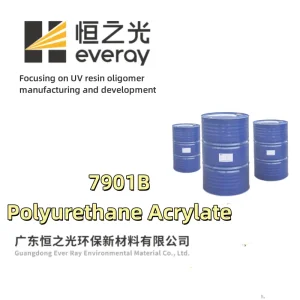
7901B UV Resin

Buy 7901B UV-resin for industrial coatings Manufacturers, Factories

View Specifications
5403DF Polyester Acrylic UV Resin

High-Quality 5403DF:Ideal polyester acrylic UV resin for UV and flexographic printing applications Supplier, Factories

View Specifications
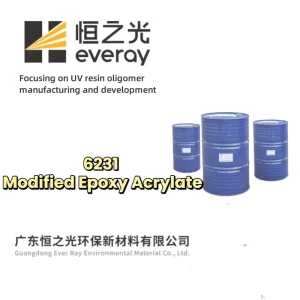
6231 Modified Epoxy Acrylate

High-Quality 6231:Curing modified epoxy acrylate with excellent leveling properties Supplier, Factories

View Specifications
Waterborne 70251 UV Resin

Buy Waterborne 70251 UV-resin for 3D Printing,UV-ink and UV Wood-coatings Manufacturer, Manufacturers

View Specifications
61003A UV Resin

Wholesale 61003A UV resin in UV plastic-film varnish and LED-UV Packaging Factory, Product

View Specifications
Fast Curing Modified Epoxy Acrylate 6231

Buy Fast Curing Modified Epoxy Acrylate Resin 6231 for High Gloss UV Coatings and Inks Supplier, Suppliers

View Specifications
FACTORY DIRECT SUPPLY & SAMPLE REQUEST

Partner with Guangdong Ever Ray Environmental Material Co., Ltd.

Access factory-direct pricing, custom oligomer synthesis, full TDS/SDS/COA documentation, and reliable global containerized shipping. Contact our chemical engineering team today to request evaluation samples for your coating, ink, or adhesive formulation.

Contact Application Engineers Download Technical Catalog