Buy Polyurethane And Epoxy Resin Manufacturer & Products

High-Performance Photopolymer Oligomers, Advanced UV/EB Formulation Syntheses, & Global Industrial Chemical Supply Chain Infrastructure

Featured UV Oligomer & Resin Portfolio

Engineered Acrylate Solutions for High-Performance Coatings, Inks, and Adhesives
Wholesale 72021E UV-resin for Multi-Substrate Bonding
Wholesale 72021E UV-resin for Multi-Substrate Bonding Manufacturers, Supplier
View Product Details
Wholesale 67283 Rapid-setting yellowing-resistant modified epoxy acrylate
Wholesale 67283:Rapid-setting yellowing-resistant modified epoxy acrylate solution Suppliers, Factories
View Product Details
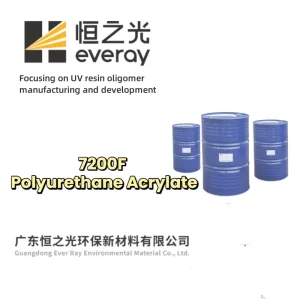
Wholesale Durable 7200F polyurethane acrylate
Wholesale Durable 7200F polyurethane acrylate: suitable for heat-resistant and cold-resistant UV coatings Suppliers, Products
View Product Details
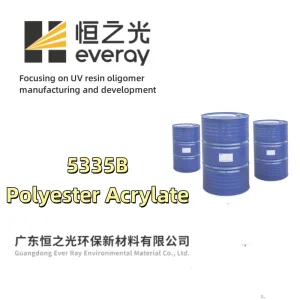
Wholesale 5335B UV-resin in UV color inks
Wholesale 5335B UV-resin in UV color inks, varnishes, and offset inks Manufacturer, Manufacturers
View Product Details
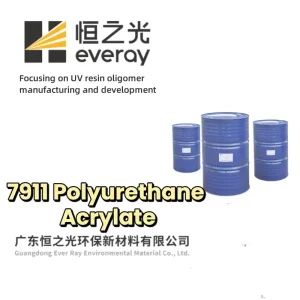
Buy Polyurethane Acrylate 7911
Buy Polyurethane Acrylate 7911 – The Ideal Choice for High-Performance UV Coatings! Supplier, Factories
View Product Details
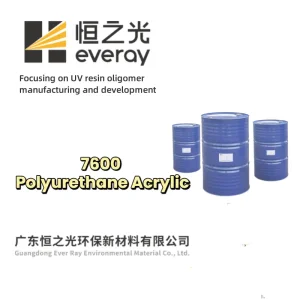
Multifunctional 7600 polyurethane acrylate oligomer
High-Quality Multifunctional 7600 polyurethane acrylate oligomer for UV coatings and inks Factory, Factories
View Product Details
Aromatic PA UV-resin 7162
Wholesale Aromatic PA UV-resin 7162 for Plastic Spray-coatings, wood-finishes and UV-inks Supplier, Products
View Product Details
Modified Epoxy Acrylate Resin 6271
Wholesale High Abrasion & Yellowing Resistance Modified Epoxy Acrylate Resin 6271 for UV Coatings & Adhesives Suppliers, Products
View Product Details

Global Polyurethane & Epoxy Resin Market Dynamics

Strategic Material Selection and Chemical Economics for B2B Chemical Buyers and Formulators

The global photopolymer market is undergoing an unprecedented shift toward ultra-fast radiation curing, zero-VOC emission profiles, and extreme physical durability. As industrial formulators transition away from solvent-based thermocured systems, selecting the appropriate oligomer chemistry—specifically Polyurethane Acrylates (PUA) and Epoxy Acrylates (EA)—becomes the fundamental factor determining crosslink density, substrate adhesion, thermal stability, and long-term weatherability.

Information Gain Insight: Modern UV curing formulations are no longer single-resin systems. Advanced chemical engineering relies on hybrid oligomer matrices where modified bisphenol-A epoxy acrylates deliver core tensile strength and cure speed, while aliphatic urethane acrylates contribute flexural recovery, impact resistance, and weather-defying non-yellowing characteristics.
40,000+
Sqm Production Base
10+
Automated Reaction Lines
10+
Invention Patents
<0.5%
Batch-to-Batch Delta

Comparative Performance Matrix: Polyurethane Acrylate vs. Epoxy Acrylate

Polymer Attribute Aliphatic Urethane Acrylate (PUA) Aromatic Urethane Acrylate (PUA) Bisphenol-A Epoxy Acrylate (EA) Modified Epoxy Acrylate
Cure Kinetics (Speed) Moderate to Fast Fast Ultra-Fast (<0.2 sec) Very Fast
Tensile Strength (MPa) 25 – 65 40 – 85 60 – 110 45 – 90
Elongation at Break (%) 15% – 250% 5% – 50% 1% – 5% 5% – 20%
Glass Transition Temp (Tg) 10°C – 80°C 40°C – 105°C 65°C – 120°C 45°C – 95°C
Yellowing Index (ΔYI) < 1.0 (Non-Yellowing) 3.0 – 8.0 (Yellowing) 5.0 – 15.0 (Yellowing) 1.5 – 4.0 (Resistant)
Substrate Adhesion PC, ABS, PET, PMMA, TPU Wood, PVC, Metals Paper, Glass, Metals, Wood Multi-Substrate, Glass, Treated Polyolefins
Primary Application 3C Electronics, Automotive Topcoats, Nail Gel Flooring, Industrial Wood, Inks Paper OPV, Fast Inks, Wood Sealers Specialty Adhesives, Electroplating Primers

Synthesis Chemistry & Technology Roadmap (2025–2030)

Precision Polymer Engineering and Molecular Design Strategies

Epoxy Acrylate Molecular Synthesis

Formed via the nucleophilic ring-opening reaction of bisphenol-A diglycidyl ether (BADGE) with acrylic acid under specialized tertiary amine catalysts. The addition of functional modifiers (such as fatty acids or silane coupling agents) reduces ester group stiffness, eliminating micro-brittleness while retaining rapid radical polymerization response under UV-LED spectra.

Urethane Acrylate Structural Engineering

Synthesized by reacting aliphatic (IPDI, HDI, H12MDI) or aromatic (TDI, MDI) diisocyanates with polyols (polyester, polyether, or polycarbonate diols), followed by capping with hydroxyl-functional acrylates (HEA, HPA). Functionality ($f=2$ to $f=6$) is dialed in to control hydrogen bonding density, providing elastomeric memory, abrasion shielding, and self-healing thermal responsiveness.

Hyperbranched & Dual-Cure Systems

Next-generation polymer architectures incorporate hyperbranched dendritic acrylates that decouple viscosity from molecular weight. These low-viscosity resins minimize reactive diluent (monomer) usage, reducing skin irritation (PII values) and volumetric shrinkage (<1.5%), ideal for semiconductor encapsulation, optical lenses, and additive manufacturing SLA/DLP resins.

Strategic Technology Roadmap: Photopolymer Evolution

Our R&D engineering center focuses on four critical technology pillars to address immediate and future industrial regulatory requirements:

PILLAR 01

Bio-Based Monomer Substitution

Integrating 30%–65% renewable plant-based polyols and bio-derived acrylic moieties without compromising Tg or hardness metrics.

PILLAR 02

395nm UV-LED Near-Surface Cure

Customizing oligomer double-bond reactivity to eliminate oxygen inhibition under energy-efficient 365nm/395nm UV-LED curing lamps.

PILLAR 03

Waterborne UV Dispersions (PUD)

Zero-VOC waterborne polyurethane acrylate dispersions providing solvent-free application for high-end wood and automotive interior leather.

PILLAR 04

Dual-Cure (Thermal/UV) Chemistry

Combining moisture/thermal polyaddition with radical UV crosslinking for shadow-zone curing in complex automotive and electronic assemblies.

Localized Application Scenarios & Industry Use-Cases

Field-Tested Performance Across Demanding Industrial Substrates

Consumer Electronics & 3C Housings

Substrates: PC, ABS, PMMA, Aluminum Alloy.

Formulation Challenge: High scratch resistance (steel wool 1000g @ 2000 cycles), fingerprint resistance, zero yellowing under sunlight UV.

Oligomer Solution: Aliphatic Polyurethane Acrylates (e.g., 7200F / 7911 Series) combined with hexafunctional acrylate monomers. Delivers 4H pencil hardness while maintaining flexural elasticity during drop tests.

High-Speed Offset & Flexo Printing Inks

Substrates: Coated Paperboard, PET Film, Foils.

Formulation Challenge: Ink-water balance, pigment wetting (carbon black/cyan), cure speeds exceeding 300 meters/min, low migration.

Oligomer Solution: Modified Epoxy Acrylates (e.g., 6805A-1 / 5335B Series) providing high polarity, low ink fly, rapid surface dryness, and gloss levels >90 GU at 60° angle.

Structural UV Adhesives & Bonding

Substrates: Glass-to-Metal, Glass-to-Acrylic, Medical TPU.

Formulation Challenge: High lap shear strength (>15 MPa), boil-water immersion resistance (100°C for 2 hours), minimal volumetric shrinkage stress.

Oligomer Solution: Multi-substrate bonding oligomers (e.g., 72021E / 17730A-2) equipped with carboxyl or silane anchor groups that form covalent interfaces with inorganic substrates.

China Supply Chain Resilience & Production Infrastructure

Unmatched Upstream Raw Material Integration and Automated Process Control

Sourcing photopolymer resins globally requires absolute certainty in raw material availability, batch consistency, and international chemical shipping compliance. Our production ecosystem in Guangdong, China leverages complete upstream vertical integration—from basic petro-refining feedstocks (Acrylic Acid, Epoxy Resins, Isocyanates IPDI/TDI) to specialized oligomer synthesis.

DCS Automated Polymerization

Fully computerized Distributed Control System (DCS) monitoring temperature (±0.5°C tolerance), exotherm control, viscosity buildup, and esterification kinetics in real-time, eliminating human error.

Scale Economies & Lead Time

Over 10 dedicated reaction vessels yielding a multi-thousand-ton annual capacity. Standard resin grades ship within 3–7 business days with stock reserves maintained for high-demand series.

Strict Quality Assurance (QA/QC)

Every batch undergoes Gel Permeation Chromatography (GPC) molecular weight distribution analysis, rotational viscometer check, color index testing (Gardner/APHA), and acid value titration before release.

Global Hazardous Shipping Standard

Full UN-certified steel drum, IBC tank, and ISO-tank packaging compliant with IMDG, IATA, and ADR dangerous goods regulations for seamless international customs clearance.

Regulatory Compliance & Global Support Network

Ensuring Environmental Responsibility and Seamless Technical Integration

Global Environmental Compliance

Our complete polyurethane and epoxy acrylate resin lines adhere to strict international chemical control frameworks:

  • EU REACH & UK REACH: Standardized substance registration and low SVHC (Substances of Very High Concern) content.
  • RoHS & Halogen-Free Directive: Zero heavy metal addition (Pb, Cd, Hg, Cr VI, PBB, PBDE).
  • TSCA & IECSC: Chemical substances listed on US and China chemical inventories.
  • Zero-VOC & Nestlé Guidance: Formulations optimized for food packaging inks conforming to Swiss Ordinance.

Custom Formulation & Synthesis Services

Off-the-shelf resins do not always fulfill niche process windows. Our technical team provides direct B2B OEM/ODM customization:

  • Viscosity Tuning: Adjusting monomer ratios to match spray, roller, screen, or flexo viscosity targets.
  • Refractive Index Matching: Tailoring RI values ($n_D = 1.48$ to $1.58$) for optical films and display bonding.
  • Specialty Functional Adhesion: Grafting hydrophobic or oleophobic chains for stain-resistant coatings.
  • Sample Delivery: Rapid 1kg – 5kg lab evaluation sample dispatch within 48 hours.

Frequently Asked Questions (Technical & Procurement FAQ)

Expert Guidance for Photopolymer Formulators and Sourcing Managers

How do I overcome oxygen inhibition in surface curing when using epoxy acrylates?
Oxygen inhibition occurs when atmospheric oxygen scavenges photo-generated free radicals, forming unreactive peroxy radicals and leaving a tacky surface layer. To overcome this: (1) Incorporate 5%–15% amino acrylate oligomer or active amine synergists (which react with peroxy radicals to regenerate active alkyl radicals); (2) Increase photoinitiator concentration or mix Type I (e.g., 184, TPO) with Type II (e.g., BP/ITX) initiators; (3) Utilize higher-functionality oligomers such as Multifunctional 7600 to boost radical density; or (4) Formulate under a nitrogen blanket or use LED-UV light sources with higher peak energy density.
What is the difference between aliphatic and aromatic polyurethane acrylate resins?
The core difference lies in the backbone isocyanate monomer structure. Aliphatic Polyurethane Acrylates use cycloaliphatic or linear aliphatic diisocyanates (such as IPDI, HDI, or H12MDI). They feature exceptional UV stability, non-yellowing behavior, high flexibility, and weatherability—making them essential for outdoor coatings, 3C electronic housings, automotive trim, and nail polish. Aromatic Polyurethane Acrylates utilize aromatic isocyanates (TDI, MDI). They exhibit faster cure speed, superior hardness, higher chemical resistance, and lower raw material cost, but will yellow under direct sunlight. They are widely specified for interior furniture finish, industrial wood primers, PVC flooring, and dark-colored inks.
How do modified epoxy acrylates differ from standard Bisphenol-A epoxy acrylates?
Standard Bisphenol-A epoxy acrylates offer rapid curing, maximum hardness, and excellent chemical resistance, but they suffer from high viscosity, high brittleness, and poor flexibility on plastic substrates. Modified Epoxy Acrylates (such as Grade 67283, 6271, or 6300) incorporate flexibilizing segments (such as fatty acids, polyester links, or polyether chains) or organosilicone modifiers into the epoxy backbone. This modification significantly reduces resin viscosity, improves substrate wetting, enhances yellowing resistance, and boosts impact strength while retaining strong adhesion to challenging surfaces like treated plastics and metals.
What strategies ensure superior adhesion on low-surface-energy plastic substrates like PP or PE?
Direct UV adhesion to untreated Polypropylene (PP) or Polyethylene (PE) is inherently difficult due to surface tension mismatch. Optimal strategies include: (1) Pre-treating the plastic surface via flame, corona, or plasma oxidation to introduce polar hydroxyl/carboxyl species; (2) Incorporating specialized adhesion-promoting oligomers (such as Pure Acrylate 72021E or Chlorinated Polyolefin-modified acrylates); (3) Blending low-shrinkage mono-functional reactive monomers (such as IBOA or THFA) that swell the substrate interface; and (4) Ensuring the crosslinked coating has a controlled Tg to prevent high volumetric shrinkage stress from detaching the film.
Which resins are recommended for high-heat and thermal cycling environments?
For coatings subjected to aggressive thermal cycling (-40°C to +150°C), such as automotive under-the-hood electronics or LED light reflectors, we recommend aliphatic urethane acrylates engineered with polycarbonate polyol backbones (e.g., Polyurethane Acrylate 7200F). Polycarbonate backbones resist oxidative thermal degradation and hydrolysis far better than standard polyester or polyether urethanes, preserving film clarity, mechanical toughness, and adhesion without cracking or delamination.
What are the standard international lead times, bulk packaging, and sampling options?
We provide standard 1kg to 5kg laboratory samples shipped worldwide via international air express within 48 hours for evaluation along with full Technical Data Sheets (TDS), Safety Data Sheets (SDS), and Certificate of Analysis (COA). Bulk production orders are packaged in 20kg plastic drums, 200kg steel drums, or 1000kg IBC containers. Production lead time for standard resin grades is typically 3 to 7 working days, with FOB, CFR, CIF, and DDP shipping options supported through major ports including Shenzhen and Guangzhou.

Specialty Curing Resins & Industrial Solutions

Comprehensive Polymer Solutions for Wood, Vacuum Electroplating, Inks, and Paper Varnishes
Wholesale Fast-Cure High-Gloss Modified Epoxy Acrylate UV Resin 6805A-1
Wholesale Fast-Cure High-Gloss Modified Epoxy Acrylate UV Resin 6805A-1 for UV Ink and UV varnish Suppliers, Products
View Product Details
Buy Low viscosity 6300 modified epoxy acrylate UV resin
Buy Low viscosity 6300 modified epoxy acrylate UV resin for UV paper varnish Manufacturers, Supplier
View Product Details
High-Quality Low shrinkage 1290H PVC floor coating
High-Quality Low shrinkage 1290H can apply for PVC floor coating applications Suppliers, Factory
View Product Details
Wholesale Durable UV furniture coating 7200-1
Wholesale Durable UV furniture coating: 7200-1 Aliphatic polyurethane acrylate UV Resin Manufacturers, Factories
View Product Details
Wholesale Polyester Acrylate 5501
Wholesale Polyester Acrylate 5501 — A Core Resin for LED-UV Wood Coating Systems Suppliers, Product
View Product Details
Wholesale 6803A Modified Epoxy Acrylate Resin
Wholesale 6803A Modified Epoxy Acrylate Resin High Gloss Fast Curing Oligomer for UV Ink Varnish & Plastic Coating Manufacturers, Product
View Product Details
Wholesale 7620 UV-curing Resin applied in UV vacuum electroplating
Wholesale 7620 UV-curing Resin applied in UV vacuum electroplating Factory, Products
View Product Details
Wholesale 17730A-2 Special Modified Acrylate Resin
Wholesale 17730A-2 Special Modified Acrylate Resin High Water Resistance & Leveling Anti-Yellowing for Glass UV Coating & Ink Manufacturer, Products
View Product Details