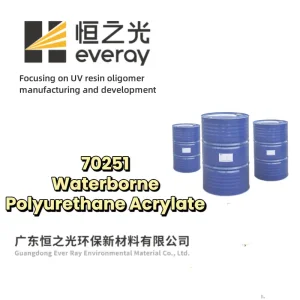
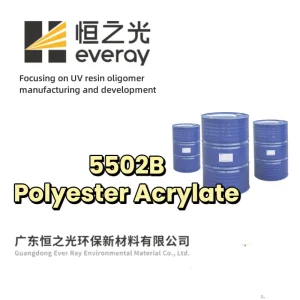
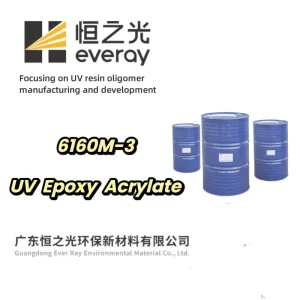
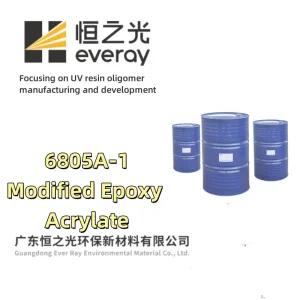
High-purity oligomers, reactive diluents, and industrial-grade polyurethane liquid formulations ready for global OEM export.
The global industrial market for polyurethane liquid systems and radiation-curable polyurethane acrylate oligomers is undergoing a fundamental structural transition. Driven by stringent environmental regulations (such as the EU REACH Annex XVII amendments, US EPA NESHAP rules, and China's GB 38508-2020 VOC limits), manufacturing sectors worldwide are aggressively shifting away from solvent-borne polyurethane lacquers toward 100% solids, UV-curable, and waterborne polyurethane liquid chemistry.
When enterprise procurement managers search to buy polyurethane liquid factory & factories direct capacity, they are navigating a complex polymer value chain. The upstream dynamics rely on the stoichiometry of diisocyanates—specifically MDI (Methylene Diphenyl Diisocyanate), TDI (Toluene Diisocyanate), and premium aliphatic isocyanates like HDI (Hexamethylene Diisocyanate) and IPDI (Isophorone Diisocyanate)—reacted against long-chain polyether, polyester, or polycarbonate polyols.
Direct integration with petrochemical refining ensures raw material purity, minimizing free monomer residue and optimizing NCO content consistency across multi-ton production lots.
Factory-direct contracts mitigate polyol and isocyanate price swings through long-term raw material hedging and continuous chemical synthesis operations.
Full documentation suites including RoHS 3.0, REACH SVHC screening, TSCA inventory status, and zero-VOC certification for international import clearance.
Understanding the molecular architecture of liquid polyurethane resins is essential for formulation engineers seeking to balance tensile strength, elongation at break, glass transition temperature (Tg), and chemical resistance. Polyurethanes are block copolymers featuring alternating hard segments (formed by isocyanate reactions) and soft segments (derived from polyols).
Depending on the end-use environment—whether high-impact automotive clearcoats, flexible electronic adhesives, or heavy-duty industrial flooring—chemical factories customize the prepolymer backbone:
| Polymer Chemistry Type | Tensile Strength (MPa) | Elongation at Break (%) | Weatherability (QUV Hours) | Primary Industrial Application |
|---|---|---|---|---|
| Aliphatic PUA (UV Curable) | 35 – 65 | 15% – 120% | > 2,000 hrs (No Yellowing) | Consumer Electronics (3C), Automotive Topcoats |
| Aromatic PUA (UV Curable) | 45 – 85 | 5% – 50% | < 300 hrs (Slight Discoloration) | UV Wood Coatings, Paper Overprint Varnishes |
| 2K Liquid Polyurethane (Solvent-Free) | 20 – 50 | 100% – 600% | > 1,500 hrs | Structural Adhesives, Elastomeric Waterproofing |
| Waterborne PUD (Anionic) | 15 – 40 | 200% – 800% | > 1,000 hrs | Leather Finishing, Flexible Packaging Primers |
From micro-dispensing in smartphone manufacturing to heavy-duty spray application on oceanic wind turbine blades, liquid polyurethane factory capabilities must align with targeted operational environments.
Liquid aliphatic polyurethane acrylates provide ultra-scratch-resistant finishes (pencil hardness up to 3H-4H) for mobile device housings, notebooks, and wearable optics, withstanding sweat, alcohol, and cosmetic chemical exposure.
Dual-cure (UV + moisture/thermal) polyurethane liquid formulations provide rapid line throughput for vehicle bumper coatings, interior trim touchpoints, and optical clear lens covers with high impact dampening.
Self-leveling 2K polyurethane liquid membranes engineered for pharmaceutical cleanrooms and cold-storage facilities, offering crack-bridging elasticity, seamless hygiene, and heavy forklift wheel load tolerance.
Custom synthesized low-viscosity (< 500 mPa.s) polyurethane acrylate liquids tailored for SLA/DLP 3D printers, producing high-resolution elastomeric engineering prototypes, shoe midsoles, and functional gaskets.
Liquid polyurethane sealants and blade edge protection coatings designed to endure extreme thermal cycling, high wind sand abrasion, and continuous saltwater fog exposure in offshore wind farms.
Optically clear liquid polyurethanes (LOCA) engineered for screen glass bonding, offering ultra-low shrinkage (< 1.5%), zero bubble formation, and permanent resistance to interfacial delamination.
Procuring raw chemical materials globally requires stringent vetting of factory infrastructure. A reliable polyurethane liquid manufacturer must demonstrate complete control over polymer synthesis, batch repeatability, and international shipping protocols.
Direct verification via Gel Permeation Chromatography (GPC) for molecular weight distribution, Fourier-Transform Infrared Spectroscopy (FTIR) for functional group verification, and Brookfield rotational viscometry for viscosity consistency.
Polyurethane liquid synthesis demands dry nitrogen blanketing across reactor vessels and filling lines. Moisture content must be strictly maintained below 0.05% to prevent premature prepolymer gelation.
In-house chemical synthesis capabilities to adjust oligomer functionality (from monofunctional reactive diluents to hexafunctional hyperbranched urethane acrylates) tailored to specific OEM processing windows.
UN-certified steel drums, IBC totes, and ISO tank container filling procedures compliant with IMDG (sea freight) and IATA (air freight) international dangerous goods transport regulations.
The polyurethane liquid manufacturing sector is entering a transformative era driven by green chemistry, digital synthesis monitoring, and advanced circular materials engineering.
Next-generation factories are replacing fossil-derived polyols with renewable castor oil, soybean, and bio-succinic acid building blocks, achieving over 40% renewable carbon content without compromising mechanical strength.
Pioneering synthesis pathways utilizing cyclic carbonates and amines to form polyhydroxyurethanes, completely eliminating toxic free isocyanate handling during industrial spray coating operations.
Dynamic covalent bonding and reversible Diels-Alder chemistry embedded into liquid polyurethane backbones allow surface scratches on automotive clearcoats to self-repair under ambient sunlight or low heat.
Technical guidance and commercial clarity for chemical sourcing directors, R&D formulators, and supply chain managers.
Buying directly from a synthesis factory grants procurement teams access to customized chemical modification (adjusting molecular weight, viscosity, and reactive functionality), lower unit pricing by eliminating trader margins, direct access to chemical engineers for technical support, and batch traceability from raw monomer to final filled drum.
Aliphatic polyurethane liquids are synthesized using cycloaliphatic or linear aliphatic diisocyanates (such as IPDI or HDI) which do not possess aromatic rings. This renders them immune to UV-induced chromophore formation, preventing yellowing, chalking, and micro-cracking during long-term outdoor sunlight exposure. Aromatic systems (TDI/MDI) degrade faster under UV light and are best reserved for indoor applications or opaque primers.
Under recommended storage conditions (unopened original sealed container, temperature between 15°C and 25°C, relative humidity under 60%, away from direct sunlight), high-quality liquid polyurethane resins typically maintain a shelf life of 12 months. Moisture-sensitive 1K or 2K prepolymers must be sealed under a dry nitrogen blanket after opening to prevent atmospheric water reaction and premature viscosity increase.
Yes. Factory R&D teams adjust liquid viscosity either by altering the backbone oligomer chain length during synthesis, varying hard-to-soft segment ratios, or blending the resin with targeted reactive diluents (such as TPGDA, TMPTA, or IBOA in UV systems) to achieve exact target viscosities (e.g., 200 mPa.s for spray applications up to 50,000 mPa.s for screen printing inks).
Every industrial export lot is accompanied by a batch-specific Certificate of Analysis (COA) detailing tested viscosity, color (Gardner/APHA), acid value, density, and solid content. Additionally, full Safety Data Sheets (SDS) compliant with GHS standards, REACH compliance statements, and RoHS 3.0 test certificates are supplied for customs clearance.
Complete your formulation architecture with specialized epoxy acrylates, polyester resins, and functional monomers.