High-reactivity, low-shrinkage oligomers engineered for demanding industrial coating, ink, and adhesive formulations.
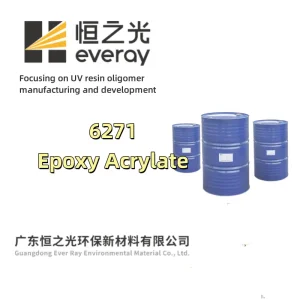
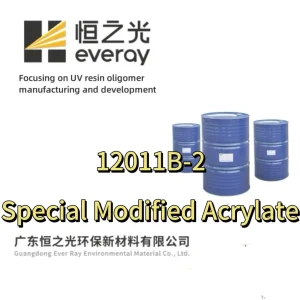
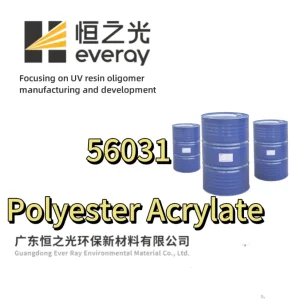
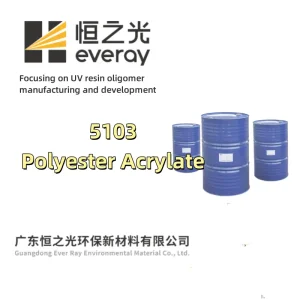
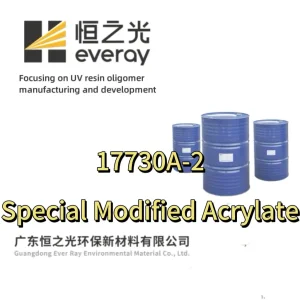
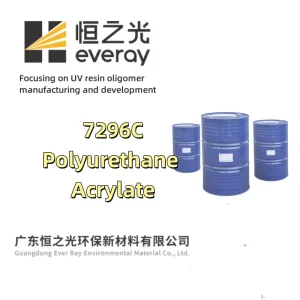
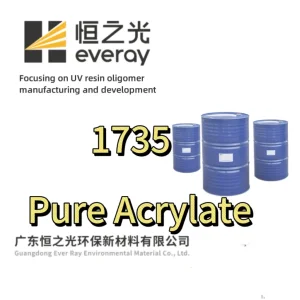
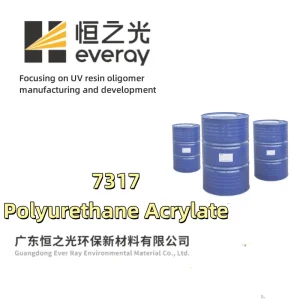
As global manufacturing shifts toward zero-VOC emission standards and energy-efficient rapid processing, UV curable epoxy resin technologies have transitioned from niche specialty chemical status to foundational industrial materials.
The global phase-out of medium-pressure mercury lamps has driven demand for epoxy acrylate oligomers specifically tuned for monochromatic 365nm, 385nm, and 395nm LED light sources. Modern formulations require optimized photoinitiator synergy and higher double-bond reactivity to overcome reduced spectral coverage.
Tightening EU REACH regulations, TSCA updates in North America, and GB standards in China demand ultra-low residual monomer content, reduced migration profiles, and elimination of hazardous photoinitiators (such as TPO alternatives), compelling factories to re-engineer polymer backbones.
Standard Bisphenol-A epoxy acrylates often suffer from high brittleness and poor flexibility. Chemical factories are increasingly deploying modified polyepoxide architectures—incorporating elastomeric, fatty-acid, or polyurethane linkages—to bridge the gap between mechanical hardness and strain tolerance.
Industrial procurement of UV curable epoxy resins requires strict validation of the Acrylic Double Bond Conversion (DBC) Rate via FTIR spectroscopy. Premium manufacturing processes ensure a conversion threshold exceeding 85-92% under low UV dosage (<150 mJ/cm²), mitigating uncured monomer residue and ensuring long-term dimensional stability.
Understanding the molecular architecture of UV curable epoxy resin is critical for formulation engineers optimizing crosslink density, surface hardness, dynamic adhesion, and yellowing resistance.
Epoxy acrylate oligomers are synthesized via the ring-opening esterification of epoxy resins (typically Diglycidyl Ether of Bisphenol A, DGEBA) with acrylic acid or methacrylic acid. The residual hydroxyl groups generated along the polymer backbone contribute exceptionally high surface polarity, imparting superior wet-out characteristics and mechanical adhesion to polar substrates such as metal, glass, and wood fibers.
| Resin Structural Category | Key Chemical Attributes | Viscosity Range (mPa.s / 25°C) | Primary Industrial Advantages | Trade-offs & Mitigations |
|---|---|---|---|---|
| Standard Bisphenol-A Epoxy Acrylate | DGEBA backbone, high aromatic density, high acrylate functionality | 40,000 – 100,000 (Pure) 500 – 3,000 (Diluted) |
Extreme hardness (3H–5H), rapid surface cure, outstanding tensile strength (>45 MPa) | High volume shrinkage (>6%), brittle behavior; mitigated by blending with flexible PUA oligomers. |
| Modified Epoxy Acrylate | Polyurethane, fatty acid, or amine-modified epoxide chains | 5,000 – 35,000 | Enhanced toughness, reduced internal stress, improved impact & flex resistance | Slightly reduced glass transition temperature (Tg); compensated via active amine synergists. |
| Novolac Epoxy Acrylate | Multi-functional phenol-formaldehyde epoxy backbone | 80,000 – 200,000 | Ultra-high crosslinking density, thermal stability up to 220°C, chemical/acid resistance | Extremely high viscosity; requires high levels of reactive diluents like TMPTA or TPGDA. |
| Aliphatic Epoxy Acrylate | Cycloaliphatic or hydrogenated aromatic epoxide ring structure | 2,000 – 15,000 | Exceptional UV non-yellowing performance, weatherability for outdoor applications | Higher raw material cost; primarily deployed in optical clear adhesives (OCA) and 3C topcoats. |
Dynamic shear viscosity dictates sprayability, roll-coating leveling, and ink printability. High-purity epoxy acrylates display Newtonian flow behavior when cut with monomers such as HDDA or TPGDA, ensuring predictable coating thickness.
Measured via Photo-DSC, the peak polymerization rate ($R_p$) and time-to-peak cure indicate line speed efficiency. High-reactivity resins enable line speeds exceeding 80 m/min in flexographic and gravure varnish applications.
During free-radical polymerization, double bonds convert into covalent single bonds, contracting polymer volume. Modified low-shrinkage resins preserve adhesion on smooth glass and vacuum-electroplated plastic parts.
Navigating raw material volatility, international logistics, and chemical consistency for multi-national coatings manufacturers and industrial end-users.
Every batch undergoes analytical testing: GPC molecular weight distribution, Brookfield viscosity indexing, color scale assessment (Gardner < 1), and residual acid value determination (< 2 mg KOH/g) to prevent batch-to-batch drift.
Available in 20kg steel pails, 200kg UN-rated iron drums, and 1000kg IBC totes equipped with nitrogen blanketing to eliminate premature thermal or actinic light-induced gelation during ocean transit.
In-house technical teams work directly with formulators to adjust resin polarity, reactive diluent ratios, glass transition temperature ($T_g$), and specific substrate wetting for OEM manufacturing requirements.
From high-speed graphic arts printing to high-reliability microelectronics, epoxy acrylate chemistry underpins modern material performance.
Used as primer and topcoat resins on ABS, PC, and PMMA substrates. Delivers optical clarity, scratch resistance, and robust adhesion under thermal shock (-40°C to +85°C) and salt spray testing.
Epoxy acrylates serve as primary binders in UV printing inks, offering fast pigment wetting, high gloss retention, excellent water-ink balance, and rapid surface drying on metalized paper and plastic films.
Provides industrial wood coatings with extreme abrasion resistance (Taber wear test compliance), chemical stain protection against household solvents, and high mechanical hardness (up to 4H pencil hardness).
Formulated with specialty organofunctional silane promoters, modified epoxy acrylates deliver boil-water resistance, ice-water immersion durability, and dish-washer safety for decorative glass containers.
Fast-curing bonding resins for glass-to-metal, optical component assembly, and pin tacking. Low optical absorption and low shrinkage stress prevent glass micro-cracking under stress cycling.
Delivers mirror-like gloss, high slip, and scuff resistance for paper packaging, luxury cosmetic boxes, and commercial gravure print over-coatings operating on ultra-fast automated packaging lines.
As chemical synthesis advances, R&D labs are pursuing radical sustainable and functional enhancements for epoxy acrylate UV curing platforms.
Replacing petroleum-derived Bisphenol A with renewable bio-based feedstocks derived from cardanol (cashew nutshell liquid), lignin, and epoxidized vegetable oils. Bio-content targets exceed 35-50% while retaining structural rigidity and reactivity.
Addressing shadow area curing in complex 3D industrial components. Resins incorporate secondary epoxy ring-opening or isocyanate functionality that cures via moisture or mild heat following initial light exposure.
Zero-VOC waterborne UV dispersions (UV-PUDs) combining the rapid curing of acrylates with the zero-toxicity and low viscosity of water systems, ideal for sustainable leather, textile, and interior wood applications.
Ensuring seamless international distribution through complete regulatory documentation and localized technical service integration.
Fully compliant with European Chemical Agency (ECHA) standards. Formulations strictly omit Substances of Very High Concern (SVHC) and heavy metals, meeting toy and food-contact packaging guidelines where required.
Comprehensive Safety Data Sheets available in over 20 languages, detailing toxicological data, aquatic toxicity limits, safe handling procedures, and proper disposal protocols according to regional GHS revisions.
Technical service teams offer on-site production line troubleshooting, lamps output calibration, viscosity adjustment, and photoinitiator matching to accelerate product qualification cycles.
Select from our extended grade selection for high-gloss varnishes, peelable adhesives, plastic coatings, and specialty inks.
Addressing essential technical performance, storage stability, dilution strategies, and sourcing queries.
