Engineered for SLA, DLP, LCD, and Material Jetting 3D printing systems. Designed to deliver optimal reactivity, low volumetric shrinkage, superior mechanical strength, and tight batch-to-batch consistency.
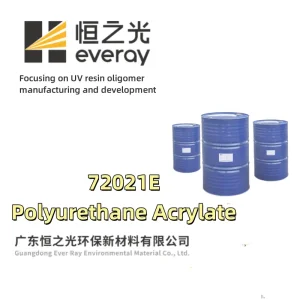
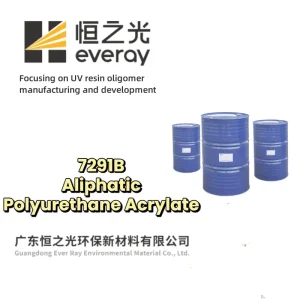
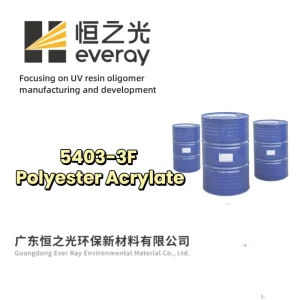
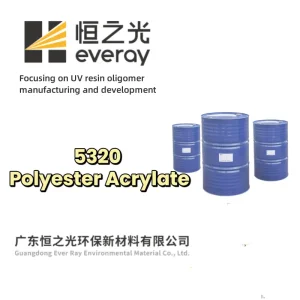
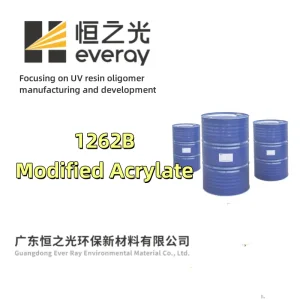
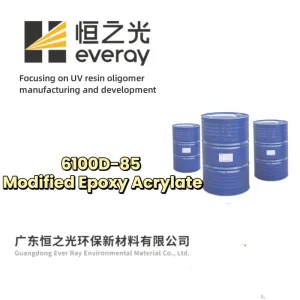
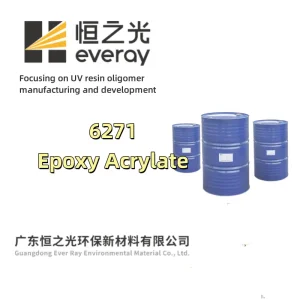
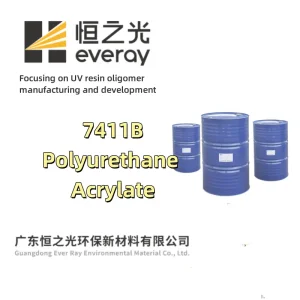
The global additive manufacturing sector has transitioned rapidly from rapid prototyping to direct industrial production. At the core of this transition is the evolution of chemical formulation engineering, specifically within UV-curable 3D printing inks, liquid photopolymers, and acrylate oligomer systems. As OEMs demand end-use printed parts that mimic engineering thermoplastics like ABS, Polycarbonate, and Polypropylene, the chemical requirements imposed on 3D printing ink suppliers and manufacturing factories have intensified dramatically.
Industrial users no longer accept brittle photopolymers with poor thermal stability or high isotropic distortion. Modern material jetting (MJ), Stereolithography (SLA), Digital Light Processing (DLP), and Liquid Crystal Display (LCD) printing technologies require ink suppliers to deliver ultra-precise rheological control, sub-micron pigment dispersion, rapid photopolymerization kinetics, and near-zero volumetric shrinkage. To satisfy these rigorous demands, chemical producers must combine advanced synthesis of urethane acrylates, epoxy acrylates, and hyperbranched polymers with strict batch-to-batch quality assurance protocols.
From an industrial procurement perspective, selecting a qualified 3D printing ink supplier requires evaluating raw chemical synthesis capability rather than mere re-formulation. True OEM/ODM value originates at the molecular resin level—where oligomers like aliphatic polyurethane acrylates (PUA) and modified epoxy acrylates are custom-synthesized to balance crosslink density, glass transition temperature ($T_g$), tensile strength, and flexural modulus.
Developing industrial-grade 3D printing inks requires harmonizing several competing chemical parameters: viscosity reduction for jetting or tank vat flow, free-radical photo-cure speed, interfacial adhesion between consecutive cured layers, and long-term environmental resistance. Below is a detailed breakdown of fundamental polymer systems engineered by top-tier UV resin factories:
Essential for applications requiring flexible, impact-resistant, non-yellowing characteristics. Aliphatic PUA oligomers provide high elastomeric memory, tear strength, and weatherability. Perfect for outdoor enclosures, wearable devices, and flexible lattice structures.
Utilized to achieve ultimate surface hardness, high heat deflection temperatures (HDT), and chemical resistance. Bisphenol A epoxy acrylates provide exceptionally fast surface cure speeds, minimal oxygen inhibition, and high tensile modulus in SLA/DLP systems.
A breakthrough class of low-viscosity, high-functionality raw materials. Hyperbranched architectures yield exceptionally high crosslink density without drastically increasing liquid viscosity, allowing inkjet 3D heads to fire smoothly without polymer clogging.
The table below demonstrates key material properties governed by choice of core UV oligomer supplied directly from chemical manufacturing facilities:
| Oligomer Chemistry Type | Viscosity (cPs @ 25°C) | Tensile Modulus (MPa) | Elongation at Break (%) | Glass Transition ($T_g$ °C) | Key Industrial Application |
|---|---|---|---|---|---|
| Aliphatic Urethane Acrylate (PUA 7291B) | 15,000 – 25,000 | 1,200 – 1,800 | 40% – 85% | 45°C – 65°C | Tough ABS-like Enclosures & Automotive Components |
| Bisphenol Epoxy Acrylate (6100D-85) | 4,000 – 8,000 (85% solid) | 2,800 – 3,500 | 2% – 5% | 85°C – 110°C | High-Temperature Tooling & Rigid Electronic Housings |
| Polyester Acrylate (5403-3F) | 800 – 2,200 | 800 – 1,400 | 10% – 25% | 35°C – 55°C | High-Speed Material Jetting & UV Inks |
| Hyperbranched Acrylate (4600) | 300 – 800 | 2,200 – 3,100 | 3% – 8% | 90°C – 125°C | Ultra-Fast SLA/LCD Resins & Scratch-Resistant Coatings |
| Waterborne UV Resin (70601) | 100 – 500 | 400 – 900 | 50% – 120% | 20°C – 40°C | Eco-Friendly 3D Inks, Wood Coatings & Hydrophilic Parts |
In free-radical UV curing systems (specifically 365nm, 385nm, and 405nm light sources), surface tackiness caused by atmospheric oxygen inhibition presents a major hurdle. Top 3D printing ink factories overcome this by blending amine synergists (active amines) and specialized amino acrylates into the resin matrix. Free radicals generated by Type I photoinitiators (such as TPO or BAPO) react with tertiary amine oligomers, forming active alpha-amino radicals that rapidly scavenge dissolved oxygen, ensuring non-tack, fully polymerized surfaces with high resolution.
Global enterprise buyers facing high-volume production face significant challenges when qualifying 3D printing ink factories. Fluctuations in raw material purity, unannounced batch substitutions, and uncontrolled monomer viscosity can cause massive build failures across automated additive manufacturing farms.
Leading chemical production facilities in Guangdong, China—such as Guangdong Ever Ray Environmental Material Co., Ltd.—operate over 40,000+ square meters of specialized synthesis plants equipped with multi-reactor setup lines capable of yielding thousands of metric tons per year.
Every batch undergoes rigorous quality testing including Gel Permeation Chromatography (GPC) for molecular weight distribution, cone-and-plate Brookfield viscosity checks, colorimetry (AHA/Gardner scale), and FT-IR functional group confirmation.
Direct OEM bulk purchasing eliminates trading markups while offering specialized UN-certified export packaging (20kg pails, 200kg steel drums, 1000kg IBC totes) compliant with international dangerous goods shipping regulations (IMDG, IATA, ADR).
Different industrial sectors require tailor-made UV resin formulations. A reliable 3D printing ink supplier provides customized chemical solutions designed to address distinct mechanical, thermal, and regulatory demands:
Commercializing 3D printing inks across North American, European, and Asia-Pacific markets requires adherence to stringent chemical compliance standards. High-quality UV resin factories ensure every formulation is backed by rigorous documentation and safety protocols:
All supplied oligomers and reactive diluents are fully compliant with EU REACH regulations, free from Substance of Very High Concern (SVHC) list chemicals, and meet heavy-metal restrictions under RoHS 3 directives.
100% solid solvent-free photopolymers and specialized waterborne UV resins minimize volatile organic compound (VOC) emissions, enhancing workplace air safety in industrial print facilities.
Every shipment is dispatched with lot-specific Technical Data Sheets (TDS), Safety Data Sheets (SDS) in GHS 16-section format, and certified Certificates of Analysis (COA).
Defining printer wavelength (365-405nm), target viscosity, speed, and physical properties.
Synthesizing and blending custom PUA, epoxy acrylates, or hyperbranched polymers.
Validating cure kinetics, layer adhesion, HDT, tensile strength, and shelf stability.
Replicating validated lab formulation into metric-ton batch production lines.
As additive manufacturing scales into high-speed serial manufacturing, the chemical capabilities of 3D printing inks are undergoing revolutionary changes. Key developments spearheaded by tier-1 factory technical teams include:
Explore additional high-purity oligomers, scratch-resistant hyperbranched acrylates, waterborne systems, and modified monomers supplied straight from factory production lines.
Aliphatic Polyurethane Acrylates (like PUA 7291B) utilize non-aromatic isocyanate backbones (such as IPDI or HDI), providing outstanding resistance to yellowing, UV radiation, and outdoor weathering while retaining high flexibility and toughness. Aromatic Polyurethane Acrylates use aromatic isocyanates (like TDI or MDI), offering higher tensile strength, faster cure speed, and lower cost, making them ideal for indoor structural parts where non-yellowing is not a critical requirement.
Volumetric shrinkage occurs as van der Waals distances between liquid monomers transform into tight covalent bonds during UV exposure. Ink manufacturers mitigate this by incorporating hyperbranched acrylates, high-molecular-weight oligomers, ring-opening monomers, and specialized reactive diluent blends (e.g., IBOA or CTFA). Controlling functionality and crosslink density lowers dimensional distortion to under 1.5%.
Material Jetting print heads (such as Piezoelectric Epson, Konica Minolta, or Ricoh heads) strictly require ultra-low liquid viscosities between 5 and 15 cPs at jetting operating temperatures (60°C – 70°C). Conversely, Stereolithography (SLA), DLP, and LCD vat-polymerization systems easily accommodate higher viscosities ranging from 200 to 1,500 cPs at 25°C.
Yes. Waterborne UV-curable polyurethane acrylate dispersions (PUDs) allow formulators to replace hazardous organic solvents with water. Upon thermal flash-off of water, UV light triggers crosslinking, delivering low-toxicity, eco-friendly 3D printed parts, flexible coatings, and biocompatible structures with excellent elastomeric recovery.
Direct chemical manufacturers provide a comprehensive technical dossier for every lot, including standard Certificates of Analysis (COA covering viscosity, acid value, refractive index, color, density), Safety Data Sheets (SDS), REACH/RoHS compliance statements, and starting point formulations (SPF) tailored for specific 3D printing systems.