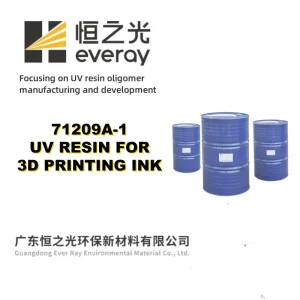
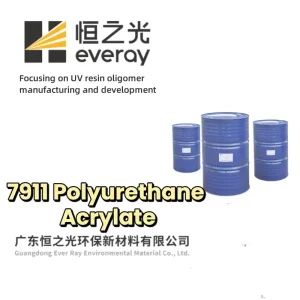
Directly sourced from advanced Guangdong synthesis facilities. Evaluated for exceptional scratch resistance, UV stability, yellowing resistance, and substrate adhesion.
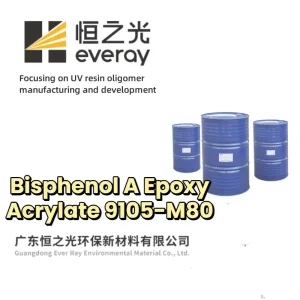
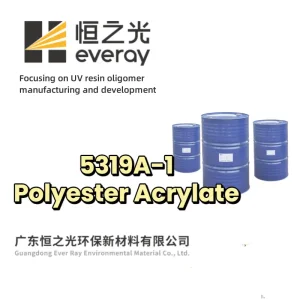
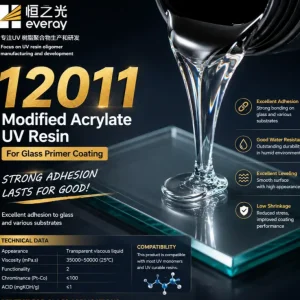
An authoritative whitepaper breakdown of chemical architecture, performance advantages, and international industrial demand dynamics.
Acrylic Polyurethane (APU) resins represent the apex of high-performance polymer chemistry, combining the optical clarity, UV resilience, and cost efficiency of acrylic polymers with the tough, chemical-resistant, and elastic crosslinking matrix of polyurethanes. As industrial sectors demand longer maintenance cycles, lower volatile organic compound (VOC) emissions, and superior weatherability, high-quality acrylic polyurethane systems have transitioned from niche protective coatings to indispensable chemical standards across aerospace, automotive OEM and refinishing, heavy industrial equipment, consumer electronics, and architectural infrastructure.
The structural advantage of Acrylic Polyurethane stems from its dual-polymer architecture. Hydroxyl-functional acrylic resins (polyols) are synthesized via free-radical copolymerization of acrylic monomers—such as hydroxyethyl methacrylate (HEMA), methyl methacrylate (MMA), and butyl acrylate (BA). These acrylic backbones are subsequently crosslinked with aliphatic or aromatic polyisocyanates (such as HDI or IPDI trimer isolations).
Aliphatic acrylic polyurethane systems resist photo-oxidation, preserving high Gloss (90+ GU at 60°) and color stability under continuous severe solar UV radiation.
Combines high glass transition temperature (Tg) acrylic hardness with urethane flexibility, ensuring crack resistance under severe mechanical flexure and thermal cycling.
Dense crosslink network provides extreme barrier properties against hydraulic fluids, automotive gasoline, acid rain, alkali sprays, and industrial solvents.
How Guangdong's chemical manufacturing ecosystems deliver unparalleled cost efficiency, batch consistency, and technological customization for global enterprise buyers.
Global chemical procurement officers increasingly rely on Chinese manufacturing clusters to secure stable, high-purity acrylic polyurethane resins and UV-curable oligomers. China's chemical supply chain advantages extend far beyond basic labor cost differentials; they encompass fully integrated raw material eco-systems, advanced automated reactor engineering, rigorous environmental compliance, and rapid pilot-to-bulk scale-up capabilities.
As a prominent example of China's chemical innovation, Guangdong Ever Ray Environmental Material Co., Ltd. operates its primary sales headquarters in Jiangmen City and a sprawling 40,000 m² state-of-the-art production complex in Dawan Industrial Park, Yunfu City, Guangdong. Established in 2006, Ever Ray has dedicated nearly two decades to R&D innovation, specializing in epoxy acrylates, aliphatic/aromatic polyurethane acrylates, waterborne UV oligomers, and specialty functional resins.
Through automated DCS reactor monitoring, gas chromatography (GC), gel permeation chromatography (GPC), and viscosity-color index logging, factory output achieves a >99.4% first-pass yield, guaranteeing identical rheology and reaction speed per barrel delivered.
Integrated raw material pipelines (local acrylic acid and specialty polyol cracking plants) enable high-solid and UV resin pricing structure 15-25% below European or North American chemical trading markups, backed by complete TDS, SDS, and REACH documentation.
Exploring how optimized acrylic polyurethane formulations solve specific engineering challenges across diverse global industrial sectors.
The versatility of acrylic polyurethane resins allows formulators to customize crosslink density, film flexibility, glass transition temperature, and curing speed based on target substrate characteristics. Below is an engineering overview of key commercial application sectors:
Delivers mirror-like gloss (>95 GU), high distinctness of image (DOI), and stone-chip impact resistance. Aliphatic acrylates prevent atmospheric weathering and acid rain degradation over 10+ year vehicle life cycles.
Fast-curing UV-curable polyurethane acrylates applied on PC, ABS, and PMMA smartphone housings and laptop shells. Provides high pencil hardness (3H-5H), fingerprint stain resistance, and rapid thermal cycling stability.
High-solid and waterborne 2K acrylic polyurethanes engineered for SPC flooring, luxury hardwood, and architectural panels. Delivers outstanding Taber abrasion resistance and micro-scratch self-recovery.
The following engineering data table summarizes key comparative parameters across major acrylic polyurethane resin categories to assist procurement and formulation teams during chemical selection:
| Resin Type | Hydroxyl Value / Functionality | Tg (°C) | Pencil Hardness | QUV Weatherability | Primary Industrial Use |
|---|---|---|---|---|---|
| Aliphatic 2K APU (HDI) | 130 - 160 mg KOH/g | 25°C to 45°C | 2H - 3H | > 4,000 hrs (Gloss >90%) | Automotive Topcoats, Aerospace, Marine Clearcoats |
| Aromatic 2K APU (TDI) | 100 - 140 mg KOH/g | 15°C to 35°C | H - 2H | < 500 hrs (Yellows under UV) | Interior Machinery, Sanding Wood Primers, Flooring |
| Aliphatic PUA (UV-Curable) | Functionality: 2 - 6 | 35°C to 75°C | 3H - 5H | > 3,000 hrs | 3C Electronics, UV Nail Gels, Optical Film Coating |
| Waterborne APU Dispersion | Anionic / Non-ionic PUD | -10°C to 30°C | HB - H | > 2,500 hrs | Eco Wood Finishes, Leather Finishing, Low-VOC Inks |
Navigating regulatory compliance, VOC restrictions, hazardous material shipping, and quality assurance criteria for international import.
When enterprise procurement departments source acrylic polyurethane resins and UV monomers from international suppliers, technical compliance and regulatory documentation are as crucial as chemical performance. High-tier chemical factories ensure strict adherence to international environmental frameworks and supply chain transparency standards.
Global buyers require strict compliance with EU REACH registration, RoHS 2.0 directive, TSCA (USA), and local low-VOC regulations. Modern factories must provide formal Safety Data Sheets (SDS) matching GHS standards in multiple languages alongside independent laboratory test certificates.
Liquid resins and UV oligomers require UN-approved steel drums, IBC totes, or ISO tanks with specialized moisture-barrier sealings to prevent premature isocyanate reaction or photo-polymerization during ocean transit. Specialized logistics partnerships guarantee smooth customs clearance at major global ports.
Key technological breakthroughs shaping the next decade of protective coatings, green chemistry, and smart materials.
Combining rapid UV photocuring for surface tack-free setting with secondary moisture or thermal curing mechanisms. Enables 100% cure penetration even in shadowed 3D geometry areas of complex industrial parts.
Replacing petroleum-derived polyols with castor oil, soybean, and lignin-based derivatives. Reduces carbon footprint by up to 35% without sacrificing mechanical hardness or chemical corrosion barrier metrics.
Incorporating dynamic reversible hydrogen bonding or micro-encapsulated nanosilicas into the polyurethane acrylic matrix, enabling automatic scratch recovery under mild solar heat exposure.
Complete OEM/ODM oligomer options tailored for printing inks, paper varnishes, glass primers, and ABS engineering plastics.
In-depth technical answers curated by senior resin synthesis experts and application engineers.
Aliphatic acrylic polyurethanes use aliphatic isocyanates such as HDI (Hexamethylene Diisocyanate) or IPDI (Isophorone Diisocyanate). They do not contain benzene rings, rendering them completely immune to solar UV-induced chromophore formation (yellowing). Aromatic systems utilize TDI or MDI, which offer superior mechanical hardness and lower cost, but will yellow under direct solar UV exposure, making them ideal for interior applications.
Standard 2K acrylic polyurethanes cure via an ambient or elevated-temperature polyol-isocyanurate chemical addition reaction taking hours or days to fully develop final crosslink density. UV-curable polyurethane acrylates incorporate photo-reactive acrylate double bonds; when exposed to UV light (365nm-395nm wavelength), photoinitiators trigger instant radical polymerization within seconds, dramatically accelerating factory throughput.
Pot life typically ranges from 2 to 6 hours at 25°C depending on catalyst concentration (such as dibutyltin dilaurate - DBTDL). Formulators can extend pot life using volatile acetylacetone chelating retarders or slow-reacting polyol structures, or shorten pot life using tertiary amine catalysts for rapid forced-drying spray booths.
Yes. Ever Ray’s in-house chemical R&D team regularly performs tailored oligomer synthesis. We can adjust the molecular weight distribution, acrylate functionality (from 2-functional up to 6-functional hyperbranched structures), and solvent solubility to match exact viscosity targets for spray, roller, dip, or inkjet digital application systems.
Every batch undergoes rigorous quality testing including Viscosity (Rotational Rheometer at 25°C), Color Index (Fe-Co or Gardner Scale), Hydroxyl Value / Acid Value, NCO Content, Solid Content percentage, and QUV/GPC validation. Batch Certificate of Analysis (COA) is issued for every drum shipped.
Resins should be stored in sealed, light-proof containers between 5°C and 30°C in a dry, ventilated warehouse away from direct sunlight, open flames, and strong oxidative agents. Under ideal sealed conditions, shelf life is guaranteed for 12 months from the production date.
Waterborne PUDs replace volatile organic solvents with water, yielding near-zero VOC emissions and excellent eco-compliance for interior architecture and wood coatings. High-solids solvent systems still offer slightly higher film build per pass, maximum DOI gloss, and rapid water-immersion resistance for extreme marine environments.
Standard evaluation samples (1kg - 5kg sample pails) are dispatched via air express within 3-5 business days. Commercial production batches start at an MOQ of 200kg (single drum) up to full 20ft container loads (16-18 Metric Tons) with standard factory production lead times of 7-10 days.