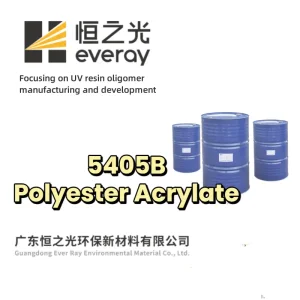
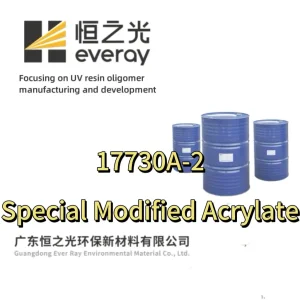
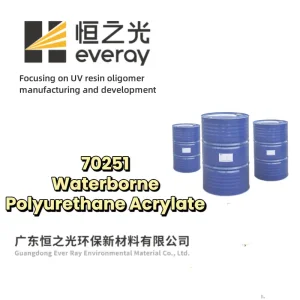
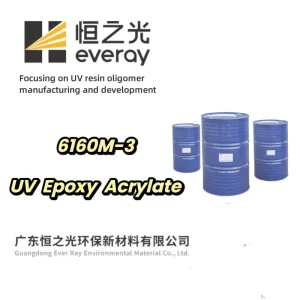
Explore our certified resin systems optimized for concrete sealers, floor overlays, wood finishes, and industrial protective coatings manufactured under strict ISO 9001/14001 quality standards.
Wholesale 61003A UV resin in UV plastic-film varnish and LED-UV Packaging Factory, Product
Buy High adhesion 6100D-85 epoxy acrylate for UV wood coating applications, etc. Suppliers, Factory
Buy Waterborne 70601 UV-resin for 3D Printing,UV-ink and UV Wood-coatings Suppliers, Product
Wholesale 5650F UV resin for UV varnish and printing ink Manufacturer, Manufacturers
The global concrete coating and structural resin sector is experiencing a massive paradigm shift driven by stringent industrial floor durability mandates, rapid urban infrastructure expansion, and aggressive decarbonization directives. Leading high-quality concrete epoxy manufacturers and factories are transforming synthesis methodologies to replace legacy solvent-based formulations with high-solids, 100% solids, and waterborne UV-curable epoxy acrylates.
Modern concrete substrates present unique chemical challenges: alkalis, moisture vapor emission rates (MVER), thermal expansion differentials, and mechanical shear strain caused by heavy forklifts and automated guided vehicles (AGVs). Factory floor managers and commercial asset owners no longer accept generic paint-grade sealers. Instead, engineering procurement teams rely on specialized manufacturers capable of synthesizing custom Bisphenol-A (BPA), Bisphenol-F (BPF), and Novolac epoxy resins blended with advanced polyamine or cycloaliphatic curing agents.
Zero-VOC, zero-solvent formulations that deliver maximum film thickness in a single pass. Preferred for cleanroom flooring, pharmaceutical facilities, and heavy industrial assembly plants where solvent outgassing is prohibited.
Engineered for superior blush resistance, high gloss retention, and exceptional mechanical toughness. Cycloaliphatic systems resist ambient humidity during the critical crosslinking phase.
Combining the instant cure speeds of ultraviolet radiation with the adhesion and tensile strength of traditional epoxy networks, unlocking ultra-fast turnaround times for commercial facilities.
To understand the structural superiority of tier-one concrete epoxy resins, formulators evaluate the molecular weight distribution, epoxide equivalent weight (EEW), and crosslink density of the cured matrix. Concrete is inherently porous, alkaline (pH 12–13), and prone to micro-cracking. Epoxy resins engineered by primary manufacturing plants must form covalent bonds with the silicate hydrate network of concrete.
Standard diglycidyl ether of bisphenol-A (DGEBA) resins typically exhibit an EEW between 180 and 190 g/eq. Lower EEW values yield lower viscosity resin bases, enabling deep penetration into micro-capillaries prior to gelation. Conversely, multi-functional Novolac epoxy resins (functionality 2.8 to 3.8) increase crosslink density dramatically, providing superior chemical resistance against aggressive acids, solvents, and fuels.
| Epoxy Resin Chemistry | Epoxide Equivalent Weight (g/eq) | Tensile Strength (ASTM D638) | Shore D Hardness | Primary Application Vector |
|---|---|---|---|---|
| Standard DGEBA Liquid Resin | 182 - 192 | 65 - 75 MPa | 80 - 85 Shore D | General Industrial Flooring & Primers |
| Bisphenol-F (BPF) Low-Viscosity | 165 - 175 | 70 - 80 MPa | 82 - 86 Shore D | High-Solids Sealer & Crystallization Resistance |
| Epoxy Novolac (Multifunctional) | 170 - 180 | 85 - 95 MPa | 88 - 92 Shore D | Secondary Containment & Battery Plants |
| UV-Curable Modified Epoxy Acrylate | N/A (Acrylic Functional) | 60 - 75 MPa | 78 - 84 Shore D | Rapid-Return-to-Service Sealers & Overcoats |
The most frequent cause of industrial floor coating failure is osmotic blistering caused by moisture vapor pressure underneath the concrete slab. Premium epoxy primers synthesized by advanced factories utilize hydrophobic reactive diluents and specialized silane coupling agents (e.g., 3-glycidoxypropyltrimethoxysilane). These silanes react with mineral hydroxyl groups on the concrete surface, forming durable siloxane (Si-O-Si) chemical bonds that exceed 3.5 MPa in direct pull-off adhesion tests (ASTM D4541), invariably causing concrete substrate failure rather than adhesive bond failure.
Different commercial and industrial operating environments require distinct mechanical and chemical profiles. High-quality concrete epoxy factories design complete multi-layer systems—including moisture barrier primers, self-leveling body coats, decorative flake broadcast layers, and abrasion-resistant topcoats.
Designed to withstand continuous point loading, fork-truck traffic, and high impact. Incorporates graded quartz aggregates into flexible epoxy mortar matrices to dissipate mechanical stress.
Epoxy Novolac formulations specifically engineered to withstand prolonged immersion in 98% sulfuric acid, 37% hydrochloric acid, and aggressive organic solvents without swelling or delaminating.
Conductive epoxy body coats integrated with carbon nanotube or conductive fiber technology, maintaining electrical resistance values between 10^6 and 10^9 ohms per ANSI/ESD S20.20 standards.
As global supply chains demand lower carbon footprints and faster operational handovers, tier-one manufacturers are accelerating R&D across four key technology pillars:
Replacing petroleum-derived bisphenol derivatives with renewable plant-based feedstocks derived from Cashew Nut Shell Liquid (CNSL cardanol technology) and epoxidized vegetable oils. These resins lower net lifecycle carbon emissions while enhancing flexibility and water resistance.
Integrating micro-encapsulated liquid monomer units and catalyst pockets inside the cured epoxy matrix. When structural micro-cracks form under thermal shock, the capsules rupture, releasing repair monomers that polymerize automatically, preventing moisture intrusion.
Advanced phenalkamine and accelerated aliphatic amine hardener packages that allow full structural cure at temperatures as low as -10°C, solving winter installation challenges in cold-storage facilities and Northern Hemisphere construction projects.
Combines radical photo-polymerization (UV curing) with secondary cationic/thermal epoxy cure. Provides instantaneous surface hardness under UV lamps while ensuring complete cure in shadowed concrete crevices and deep crack injection zones.
Navigating regional environmental regulations is paramount for architectural specifiers and global distributors sourcing concrete epoxy materials. High-quality factories provide full regulatory dossier support, guaranteeing compliance across major economic jurisdictions:
Formulations meet South Coast Air Quality Management District (SCAQMD) strict Volatile Organic Compound (VOC) thresholds (<50 g/L for floor coatings). Contributes directly to LEED v4.1 Low-Emitting Materials credits for indoor air quality.
Fully registered under Regulation (EC) No 1907/2006 (REACH), free from Substances of Very High Concern (SVHC). Compliant with German AgBB health-related evaluation standards for building products used indoors.
Custom-tailored resin kinetics for tropical climates (high ambient humidity >85% RH and temperatures >35°C). Prevents amine blushing, carbamation, and sticky surface residues during field application.
Distinguishing between standard chemical compounders and tier-one primary epoxy synthesis manufacturers is essential for contract formulators and regional distributors. When auditing potential factory partners, procurement executives must evaluate five core operational pillars:
Direct answers from our senior chemical engineering team regarding concrete epoxy selection, formulation tuning, and bulk factory procurement.
Bisphenol-F epoxy resins possess a lower molecular viscosity compared to standard Bisphenol-A resins without requiring excessive solvent or reactive diluent addition. BPF resins also exhibit a significantly lower tendency to crystallize at cold storage temperatures and deliver slightly higher chemical resistance and crosslink density.
Amine blush occurs when unreacted free amine curing agents react with atmospheric carbon dioxide and moisture to form ammonium carbamate salts on the curing surface. Quality manufacturers prevent this by pre-reacting amines into cycloaliphatic adducts or isolated polyamine adducts, ensuring rapid carbamation-free cure even at elevated humidity levels.
Traditional 2K concrete epoxies require 8 to 24 hours of curing time before foot traffic is allowed. UV-curable epoxy acrylates cure within milliseconds under mobile UV LED curing rigs. This allows commercial facilities like retail supermarkets or airport terminals to recoat concrete floors overnight and return to full operational service immediately.
When concrete moisture vapor emission rates (MVER) exceed 3 lbs per 1,000 sq. ft. over 24 hours (ASTM F1869) or relative humidity inside the slab exceeds 75% (ASTM F2170), a standard primer will likely fail due to osmotic pressure. High-solids moisture mitigation epoxy primers are specially formulated to withstand MVER up to 25 lbs and 100% in-situ relative humidity.
Yes. We specialize in OEM/ODM custom resin synthesis. Our R&D department can adjust parameters such as epoxy equivalent weight, viscosity, cure kinetics, color (Gardner index), and specific gravity to match your exact processing equipment or private-label market requirements.
Every production lot is dispatched with a lot-specific Certificate of Analysis (COA) confirming viscosity, color, epoxide content, density, and gel time. Complete Technical Data Sheets (TDS), GHS-compliant Safety Data Sheets (SDS), and regulatory compliance statements (REACH/RoHS/VOC) are provided with sample evaluations.
Browse our secondary selection of high-durability polyester acrylates, polycarbonate acrylates, and specialty modified resins for advanced industrial coatings.