Explore our industrial-grade resin systems engineered for high reactivity, rapid surface curing, superior pigment wetting, and maximum mechanical adhesion.
Analyzing cross-sector demands for energy-curable inks, chemical barrier properties, and industrial-grade epoxy acrylate oligomers.
Modern electronics manufacturing requires epoxy solder mask inks and marking inks that withstand severe thermal shock, solder baths (up to 280°C), and aggressive acid/alkaline etching solutions. B2B procurements mandate bisphenol-A epoxy acrylate backbones with tight ionic purity levels.
From under-the-hood sensors to interior control panels, automotive OEMs require two-component epoxy inks and LED-UV curable epoxy acrylates with extreme solvent, fuel, and abrasion resistance. Compliance with strict VOC emission standards is mandatory.
High-end cosmetics, beverage bottles, and metal cans rely on screen-printed epoxy inks for flawless adhesion to untreated glass and passivated aluminum. The ink matrix must prevent flaking during high-pressure sterilization and pasteurization.
When selecting epoxy ink suppliers, global procurement teams must distinguish between standard Bisphenol A Epoxy Acrylates (known for maximum hardness and fast reactivity) and Modified Epoxy Acrylates (engineered for lower viscosity, enhanced flexibility, and reduced yellowing). Enterprise buyers partnering with Guangdong Ever Ray Environmental Material Co., Ltd. gain access to targeted polymer modifications tailored specifically to high-speed printing lines.
Understanding the molecular dynamics, glass transition temperatures ($T_g$), and crosslink density of curable oligomers in heavy-duty epoxy ink applications.
| Resin Chemistry Class | Cure Speed & Conversion | Adhesion to Metals/Glass | Chemical & Solvent Resistance | Flexibility & Toughness | Primary Industrial Ink Applications |
|---|---|---|---|---|---|
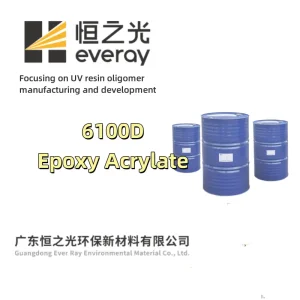
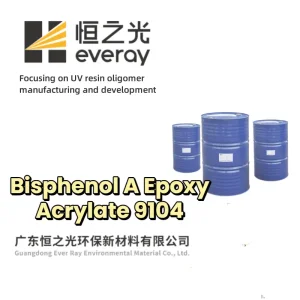
| Bisphenol A Epoxy Acrylate (e.g., Ever Ray 9104, 6100D) | Very High (< 0.5s) | Superior (5B) | Maximum (MEK >200) | Moderate / Rigid | PCB Solder Mask, Glass Inks, Metal Can Coatings |
| Modified Epoxy Acrylate (e.g., Ever Ray 6803A, 6231) | High | Excellent (5B) | Very High | Balanced / Low Shrinkage | UV Screen Inks, Plastic Packaging Inks, OPV |
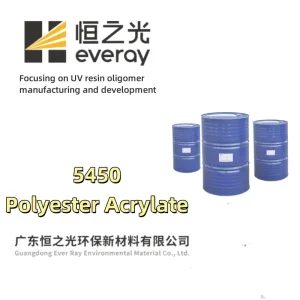
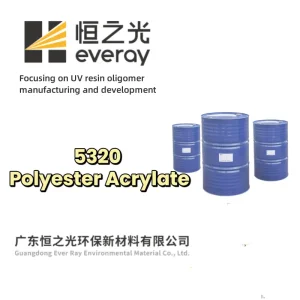
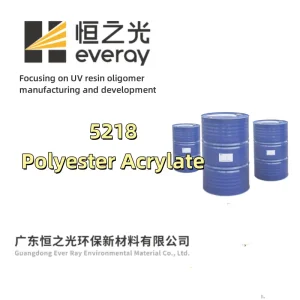
| Polyester Acrylate Oligomer (e.g., Ever Ray 5502B, 5320) | Moderate to High | Good on Paper/Board | Moderate | High Flexibility | UV Offset Inks, Flexographic Printing, Paper Varnish |
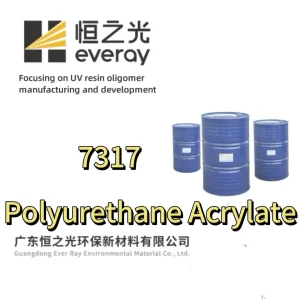
| Aliphatic Polyurethane Acrylate (e.g., Ever Ray 7600, 7296-1) | High | Excellent on Plastics | High (Non-yellowing) | Superior Elastomeric | Outdoor Inks, Automotive Touchscreens, Premium Plastics |
Epoxy acrylates are synthesized via the esterification of bisphenol A diglycidyl ether (BADGE) with acrylic acid. The resulting molecule contains terminal acrylate groups capable of free-radical polymerization under UV exposure, alongside hydroxyl (-OH) groups distributed along the aromatic backbone.
These hydroxyl groups generate intense polar interactions and hydrogen bonding with inorganic substrates (glass, ceramics, metals), delivering unmatched adhesion without the necessity of aggressive silane primers in standard operational conditions.
Industrial epoxy inks often contain heavy pigment loadings (carbon black, titanium dioxide, phthalocyanine blues, inorganic metal oxides). Standard epoxy resins present high room-temperature viscosity (10,000 – 50,000 mPa.s at 25°C), which can hinder pigment wetting.
Guangdong Ever Ray Environmental Material Co., Ltd. solves this viscosity bottleneck through modified oligomers (such as Ever Ray 6803A and 6100D) blended with low-odor reactive diluents (TPGDA, TMPTA, or modified acrylate monomers), achieving ideal thixotropic flow indices for high-speed screen printing and offset ink presses.
Exploring the shift toward LED-UV curing, bio-based epoxy acrylate monomers, dual-cure mechanism designs, and low-VOC compliance.
Traditional mercury vapor UV lamps produce excessive thermal radiation, damaging heat-sensitive thin-film substrates. The industry is rapidly migrating to energy-efficient LED-UV systems. Ever Ray's R&D team has engineered modified epoxy acrylates optimized for long-wave UV absorption, matching photoinitiator packages (TPO, ITX, DETX) to eliminate surface tackiness and oxygen inhibition.
In complex 3D electronic assemblies and deep-shadow screen printing regions, UV light cannot penetrate completely. Modern industrial ink formulations utilize dual-cure chemistries—combining free-radical UV photopolymerization with secondary thermal or moisture-curing epoxy mechanisms—guaranteeing 100% cure depth across unexposed areas.
Driven by global carbon reduction mandates and EU Green Deal policies, the next decade of epoxy ink development focuses on renewable feedstocks. Ever Ray is actively synthesizing bio-based epoxy acrylate oligomers derived from plant-based oils and modified cardanol, maintaining high crosslinking density while increasing renewable carbon content by up to 35%.
Delivering uncompromised chemical quality from Guangdong Ever Ray Environmental Material Co., Ltd. since 2006.
Founded in 2006, Guangdong Ever Ray Environmental Material Co., Ltd. operates a modern chemical synthesis headquarters in Jiangmen and a state-of-the-art production base located in Dawan Industrial Park, Yunfu, Guangdong, China, spanning over 40,000 square meters.
Housing over 10 automated synthesis production lines, our annual output capacity exceeds tens of thousands of metric tons of specialized UV curable resins, including epoxy acrylates, polyurethane acrylates, polyester acrylates, and functional monomers.
Our chemical testing laboratory enforces zero-defect quality standards across every batch shipped to North America, Europe, Southeast Asia, and the Middle East.
Ensuring your ink formulations meet international environmental legislation, food-contact guidelines, and safety standards.
All Ever Ray epoxy oligomers comply with EU REACH regulations. Products are screened to ensure absence of Substances of Very High Concern (SVHC).
Heavy metals (Pb, Cd, Hg, Cr VI) and restricted phthalates are strictly excluded, meeting RoHS 3.0 directives for electronics screen printing.
Every shipment is accompanied by comprehensive Technical Data Sheets (TDS), Safety Data Sheets (SDS, GHS compliant), and Certificates of Analysis (COA).
Available in 20kg steel pails, 200kg iron drums, and 1000kg IBC totes with specialized hazardous chemical transport certification.
Complete your formulation matrix with our high-adhesion resins, reactive diluents, and modified specialty acrylate oligomers.
Expert solutions to common formulation challenges faced by industrial ink chemists and chemical procurement officers.
Request custom resin modifications, technical data sheets, safety documents, or 1kg evaluation samples for your high-performance ink formulation project.