Explore our top-grade resin formulations designed by leading factories for high chemical resistance, rapid photocuring, and superior interfacial substrate adhesion.
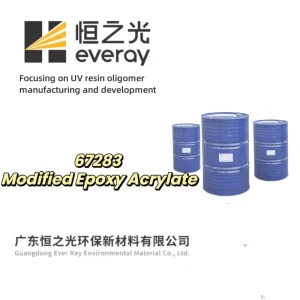
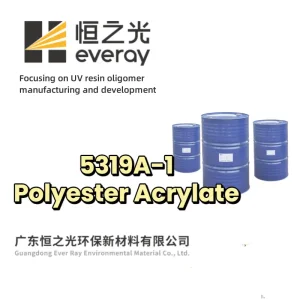
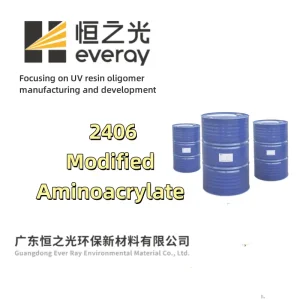
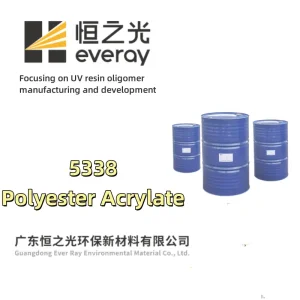
The international market for epoxy resin thermosets and acrylate-modified oligomers is undergoing a profound structural shift. As global industrial demand transitions toward higher efficiency, ultra-low VOC profiles, and rigorous thermal-mechanical stability, epoxy resin producers and specialized chemical factories sit at the core of advanced manufacturing innovation.
Asia-Pacific, led by integrated manufacturing complexes in China, accounts for over 60% of the world's raw Bisphenol-A (BPA) and Epichlorohydrin (ECH) synthesis. European and North American facilities increasingly focus on high-purity, low-monomer-content specialty epoxy acrylates for microelectronics and green packaging.
Leading factories possess vertical integration—stretching from petrochemical cracking down to acrylic acid functionalization. This integration guarantees consistent epoxy equivalent weight (EEW), controlled color (Gardner index < 1), and precise viscosity dynamics indispensable for high-volume automated lines.
The industrial footprint of epoxy producers is pivoting toward resilient supply agreements. Volatility in global petro-feedstocks has driven end-users toward strategic supplier alliances that offer custom batch blending, certified technical data sheets (TDS), and zero-defect regulatory compliance (REACH, RoHS, TSCA).
Modern industrial coatings and adhesives are leaving thermal-cure solvent matrices behind. Modern manufacturers prioritize energy efficiency, rapid throughput, and non-toxic working conditions.
Traditional solvent-based epoxy formulations emit significant Volatile Organic Compounds (VOCs) during extended thermal bake cycles. The modern chemical manufacturing sector is rapidly adopting radiation-curable epoxy acrylates. Under high-intensity UV-LED (365nm to 395nm wavelengths) or Electron Beam radiation, free-radical polymerization completes within milliseconds, dramatically reducing power consumption and floor-space requirements.
Regulatory mandates across the EU and North America are prompting epoxy resin producers to incorporate bio-derived feedstocks. Industrial synthesis now utilizes epoxidized soybean oil (ESO), cardanol derived from cashew nut shell liquid (CNSL), and bio-succinic derivatives. These green building blocks reduce carbon footprint without sacrificing mechanical toughness or moisture resistance.
To overcome shadow-area curing limitations in complex 3D assemblies, advanced factories produce hybrid dual-cure resins. These systems combine UV free-radical acrylate polymerization with secondary thermal or moisture-initiated epoxy ring-opening mechanisms, ensuring uniform structural integrity across shadowed geometries.
Historically, standard bisphenol-A epoxy acrylates exhibited yellowing tendencies under outdoor UV exposure and high brittle stress due to high crosslink density. Modern modified epoxy acrylate solutions (such as grade 67283 or 6231) incorporate aliphatic flexibilizers and steric-hindered structures that offer excellent yellowing resistance and elasticity.
Understanding the core chemical performance metrics enables procurement and R&D engineering teams to select the optimal resin grade for specific substrate processing conditions.
| Resin Chemistry Type | Cure Mechanism | Pencil Hardness | Tensile Strength | Yellowing Resistance | Key Substrate Targets |
|---|---|---|---|---|---|
| Standard Bisphenol-A Epoxy Acrylate | Free-Radical UV / EB | 3H - 5H | 45 - 65 MPa | Moderate (Interior) | Wood, Paper OPV, Metals |
| Modified Low-Yellowing Epoxy Acrylate | Dual UV / Thermal | 2H - 4H | 35 - 55 MPa | High (Delta E < 2) | Consumer Electronics, Plastics |
| Aliphatic Polyurethane Acrylate (PUA) | Free-Radical UV | H - 3H | 25 - 45 MPa | Excellent (Outdoor) | Automotive Clear Coats, Outdoor Tapes |
| Polyester Acrylate Oligomer | Free-Radical UV | HB - 2H | 20 - 40 MPa | Moderate to High | Printing Inks, Offset Packaging |
| Waterborne UV Polyurethane/Epoxy | Water Evaporation + UV | H - 3H | 30 - 50 MPa | High | Leather Finishing, Eco-Wood Coatings |
The conversion of a standard epoxy resin into a high-performance UV-curable oligomer involves the esterification reaction of bisphenol-A diglycidyl ether (DGEBA) with acrylic acid in the presence of specialized catalysts (such as triphenylphosphine or quaternary ammonium salts) and radical inhibitors. Factories fine-tune the resulting polymer chains by:
High-quality epoxy resin and acrylate oligomer solutions are optimized across diverse global end-use environments. Below are localized, field-tested integration frameworks.
Smartphones, laptops, and wearables require surface finishes that withstand friction, cosmetic chemical spills, and drop impacts. Aliphatic-modified epoxy acrylate and polyurethane acrylate formulations provide high hardness (above 4H pencil test) while maintaining excellent adhesion to polycarbonate (PC), ABS, and aluminum alloy housings.
In high-speed offset, gravure, and flexographic packaging operations, printing inks must dry instantly under inline UV lamps. Polyester acrylates (such as 5319A-1) and amine-modified epoxy acrylates accelerate surface cure by overcoming atmospheric oxygen inhibition, ensuring rich color development and rub resistance.
Rigid flooring materials and luxury vinyl tile (LVT) demand heavy scratch, stain, and abrasion resistance. Standard epoxy acrylates combined with fast-curing polyurethane acrylates (such as 7402) deliver durable primer and topcoat layers capable of enduring high foot traffic and cleaning solvents.
Outdoor labeling, automotive trim tapes, and display screen assembly demand weatherable resin backbones. Specialty weather-resistant oligomers (such as Model 72027) offer exceptionally low yellowing and sustained high-tack adhesive performance across wide temperature ranges (-40°C to 120°C).
SLA, DLP, and LCD 3D printing technologies rely on low-viscosity, fast-reacting epoxy and acrylate monomers. Modified low-shrinkage oligomers provide tight dimensional tolerances, crisp feature resolution, and robust mechanical properties for industrial prototyping and dental modeling.
Coatings engineered with functional fluorinated or silicone-modified acrylate oligomers (such as 1291B-1) create low surface energy barriers. These functional layers repel water, grease, and ink graffiti, making them ideal for architectural glass, public touchscreen displays, and marine gelcoats.
To maintain competitive market positioning, premier resin producers execute strict quality engineering workflows that ensure batch consistency, supply reliability, and comprehensive technical enablement.
Every production lot undergoes stringent laboratory verification using modern analytical instrumentation prior to packaging and dispatch:
For specialized industrial applications where off-the-shelf resins fall short, factory engineering teams collaborate directly with customer R&D units:
Discover specialized oligomers for multi-substrate bonding, anti-yellowing nail gels, pressure-sensitive adhesives, and low-shrinkage printing inks.
Addressing key operational, chemical, and logistics queries for technical directors, formulators, and international procurement managers.