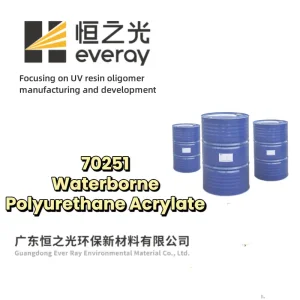
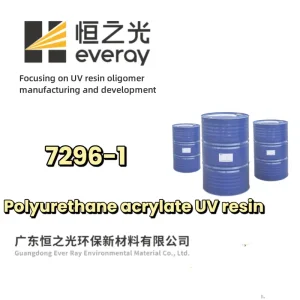
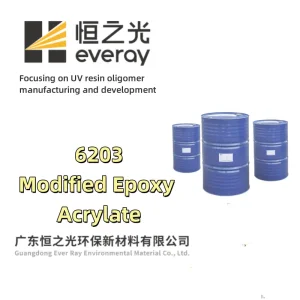
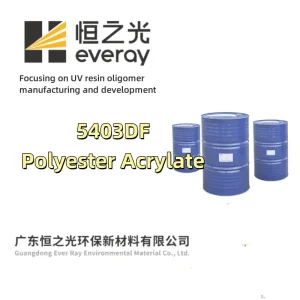
Direct factory-engineered resin grades tailored for extreme mechanical toughness, high scratch resistance, and low-VOC coating applications.
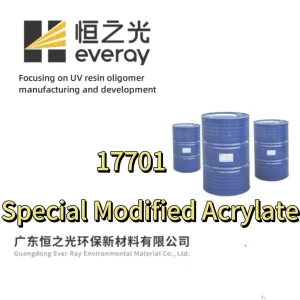
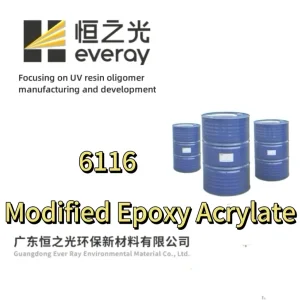
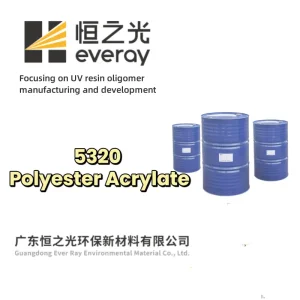
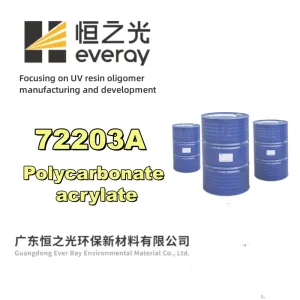
Understanding the structural interplay between ester linkages, urethane hydrogen bonding, and acrylate functionality for industrial performance optimization.
In the domain of synthetic macromolecular chemistry, polyester urethanes represent a highly versatile class of polymers, combining the robust mechanical strength of urethane linkages with the internal flexibility and wetting characteristics of polyester polyols. When modified into radiation-curable systems—specifically Polyester Urethane Acrylates (PUAs)—these resins become the structural backbone of high-performance UV/EB curable coatings, printing inks, structural adhesives, and advanced 3D photopolymer resins.
Derived from polycondensation reactions of dicarboxylic acids (e.g., adipic acid, phthalic anhydride) and polyhydric alcohols. Polyester soft segments impart superior intrinsic flexibility, chemical solvency, pigment dispersion wetting, and exceptional tensile elongation to cured films.
Formed via reactions between aliphatic (e.g., IPDI, HDI) or aromatic (e.g., TDI, MDI) diisocyanates and hydroxyl groups. The secondary amine (-NH-COO-) groups generate strong intermolecular hydrogen bonding, conferring high tensile strength, Shore D hardness, and abrasion resistance.
Acrylation via hydroxyethyl acrylate (HEA) or hydroxypropyl acrylate (HPA) installs terminal double bonds. Upon UV exposure in the presence of photoinitiators, rapid radical polymerization creates a dense 3D thermoset network within milliseconds.
While polyether-based urethanes exhibit superior hydrolytic stability under continuous immersion, polyester urethanes excel in mechanical shear resistance, oil/solvent barrier performance, UV gloss retention, and interfacial adhesion to metallic and polar polymeric substrates. By precisely controlling the NCO/OH stoichiometry and polyester polyol molecular weight ($M_n = 800 - 3000 \text{ g/mol}$), premier manufacturers tailor resins ranging from ultra-flexible elastomers with $300\%$ elongation to glass-hard protective topcoats exhibiting $4\text{H}$ pencil hardness.
Quantitative trends driving the transition toward high-efficiency, sustainable UV-curable polyurethane materials across Western and Asian industrial hubs.
The global market for polyurethane resins and specialty acrylate oligomers is undergoing a profound structural shift. Pushed by stringent environmental mandates (such as the EU REACH annexes, VOC limits under US EPA Method 24, and China's GB/T 38597-2020 regulatory framework), industrial end-users are rapidly replacing traditional solvent-borne two-component (2K) polyurethane systems with 100% solids UV-curable polyester urethane acrylates and waterborne polyurethane dispersions (PUDs).
While North American and European enterprises lead in standard-setting and regulatory compliance audits, the manufacturing gravity for core oligomers has consolidated in East Asia. Modern buyers prioritize chemical vendors offering integrated synthetic capabilities, robust technical documentation (TDS, SDS under GHS Rev.8, COA), and guaranteed batch-to-batch consistency.
Why leading global chemical distributors and coaters partner with modern, vertically integrated manufacturing bases in Guangdong, China.
China hosts the world’s largest production clusters for essential precursors including Adipic Acid, Isophorone Diisocyanate (IPDI), Toluene Diisocyanate (TDI), Hydroxyethyl Methacrylate (HEMA), and acrylic acid monomers. Direct access to raw materials eliminates cross-border logistics tariffs and stabilizes procurement pricing.
Modern manufacturing plants operate continuous Distributed Control Systems (DCS) monitoring temperature ramp rates ($\pm 0.5^\circ\text{C}$), vacuum condensation levels, and residual NCO group conversion via inline FTIR spectroscopy, assuring absolute batch uniformity across 10-ton reactor lots.
Unlike rigid Western multinational conglomerates with multi-month custom synthesis lead times, premier Chinese manufacturers deliver targeted polymer modifications (adjusting viscosity, Tg, refractive index, or double-bond functionality) within 14–21 business days.
| Evaluation Metric | China Direct Manufacturer (e.g., EVER RAY) | Traditional Tier-1 Global Traders |
|---|---|---|
| Commercial Scale & Capacity | 40,000+ m² plant area; 10+ dedicated automated synthesis lines | Fragmented outsourced toll-manufacturing sites |
| Lead Time for Custom Oligomer Synthesis | 2 to 3 weeks (Pilot batch to bulk execution) | 12 to 16 weeks (Complex global corporate approval) |
| Cost Structural Efficiency | Direct-from-factory pricing; zero intermediary brokerage margin | 30% - 50% premium due to brand markup and multi-tier distribution |
| Quality Control Systems | 100% lot-by-lot GPC, HPLC, Viscometry & Xenon test verification | Sample-based statistical batch audits |
| Regulatory Documentation | Full SDS (GHS), REACH registration dossiers, RoHS, SVHC reports | Standard safety sheets; customized regulatory support billed separately |
How specialized polyester urethane acrylates solve technical bottleneck challenges across diverse high-value market sectors.
Polycarbonate (PC) and PMMA enclosures require extreme scratch resistance ($>3\text{H}$ steel wool abrasion test) coupled with soft-touch tactile aesthetics. Aliphatic polyester urethane acrylates modified with fluorine or siloxane moieties deliver smudge resistance, anti-fingerprint properties, and non-yellowing longevity.
Interior dashboards, steering wheels, and exterior piano-black pillars call for coatings resisting high thermal shock ($-40^\circ\text{C}$ to $+85^\circ\text{C}$ cycling) and chemical exposure (sunscreen, cleaning agents). Polyester PUA resins ensure crack-free flexibility and superior adhesion retention.
Fast print runs on non-absorbent plastic films (PET, BOPP, PVC) require oligomers with outstanding pigment wetting and water-ink balance. Polyester acrylate resins reduce ink misting at $600\text{ m/min}$ line speeds while maintaining high gloss and chemical resistance against alcohol rubs.
Photopolymer formulations for industrial prototyping and functional end-use parts leverage hyperbranched polyester urethanes to minimize volumetric curing shrinkage ($\Delta V < 3\%$) while achieving high heat deflection temperatures (HDT) and tough, impact-resistant mechanical profiles.
From Luxury Vinyl Tile (LVT) flooring to solid wood furniture, UV-curable polyester polyurethane sealers offer rapid sanding capability, deep grain penetration, and superior Taber abrasion resistance ($<20\text{ mg}$ weight loss per 1000 cycles under CS-10 wheels).
Achieving mirror-like metallization on cosmetics packaging demands high-level leveling, low outgassing, and thermal cycle adhesion to aluminum/chromium physical vapor deposition (PVD) layers. Polycarbonate acrylates and modified epoxy acrylates deliver non-flaking reliability.
Key R&D frontiers transforming polyester urethane manufacturing: Bio-based polyols, waterborne PUDs, LED long-wave cure, and dual-cure mechanisms.
To satisfy scope 3 carbon reduction targets established by international OEMs, R&D teams are replacing petroleum-derived adipic acid and glycols with bio-based succinic acid, dimer fatty acids, and 1,3-propanediol (PDO) derived from renewable biomass fermentations. Modern bio-content polyester polyurethane acrylates preserve identical mechanical strength while achieving up to 45–60% certified bio-based carbon ratios (ASTM D6866).
Answering the zero-VOC challenge, waterborne PUDs incorporate ionic hydrophilic groups (such as dimethylolpropionic acid, DMPA) directly into the polyester urethane backbone. These dispersions combine the easy water-dilution and low viscosity of latexes with the ultra-fast crosslinking speed of UV energy, making them ideal for leather finishing, wood coatings, and thermoformable plastic films.
The global phase-out of medium-pressure mercury arc lamps in favor of energy-efficient UV-LED curing requires modified oligomer structures with high reactivity under longer UV wavelengths. Polyurethane acrylates incorporating amine synergists or self-initiating polymeric moieties eliminate surface tack caused by atmospheric oxygen inhibition without requiring nitrogen inerting chambers.
For complex 3D geometric components with shadowed zones unexposed to direct UV light, dual-cure polyurethane resins feature secondary functional groups (e.g., residual NCO for moisture cure, or latent epoxy/alkoxy-silane groups for thermal post-bake). This ensures complete, uniform mechanical property development across all hidden recessed areas.
A structured framework for chemical sourcing directors and senior laboratory managers qualifying polyester urethane suppliers.
Procuring specialty resin intermediates requires systematic risk mitigation. Sourcing managers must look beyond unit price per kilogram and evaluate full supply chain transparency, technical documentation rigor, regulatory compliance, and contingency logistics support.
Expert technical answers addressing formulation challenges, resin selection, and supply logistics.
Epoxy acrylates offer extremely fast cure speed, high hardness, and lower raw material cost, but suffer from high brittleness, volumetric shrinkage, and poor exterior weatherability (yellowing under sunlight). In contrast, Polyester Urethane Acrylates (PUAs) provide superior film flexibility, outstanding impact resistance, anti-yellowing longevity (when synthesized with aliphatic diisocyanates like IPDI), and strong adhesion to difficult non-polar substrates.
Branched polyester polyols increase resin functionality and crosslink density, raising chemical resistance and Shore D hardness but increasing viscosity. Linear polyester backbones yield lower viscosity oligomers with enhanced tensile elongation and flexibility. Selecting reactive diluent monomers (such as TPGDA, TMPTA, or HDDA) further lowers formulation viscosity for specific application methods like spraying, curtain coating, or flexographic printing.
Yes. Supported by over 10 invention and utility patents and an in-house R&D team of polymer chemists, EVER RAY routinely customizes polyester molecular weight, isocyanate structure (aliphatic vs. aromatic), acrylate functionality, and viscosity profiles to meet precise customer substrate requirements (e.g., glass, metal, treated polyolefins, or flexible PVC).
Every production batch undergoes mandatory Quality Control audits: Viscosity (Brookfield), Gardner Color Index, Acid Value titration, Residual NCO infrared analysis, Density, and application film testing (Cross-hatch adhesion ASTM D3359, Pencil Hardness, Gloss at $60^\circ$, and MEK double rubs). A comprehensive COA accompanies all shipments.
Resins should be stored in original sealed containers away from direct sunlight, UV radiation sources, and elevated temperatures (ideal storage temperature: $10^\circ\text{C}$ to $30^\circ\text{C}$). Under these conditions, stabilized polyester urethane acrylate oligomers retain a shelf life of 12 months from the date of manufacture without premature gelation or viscosity drift.
Advanced functional oligomers engineered for 3D photopolymers, flexo inks, electroplating primers, and low-odor varnishes.