Explore our core, laboratory-tested polyurethane acrylate and modified epoxy acrylate resin formulations designed for industrial precision, rapid curing, and extreme durability.
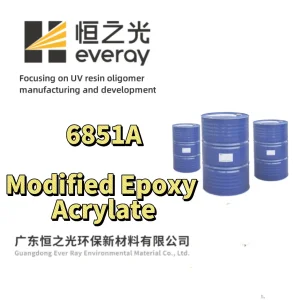
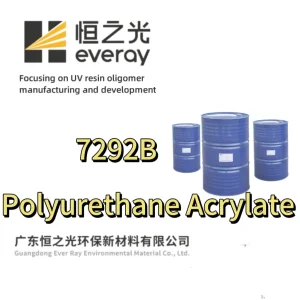
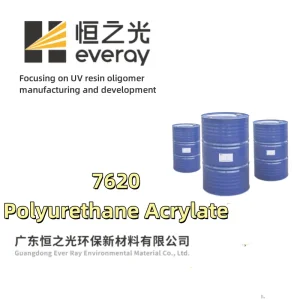
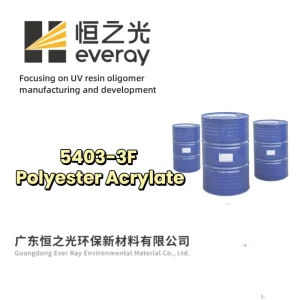
Bridging the Gap Between Mechanical Hardness, Dynamic Flexibility, and Ultra-Fast Free-Radical Photopolymerization.
In modern industrial polymer chemistry, the demand for high-performance surface treatments, structural bonding adhesives, functional inks, and additive manufacturing resins has forced a fundamental evolution from standard thermal-cure epoxies to high-speed Ultraviolet (UV) and Electron Beam (EB) curable oligomers. Among these, Polyurethane Acrylate (PUA) and Epoxy Acrylate (EA) systems represent the absolute peak of modern formulation chemistry.
While standard Epoxy Resins offer exceptional tensile strength, chemical inertness, and substrate adhesion, they naturally exhibit inherent brittleness and a tendency to yellow under long-term solar ultraviolet exposure (solarization). Conversely, Polyurethane Acrylates provide unmatched elastomeric toughness, abrasion resistance, non-yellowing weatherability, and tailored elongation. By deploying state-of-the-art chemical synthesis—specifically modifying epoxy backbones with acrylic acid and coupling aliphatic or aromatic isocyanates with polyols—chemical engineers can formulate customized Polyurethane Epoxy Acrylate Hybrid Resins that yield superior material characteristics.
This comprehensive technical whitepaper addresses the operational needs of global B2B chemical purchasers, formulators, and manufacturing directors seeking verified, factory-direct sourcing of industrial-grade oligomers from China’s leading production hubs.
Why top-tier chemical brands and international procurement teams are shifting toward direct synthesis partnerships in China.
China operates the world's most concentrated chemical upstream infrastructure. Sourcing core building blocks—such as Isophorone Diisocyanate (IPDI), Hexamethylene Diisocyanate (HDI), Bisphenol A (BPA), Acrylic Acid, and diverse Polyols—directly within local industrial corridors eliminates severe ocean logistics delays and raw material price spikes.
Modern Chinese chemical plants have transitioned from legacy batch processing to fully automated DCS (Distributed Control Systems) and PLC-monitored continuous reactor loops. This ensures that parameters like acrylic double-bond conversion rates, acid numbers (<1.0 mg KOH/g), and Gardner color standards (<0.5) remain absolute from pilot samples to 20-ton ISO tank shipments.
Unlike rigid Western conglomerates burdened by multi-month R&D review cycles, leading Chinese factories provide high-speed R&D customization. Whether your application demands a specific viscosity window (e.g., 2,000 to 120,000 mPa.s at 25°C), targeted refractive index adjustments, or reduced skin irritation profiles, custom oligomer synthesis can be executed in weeks.
Key technical paradigm shifts driving the next decade of sustainable, ultra-fast curing materials.
Traditional high-pressure mercury lamps (emitting broad spectrums including thermal IR and deep UV-C) are rapidly being phased out worldwide due to energy inefficiency and mercury contamination concerns (Minamata Convention). Modern resin research prioritizes 365nm to 395nm LED-UV wavelength compatibility, engineering oligomers with enhanced surface cure sensitivity and minimal oxygen inhibition.
ESG mandates and strict carbon reduction goals require resin manufacturers to substitute fossil-derived polyols with renewable carbon sources. Modern polyurethane acrylate formulations integrate soy-based polyols, cardanol-derived epoxy building blocks, and bio-succinic acid, achieving up to 40%–60% bio-based carbon content without compromising mechanical hardness or chemical resistance.
To eliminate hazardous Volatile Organic Compounds (VOCs) and monomer odor in sensitive applications (food packaging, indoor wood coatings, cosmetic gels), Waterborne Polyurethane Acrylate Dispersions have emerged. These systems utilize water as a reactive diluent, achieving zero-VOC compliance while curing to solvent-resistant, high-gloss polyurethane films upon water evaporation and UV irradiation.
Stereolithography and Digital Light Processing 3D printing require resins with minimal volumetric shrinkage during polymerization. Hyperbranched polyol backbones combined with sterically hindered urethane acrylate oligomers reduce cure strain, eliminating micro-warping, curl factor, and residual stress in additive manufacturing resins.
Cross-sector engineering matrix matching specific oligomer chemical structures to severe end-use requirements.
| Target Sector | Primary Technical Challenge | Optimal Oligomer Solution | Performance Metrics Achieved |
|---|---|---|---|
| 3C Consumer Electronics (Smartphones, Laptops, Wearables) | High scratch resistance on polycarbonate (PC/PMMA) combined with sweat and cosmetic resistance. | High-functionality (6-functional to 9-functional) Aliphatic Polyurethane Acrylate. | Pencil Hardness ≥ 4H; Steel wool test > 2,500 cycles; ΔE < 0.5 under UV exposure. |
| Automotive OEM & Refinish | Extreme weatherability, stone-chip impact resistance, thermal cycle resistance (-40°C to 120°C). | Aliphatic Isophorone Diisocyanate (IPDI) based Urethane Acrylate. | Flexibility 180° Bend Passed; QUVA testing > 1,500 hours without chalking or cracking. |
| UV Vacuum Electroplating | Poor adhesion to metal vaporized layers, heat discoloration, and intercoat adhesion failure. | Specialty Modified Epoxy Acrylate Primer & Topcoat Oligomer (e.g., Model 7620). | 100% Cross-hatch adhesion (0B/5B standard); High mirror gloss retention; Thermal stability. |
| Industrial UV Adhesives & Optical Bonding | Shrinkage stress leading to glass micro-fractures; yellowing of optical clear adhesives (LOCA). | Low-shrinkage Pure Acrylate & Flexible Polyurethane Oligomers (Model 1762). | Shrinkage < 1.2%; Transmittance > 99%; High shear/lap strength on glass, metal, and PVC. |
| Commercial UV Inks & OPV | High-speed print press misting, poor pigment wetting, oxygen surface inhibition. | Polyester Acrylate & Amine-Modified Epoxy Acrylate (Model 5403-3F / 5335F). | Optimal water-ink balance; Fast cure > 80 m/min; Low odor and non-migratory profiles. |
| Cosmetic Nail Gel Polishes | Skin irritation, high exothermic heat spike during LED cure, solvent soak-off ease. | Low-monomer, High-flexibility Aliphatic Polyurethane Acrylate Oligomer. | Exotherm < 40°C; Fast acetone soak-off; High gloss retention > 21 days; Low allergy profile. |
De-risking foreign procurement through stringent chemical auditing, safety verification, and standardized logistics.
Every industrial chemical order delivered by a professional factory must be accompanied by comprehensive testing dossiers. Buyers must ensure suppliers deliver fully validated Technical Data Sheets (TDS), GHS-compliant 16-section Safety Data Sheets (SDS), and batch-specific Certificates of Analysis (COA) documenting precise viscosity, acid value, density, refractive index, and residual monomer levels.
Target markets require continuous regulatory compliance. Elite Chinese manufacturers maintain proactive chemical registration workflows, ensuring compliance with EU REACH, US TSCA, Korea K-REACH, and China IECSC protocols. In addition, oligomers manufactured for electronics must undergo third-party testing for RoHS 3.0 and REACH SVHC (Substances of Very High Concern) exclusions.
UV-curable acrylic oligomers are heat-sensitive and free-radical active chemicals requiring strict thermal stability controls during sea transit. Quality-focused plants ship via UV-blocking HDPE drums, steel drums with phenolic inner linings, or temperature-monitored ISO tanks. Stabilizers (such as MEHQ) are precisely dosed to guarantee a minimum shelf-life of 12 months at ambient storage (15°C–25°C).
Expert technical insights answering real-world formulation questions regarding Polyurethane & Epoxy Acrylate Oligomers.
Select from our extended lineup of high-durability, low-shrinkage, and solvent-resistant oligomers engineered for specialized substrate bonding and surface finishing.