Industrial Chemical Engineering White Paper

High-Quality Resin Manufacturer Manufacturers & Suppliers

Global B2B Sourcing Guide, Molecular Photopolymer Engineering, Technical Roadmap & Commercial Synthetic Solutions

Featured Specialty Resin Formulations

Precision-engineered UV oligomers, aromatic acrylates, and functional polymers formulated for extreme durability, fast reactivity, and superior substrate adhesion.
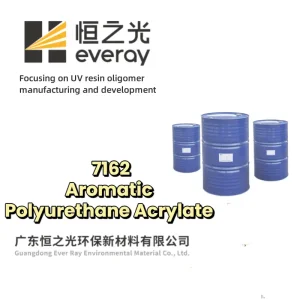
Wholesale Aromatic PA UV-resin 7162 for Plastic Spray-coatings, wood-finishes and UV-inks Supplier, Products

Wholesale Aromatic PA UV-resin 7162 for Plastic Spray-coatings, wood-finishes and UV-inks Supplier, Products

View Product Details →
High-Quality Enhance UV coating using the antifouling function of 1291B-1 Manufacturer, Products

High-Quality Enhance UV coating using the antifouling function of 1291B-1 Manufacturer, Products

View Product Details →
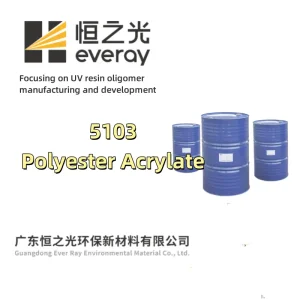
High-Quality Fast-reacting 5103 polyester acrylate UV resin, very suitable for plastic coatings Manufacturer, Product

High-Quality Fast-reacting 5103 polyester acrylate UV resin, very suitable for plastic coatings Manufacturer, Product

View Product Details →
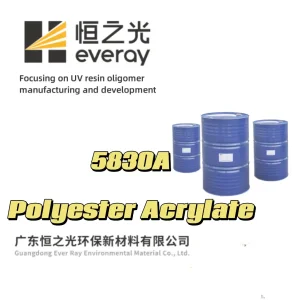
High-Quality 5830A High Hydroxyl Polyester Acrylate Resin for UV Coatings with Superior Water Boiling Resistance, High Leveling & Fullness Factory, Factories

High-Quality 5830A High Hydroxyl Polyester Acrylate Resin for UV Coatings with Superior Water Boiling Resistance, High Leveling & Fullness Factory, Factories

View Product Details →
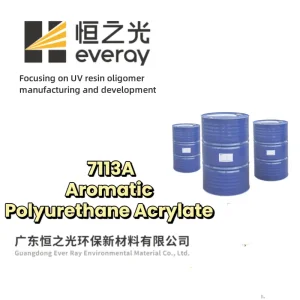
Wholesale Aromatic PA UV-resin 7113A for UV Vacuum-metallization and Plastic-coating Supplier, Factory

Wholesale Aromatic PA UV-resin 7113A for UV Vacuum-metallization and Plastic-coating Supplier, Factory

View Product Details →
Wholesale Low Shrinkage High Flexibility UV Curing Polyurethane Acrylate Resin for Nail Gel, Leather and Wood Manufacturer, Products

Wholesale Low Shrinkage High Flexibility UV Curing Polyurethane Acrylate Resin for Nail Gel, Leather and Wood Manufacturer, Products

View Product Details →
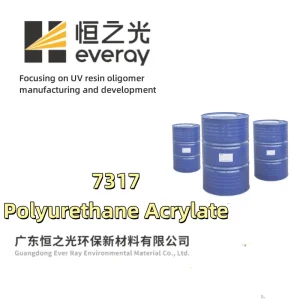
Wholesale 7317 UV resin professional in UV ink-wrinkle and snowflake effects Supplier, Factories

Wholesale 7317 UV resin professional in UV ink-wrinkle and snowflake effects Supplier, Factories

View Product Details →

1. Global Macro-Industry Landscape & Synthetic Resin Manufacturing Trends

An authoritative analysis of photopolymer innovation, global supply chain dynamics, and regulatory pressure driving the polymer resin industry.

The global synthetic resin manufacturing ecosystem is undergoing an unprecedented structural shift. Historically dependent on solvent-borne, commodity thermosetting resins, modern industrial procurement teams in automotive, microelectronics, graphic arts, and advanced manufacturing are aggressively transitioning toward energy-curable photopolymers (UV/EB), waterborne polyurethane dispersions (PUDs), and high-solid modified acrylic resins. This transition is not merely driven by environmental regulations such as the EU REACH Annex XVII amendments or US EPA VOC limits; it is fundamentally propelled by the demand for sub-second cycle times, micro-scale curing control, and exceptional physical durability under extreme thermal and mechanical stresses.

$18.4B
Global UV Resin Market by 2030
<0.1s
Average LED-UV Photopolymerization Time
99.5%
VOC Emission Reduction vs. Solvents
10+
Patented Oligomer Synthetic Routes

Shift from Commodity Polymers to Molecularly Engineered Oligomers

A high-quality resin manufacturer can no longer operate solely as a batch mixing facility. Tier-1 industrial buyers require precision synthesis where molecular weight distribution (Mw/Mn polydispersity), backbone elasticity, double-bond density (functionality), and photo-bleaching characteristics are engineered at the angstrom level. Modern synthetic chemistry integrates specialized oligomeric building blocks:

  • Aliphatic Polyurethane Acrylates (Aliphatic PUA): Synthesized using Isophorone Diisocyanate (IPDI) or Hexamethylene Diisocyanate (HDI), delivering long-term weatherability, non-yellowing characteristics, and superior elongation for flexible substrate coatings.
  • Aromatic Polyurethane Acrylates (Aromatic PUA): Based on Toluene Diisocyanate (TDI) or Methylene Diphenyl Diisocyanate (MDI), providing extraordinary tensile strength, abrasion resistance, and cost-efficient hardness for interior wood and industrial floor coatings.
  • Bisphenol A & Novolac Epoxy Acrylates: Engineered for rapid double-bond conversion, maximum chemical inertness, and ultra-high surface hardness (up to 4H Pencil Hardness) for protective optical film primers and printed circuit board (PCB) soldermasks.
  • Specialty Functional Acrylate Monomers & Hyperbranched Oligomers: Incorporating hyper-branched architectures to dramatically depress viscosity without adding volatile organic solvents, maintaining low volumetric shrinkage (<1.5%).
Resin Chemistry Class Cure Speed (mJ/cm²) Pencil Hardness Flexibility / Elongation Yellowing Index (ΔYI) Primary Industrial Applications
Aliphatic Urethane Acrylate 150 – 300 2H – 4H High (20% – 180%) Ultra-Low (<1.0) 3C Mobile Housings, Automotive Exterior, UV Nail Gel
Aromatic Urethane Acrylate 100 – 200 3H – 5H Moderate (5% – 40%) Moderate (3.5 – 7.0) Vacuum Electroplating Topcoats, Wood Flooring, OPV
Bisphenol A Epoxy Acrylate 50 – 120 4H – 6H Low (<5%) High (>8.0) Overprint Varnishes (OPV), Plastic Spray Coatings, Paper Inks
Polyester Acrylate Oligomer 80 – 180 H – 3H High Flexibility Low to Moderate UV Offset Printing Inks, Lithographic Packaging, Pigment Wetting
Hyperbranched Acrylate 40 – 90 5H+ Controlled Rigidity Low 3D Printing (SLA/DLP), Ultra-Fast Hard Coatings, Low-Viscosity Dilution

2. Industrial Procurement Intent & Substrate-Specific Selection Framework

Translating end-use engineering criteria into rigorous polymer specifications for procurement directors and technical formulators.

Rheological Control & Viscosity Profile

Viscosity stability across temperature shear curves (Brookfield rotational testing at 25°C) determines application efficiency. Formulators select low-viscosity modified acrylates to eliminate monomer diluent toxicity while achieving optimal levelling.

Volumetric Shrinkage & Interlayer Adhesion

Acrylic polymerization inherent in UV curing can cause 5–15% volumetric shrinkage, leading to cross-hatch tape peel failure on metals, glass, or non-polar plastics (PP/PE). Low-shrinkage PUA oligomers utilize hydrogen bonding to maintain 5B adhesion.

Curing Kinetics & Oxygen Inhibition Resistance

Free-radical photopolymerization is prone to surface tacky layer formation caused by atmospheric oxygen scavenging radicals. Incorporating amine-modified acrylate synergists or active tertiary amines effectively overcomes oxygen inhibition under ambient air.

Procurement Engineering Tip: Mitigating Interfacial Stress in Multi-Layer UV Coating Systems

When engineering vacuum electroplating primers (such as Grade 7620 or 7113A), formulators must strike a subtle kinetic balance: the basecoat resin must achieve a 75-80% double bond conversion to ensure sufficient unreacted acrylate groups remain at the surface. This allows covalent cross-linking with subsequent metal vapor deposition layers and UV clear topcoats, preventing inter-layer delamination during thermal shock cycling (-40°C to +85°C).

3. Molecular Engineering & Next-Generation Synthetic Technology Roadmap

Inside the laboratory: How structural modification, bio-based monomer integration, and dual-cure mechanisms re-shape modern polymer capabilities.

3.1 Tailored Polyurethane Acrylate (PUA) Microarchitecture

The performance of a polyurethane acrylate oligomer is primarily dictated by its soft-segment diol backbone (polyether, polyester, polycarbonate, or polybutadiene) and hard-segment diisocyanate configuration. By engineering polycarbonate-diol based PUA resins, synthetic chemists achieve ultra-hydrophobic properties, preventing hydrolysis degradation during prolonged boiling water immersion tests—a essential requirement for high-end optical glass coatings and electronic encapsulants.

3.2 LED-UV Wavelength Matching (365nm / 385nm / 395nm)

The industrial phase-out of medium-pressure mercury arc lamps in favor of energy-efficient LED-UV curing equipment presents significant photochemical challenges. Mercury lamps emit broad-spectrum UV-C rays (200-280nm) that drive superficial surface curing, whereas LED systems emit concentrated long-wave UV-A light (365-395nm). High-quality resin manufacturers address this gap by modifying resin backbones with built-in photo-sensitizing chromophores and co-reacting active amine synergists, allowing complete surface-to-substrate curing at lower irradiance levels.

PHASE 01

Monomer Synthesis

High-purity diisocyanate reacting with hydroxyl-functional acrylates under inert gas nitrogen blanket.

PHASE 02

Backbone Modification

Incorporating siloxane or fluorinated side-chains to depress surface tension (<22 mN/m) for antifouling performance.

PHASE 03

Oligomer Stabilization

Addition of sterically hindered phenol antioxidants (BHT-free options available) to ensure 12-month shelf-life stability.

PHASE 04

Analytical QC Audit

FTIR double-bond titration, GPC molecular weight verification, and rotational rheometry quality release.

3.3 Dual-Cure Mechanisms for Shadow Area Polymerization

In complex 3D electronic assemblies or opaque automotive interior components, line-of-sight UV light cannot penetrate shadowed geometries. Advanced synthetic resin manufacturers develop dual-cure hybrid polymer matrix platforms combining free-radical UV photopolymerization with moisture-curing alkoxysilane or thermal-curing epoxide chemistry. The primary UV flash locks the component dimensions in seconds, while the secondary thermal or ambient moisture mechanism completes cross-linking in shadowed micro-crevices over 24 hours.

4. Industrial Application Matrices & Turnkey Resin Solutions

High-efficiency resin solutions formulated for specialized processing windows across key global manufacturing sectors.

Electronics & Vacuum Metallization

3C Mobile & Automotive Vacuum Electroplating

Utilizing high-leveling, fast-reacting aromatic PUA resins (such as 7620 & 7113A) to provide mirror-like surface smoothness, high mirror reflectivity preservation, and thermal resistance against aluminum/chromium thermal evaporation deposition.

Graphic Arts & Packaging Inks

UV Printing Inks, OPV & Special Effects

Specialty resins engineered for rapid lithographic and flexographic ink transfer. Formulation grades like 7317 yield controlled surface tension collapse to produce durable, tactile texture effects such as tactile leather-feel, wrinkle, and snowflake patterns.

Industrial & Functional Coatings

Antifouling, Scratch-Resistant & Easy-Clean Surfaces

Incorporating silicone-modified and fluorinated acrylic oligomers (such as 1291B-1) that migrate to the coat-air interface during curing, producing contact angles >105° for marker-resistance, anti-fingerprint, and anti-graffiti finishes.

5. Regulatory Compliance, Quality Assurance & Global Supply Reliability

Navigating complex international chemical inventory laws while ensuring unbroken raw material supply chain security.

For multinational chemical distributors and Tier-1 end-use formulators, raw material supplier compliance is a non-negotiable prerequisite. Quality synthetic resin manufacturers operate fully integrated Quality Management Systems conforming to ISO 9001:2015 and Environmental Management Systems according to ISO 14001:2015.

5.1 International Regulatory Dossier Availability

Every commercial batch supplied is accompanied by comprehensive documentation compliant with target export jurisdictions:

  • EU REACH Registration: Pre-registered and fully registered oligomers ensuring compliant importation into all European Union member states. Free of SVHC (Substances of Very High Concern).
  • TSCA & DSL Inventory Listing: Compliance with the United States Toxic Substances Control Act and Canadian Domestic Substances List.
  • Low Residual Monomer & Low Odor Standards: Ultra-purification techniques reducing unreacted acrylic acid and volatile residual monomers to <100 ppm, essential for cosmetic nail gel (Low Shrinkage PUA) and sensitive consumer packaging applications.
  • RoHS 3 & Halogen-Free Declarations: Strict exclusion of heavy metals (Pb, Cd, Hg, Cr VI) and polybrominated biphenyls according to Directive (EU) 2015/863.

5.2 Total Quality Control (TQC) Analytical Suite

To eliminate batch-to-batch variation, raw material inputs (isocyanates, polyols, acrylate monomers) and finished oligomer batches undergo stringent testing protocols inside state-of-the-art analytical testing laboratories:

Analytical Equipment Parameter Monitored Quality Assurance Threshold
Gel Permeation Chromatography (GPC) Molecular Weight (Mw, Mn) & Polydispersity (PDI) Target Mw ±3.0%, PDI Tight Control
Fourier-Transform Infrared (FTIR) NCO Group Consumption & Acrylate Double Bond Density Zero Residual Isocyanate NCO Peak at 2270 cm⁻¹
Rotational Cone-Plate Viscometer Dynamic Viscosity (mPa.s / cPs at 25°C & 50°C) Stated Spec ±5.0% Brookfield Standard
Gardner / APHA Colorimeter Yellowness Index & Color Clarity Gardner Color < 1.0 (Aliphatic Grades)

6. Frequently Asked Technical & Procurement Questions (FAQ)

Direct technical answers addressing formulation challenges, bulk sourcing, customization, and chemical storage requirements.

Q1: What is the primary functional difference between Aromatic PUA and Aliphatic PUA UV resins?
Aromatic Polyurethane Acrylates (PUA) are synthesized using aromatic diisocyanates like TDI or MDI, providing fast cure speed, high surface hardness, and superior abrasion resistance at an economical cost point. However, they are prone to UV photo-yellowing over time. Aliphatic PUAs utilize IPDI or HDI backbones, which are entirely free of aromatic ring conjugated structures, delivering exceptional long-term non-yellowing performance, weatherability, and flexible elongation suitable for exterior coatings, 3C device housings, and UV nail gel polish.
Q2: How can formulators reduce volume shrinkage and prevent cross-hatch tape adhesion failure?
High volumetric shrinkage occurs as covalent double bonds (C=C) convert into single bonds (C-C), reducing intermolecular distance. To resolve adhesion failure on challenging substrates like untreated metal, glass, or non-polar plastics (PET, PC, PMMA), formulators should introduce low-shrinkage PUA resins, pure acrylic oligomers with low cross-linking density, or phosphate ester modified acrylate adhesion promoters. Incorporating 10–25% of a flexible, low-functionality oligomer significantly relaxes internal film stress.
Q3: What mechanisms prevent oxygen inhibition during surface curing under ambient air?
Oxygen inhibition can be mitigated by: (1) Adding amine-modified acrylate oligomers or active amine synergists, which undergo rapid hydrogen abstraction to scavenge peroxy radicals; (2) Increasing photoinitiator concentration or pairing Type I (norrish type I) photoinitiators with LED-UV long-wave sensitizers; (3) Formulating with hyperbranched acrylates that exhibit extremely high double-bond functionality, allowing rapid localized cross-linking before oxygen can diffuse into the top layer.
Q4: What resin selection is recommended for UV vacuum electroplating applications?
UV vacuum metallization requires a two-coat or three-coat system (Basecoat, Metallization, Topcoat). Resins like 7620 and 7113A are specially engineered for basecoats. They offer fast leveling to hide substrate defects, excellent adhesion to ABS/PC plastic substrates, low outgassing under high vacuum chambers (10⁻² to 10⁻⁴ Pa), and precise cure window control to maintain surface reactivity for metal layer adhesion.
Q5: Can customized resin modifications be developed for specialized viscosity or reactivity requirements?
Yes. As a direct-synthesis manufacturer, our R&D center offers custom polymer engineering services. We can adjust oligomer molecular weight, hydroxyl value, glass transition temperature (Tg), viscosity diluent ratios (using TPGDA, TMPTA, DPHA, or low-odor monomers), and refractive index to meet your specific application window.
Q6: How should high-viscosity UV resins be stored to ensure maximum shelf-life stability?
UV-curable resins should be stored in original, unopened high-density polyethylene (HDPE) black drums or metal drums lined with protective coatings. Storage temperatures should be maintained between 10°C and 30°C away from direct sunlight, artificial UV light sources, heat pipes, and strong oxidizing agents. Air headspace in the drum must be maintained, as dissolved oxygen acts as a natural radical stabilizer. Under proper conditions, shelf life is guaranteed for 12 months from manufacturing date.
Q7: What is the typical lead time for international bulk container shipments?
Standard inventory grades are dispatched within 3 to 5 business days from order confirmation. Custom modified batches or full 20ft/40ft container orders typically carry a manufacturing lead time of 10 to 14 business days. Ocean freight documentation (MSDS, COA, Bill of Lading, Certificate of Origin) is provided synchronously for swift customs clearance.
Q8: How does Grade 1291B-1 achieve durable antifouling and anti-fingerprint surface properties?
Grade 1291B-1 incorporates perfluoropolyether (PFPE) or polysiloxane functional segments grafted directly onto the acrylic polymer chain. During wet film application, these low-surface-energy segments automatically migrate to the coating surface before UV exposure. Upon cross-linking under UV light, the low-surface-energy moieties become permanently anchored into the 3D polymer matrix, delivering a hydrophobic surface (water contact angle >105°) and oleophobic finish that repels oils, inks, and fingerprints.
Q9: What resin characteristics are necessary for high boiling-water resistance in UV glass finishes?
Boiling water resistance (e.g., Grade 5830A) requires a resin with high hydroxyl content and dense cross-linking network that resists hydrolytic cleavage. Combining high-hydroxyl polyester acrylate with silane coupling agents (such as gamma-methacryloxypropyltrimethoxysilane) establishes covalent Si-O-Si bonds at the glass interface, preventing water molecule migration and film blistering even after 2 to 4 hours of continuous boiling water immersion testing.
Q10: Are low-VOC waterborne UV dispersions available for eco-friendly wood and leather coatings?
Yes. Waterborne polyurethane acrylate (WPUA) dispersions emulsify polyurethane acrylate chains inside an aqueous phase using internal carboxylic salt groups. After water flash-off, the film cures rapidly under UV lamps, offering zero solvent odor, extremely low VOC content, zero monomer irritancy, and high flexibility ideal for natural leather finishing, luxury vinyl tile (LVT), and indoor architectural wood coatings.

Additional High-Performance Synthetic Resin Products

Explore our broader portfolio of modified acrylates, epoxy oligomers, potting resins, and specialized industrial coatings.
Buy 73008 Low-Shrinkage Polyurethane Acrylate Resin for Electronic Potting & Metal Coating | High Temp Anti-Yellowing UV Oligomer Manufacturers, Factory

Buy 73008 Low-Shrinkage Polyurethane Acrylate Resin for Electronic Potting & Metal Coating | High Temp Anti-Yellowing UV Oligomer Manufacturers, Factory

View Product Details →
Buy High Solid Low Viscosity Modified Acrylate Oligomer - High Elasticity UV Curable Acrylic Resin Suppliers, Factories

Buy High Solid Low Viscosity Modified Acrylate Oligomer - High Elasticity UV Curable Acrylic Resin Suppliers, Factories

View Product Details →
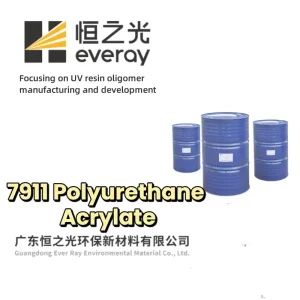
Buy Polyurethane Acrylate 7911 – The Ideal Choice for High-Performance UV Coatings! Supplier, Factories

Buy Polyurethane Acrylate 7911 – The Ideal Choice for High-Performance UV Coatings! Supplier, Factories

View Product Details →
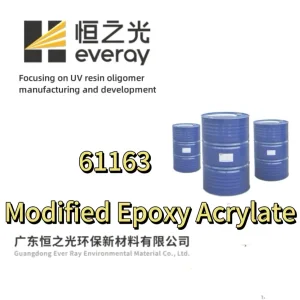
Wholesale 61163 High Solid Low Viscosity Anti-Yellowing Modified Epoxy Acrylate Resin For UV Coating Suppliers, Factory

Wholesale 61163 High Solid Low Viscosity Anti-Yellowing Modified Epoxy Acrylate Resin For UV Coating Suppliers, Factory

View Product Details →
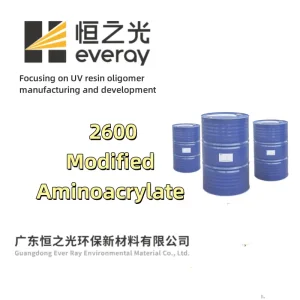
Wholesale Durable 2600UV resin: high hardness and excellent wear resistance, suitable for UV applications Suppliers, Factory

Wholesale Durable 2600UV resin: high hardness and excellent wear resistance, suitable for UV applications Suppliers, Factory

View Product Details →
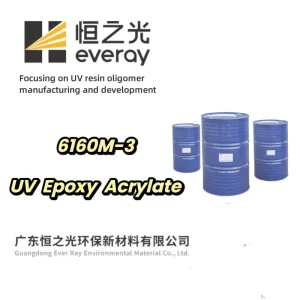
Wholesale 6160M-3: Fast curing modified epoxy acrylate for improved performance Manufacturer, Suppliers

Wholesale 6160M-3: Fast curing modified epoxy acrylate for improved performance Manufacturer, Suppliers

View Product Details →
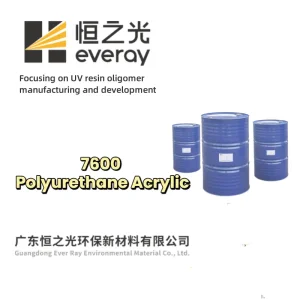
High-Quality Multifunctional 7600 polyurethane acrylate oligomer for UV coatings and inks Factory, Factories

High-Quality Multifunctional 7600 polyurethane acrylate oligomer for UV coatings and inks Factory, Factories

View Product Details →
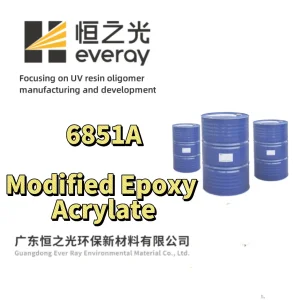
High-Quality 6851A High-Performance Modified Epoxy Acrylate Resin | For UV Coatings, Inks & Gel Polishes | High Transparency & Yellowing Resistance Suppliers, Products

High-Quality 6851A High-Performance Modified Epoxy Acrylate Resin | For UV Coatings, Inks & Gel Polishes | High Transparency & Yellowing Resistance Suppliers, Products

View Product Details →