Explore our high-reactivity prepolymers, modified epoxy acrylates, and aliphatic urethane oligomers engineered specifically for high-gloss, scratch-resistant, and chemically inert surface protection.
Decarbonization, stringent VOC limits, and line-speed optimization are driving rapid cross-sector migration toward 100% solids UV-curable polymer chemistries.
The global UV-curable resins market is expanding at a projected CAGR of 7.8% through 2030, led by high-performance aliphatic urethane acrylates (PUA) and specialized modified epoxy acrylates in consumer electronics and automotive interiors.
Global environmental mandates—including REACH annexes, EU solvent emission directives, and China's GB38508-2020 VOC limits—are forcing manufacturers to phase out solvent-based polyurethane liquid top coats in favor of radiation-curable systems.
Industrial lines demand near-instantaneous curing (under 2 seconds exposure). UV/LED curing slashes process cycle times by up to 80% and thermal footprint by 65% compared to traditional baking ovens.
How molecular weight distribution, cross-linking density, and functional backbone selection dictate mechanical and optical properties in cured top coat films.
A top coat is the primary interface between an engineered substrate and harsh physical environments. Achieving an ideal resin top coat requires precise synthesis control over prepolymer backbones. At Guangdong Ever Ray Environmental Material Co., Ltd., our chemical synthesis laboratory focuses on optimizing three primary chemistry platforms for top coat formulators:
Synthesized using non-yellowing isocyanate structures (such as IPDI or HDI), aliphatic PUAs deliver superior outdoor weatherability, non-yellowing characteristics (QUV testing > 1,000 hours), extreme flexibility, and elastic memory. Ideal for premium automotive finishes, 3C electronics, and optical films.
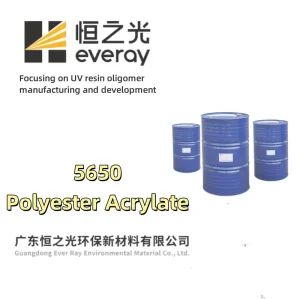
Derived from bisphenol-A or modified epoxy backbones, these oligomers yield maximum cross-linking density, high tensile strength, exceptional glass-like hardness (up to 4H–6H pencil hardness), and chemical resistance against acids, alkalis, and harsh industrial solvents.
Engineered for high functionality combined with remarkably low viscosity. These allow formulators to reduce reactive monomer diluents, minimizing volumetric shrinkage stress and eliminating oxygen inhibition on fast-moving industrial roller coater lines.
Tailored UV resin top coat formulations adapted to real-world industrial processing lines and environmental demands.
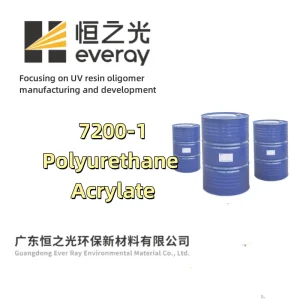
Used on PC, ABS, and PMMA housings for smartphones, laptops, and wearables. Formulations utilizing aliphatic PUA (like 7200-1) withstand 500+ cycles of steel wool abrasion and resist cosmetics, sweat, and UV yellowing.
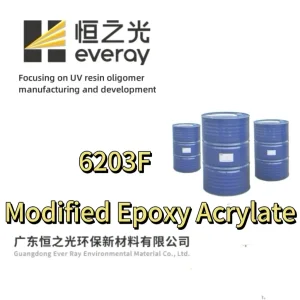
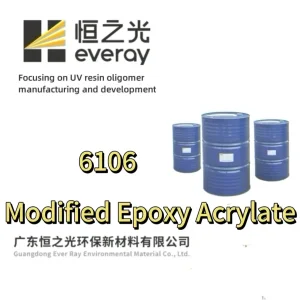
Applied via precision roller coaters on luxury hardwood and SPC flooring. Fast-curing epoxy acrylate oligomers (such as 6106 and 6203F) provide superior stain resistance against coffee, wine, and household chemicals.
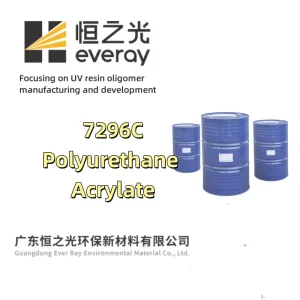
Specially refined, low-irritation aliphatic urethane acrylates (e.g., 7296C) formulated for gel polish top coats. Delivers mirror-like gloss, high flexibility to prevent chipping, and zero yellowing under LED curing lamps.
Substrates like piano-black trim parts require high tactile gloss and self-healing properties. Hexafunctional urethane acrylates provide deep scratch recovery and high thermal stability under automotive heat tests (85°C/85% RH).
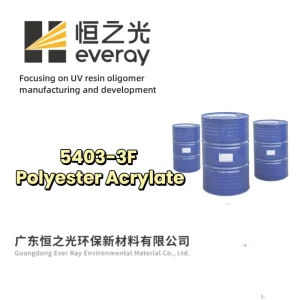
High-speed flexographic and offset print lines running at >200m/min require hyperbranched and polyester acrylates (5332F/5403-3F) that cure rapidly under low-energy LED lamps with minimal residual odor.
Glass and metal substrates suffer from poor organic adhesion due to high surface energy mismatch. Modified acrylate prepolymers containing carboxyl or phosphate functional groups ensure boil-water resistant bonding.
Pioneering green synthesis, bio-based monomer integration, and AI-accelerated molecular modeling for sustainable radiation-cured coatings.
Transitioning from petrochemical raw materials to plant-derived polyols (castor oil, soybean oil, lignin precursors) to produce bio-based PUA oligomers with bio-carbon contents exceeding 40–60%, drastically cutting lifecycle carbon emissions without sacrificing performance.
Traditional mercury vapor lamps generate intense heat and ozone. Our synthesis chemistry optimizes oligomer absorption windows and photoinitiator synergists to achieve complete surface dry curing under energy-efficient LED lamps at 395nm wavelength.
Developing hybrid resins combining UV-radical curing with moisture-cure or thermal-cure mechanisms. This solves shadow-curing limitations in complex 3D geometric components where direct UV light exposure is restricted.
Utilizing machine learning algorithms to simulate prepolymer molecular structure behavior, enabling customized oligomer development in weeks rather than months, matching targeted Tg, viscosity, and refractive index parameters precisely.
Vertical integration, state-of-the-art reactor capacities, and strict quality assurance from Guangdong, China to international ports.
As a direct manufacturer based in Guangdong, China—with our production headquarters located in Dawan Industrial Park, Yunfu—Guangdong Ever Ray Environmental Material Co., Ltd. provides a massive supply advantage to global chemical formulators.
Every batch produced at our Yunfu chemical park undergoes strict analytical testing prior to release:
Versatile oligomers engineered for specialty adhesives, 3D printing photopolymers, peelable temporary top coats, and high-solid low-viscosity formulations.
Complete chemical dossier support to simplify importation, environmental compliance, and factory audit processes for multinational buyers.
Every shipment is accompanied by lot-specific Certificates of Analysis, GHS-compliant Safety Data Sheets (SDS in 16 languages), and comprehensive Technical Data Sheets providing starting point formulations.
Our oligomers meet EU REACH registration criteria, RoHS heavy metal restrictions, TSCA (USA) inventory standards, and China National GB requirements, safeguarding your products against regulatory barriers.
Shipped in UN-certified 200kg steel drums, 1,000kg IBC totes, or 20kg sample pails. Equipped with temperature-monitored air/ocean logistics to guarantee oligomer stability during transpacific transit.
In-depth answers addressing top intent queries regarding resin top coat selection, formulation adjustment, and supplier qualification.
