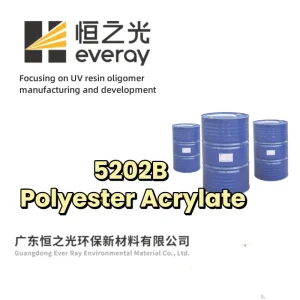
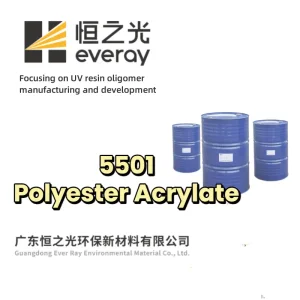
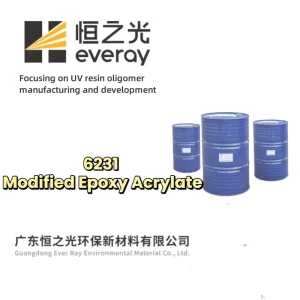
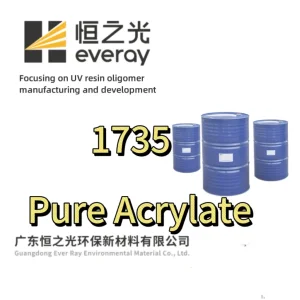
Featured oligomers and reactive polymers optimized for extreme scratch resistance, low shrinkage, high thermal stability, and superior multi-substrate adhesion.
Silicone epoxy hybrid polymers represent the pinnacle of modern material science, successfully fusing the unyielding adhesion and structural strength of epoxy resins with the chemical inertness, flexibility, and extreme thermal tolerance of organosilicones.
As microelectronics shrink, automotive electrification accelerates, and renewable energy infrastructure faces hostile ambient environments, conventional pure epoxy or pure silicone formulations fall short. Pure epoxy resins, while possessing exceptional tensile modulus and chemical resistance, suffer from high micro-brittleness, internal curing stress, and rapid thermal degradation above 180°C. Conversely, silicone polymers provide extraordinary thermo-oxidative stability (-60°C to +250°C) and low surface energy, yet lack mechanical shear strength and exhibit poor substrate adhesion without expensive primers.
By chemically synthesizing polysiloxane chains directly into the epoxy backbone (or co-reacting cycloaliphatic epoxy networks with silanol-terminated intermediates), chemical engineers create a synergetic matrix. This hybrid structure mitigates oxygen inhibition in radiation-cured formulations, eliminates brittle micro-fracturing under thermal cycling, and provides unmatched hydrophobic barriers against moisture ingress.
To qualify as a high-tier silicone epoxy manufacturer, precise control over molecular weight distribution, crosslinking density, and functional reactive sites is mandatory. The synthesis of silicone-modified epoxy resins typically proceeds through three primary chemical pathways:
Direct condensation reaction between hydroxyl-functionalized silanol-terminated polydimethylsiloxane (PDMS) and Bisphenol-A or cycloaliphatic epoxy resin. This forms a permanent Si-O-C chemical linkage, imparting internal plasticization and reducing the elastic modulus without degrading Glass Transition Temperature (Tg).
Addition of Si-H bonds across vinyl-functionalized epoxy monomers catalyzed by Karstedt’s platinum catalyst. This yields a robust Si-C link that possesses exceptional hydrolytic stability, preventing chemical breakdown when exposed to boiling water, acid rain, or caustic alkaline cleansers.
Synthesizing acrylate-functionalized siloxane oligomers mixed with cationic epoxy photoinitiators. Under UV-LED radiation (365nm-395nm), the acrylic groups undergo rapid radical polymerization within milliseconds, followed by secondary heat-triggered cationic ring-opening of shadow zones.
The operational window of pure versus modified systems highlights why high-reliability engineering sectors are transitioning entirely to silicone-epoxy hybrid resins.
| Performance Metric | Standard Bisphenol-A Epoxy | Pure Polydimethylsiloxane (PDMS) | Silicone Epoxy Hybrid Matrix |
|---|---|---|---|
| Tensile Strength (MPa) | 60 - 85 | 1.5 - 5.0 | 45 - 70 (Toughened) |
| Thermal Ceiling (°C) | 120 - 150 | 220 - 280 | 220 - 260 |
| Dielectric Strength (kV/mm) | 18 - 22 | 20 - 25 | 25 - 32 (Superior) |
| Curing Volumetric Shrinkage | 3.5% - 5.5% | < 0.5% | 0.4% - 0.9% |
| Aluminum/Glass Shear Adhesion | High (Brittle) | Very Low (Requires Primer) | Exceptional (Self-Priming) |
| Contact Angle with Water | 65° - 75° | 105° - 115° | 98° - 108° (Hydrophobic) |
Modern advanced manufacturing requires tailored molecular grades designed for localized stress profiles, automated dispensing machinery, and stringent environmental regulations.
In capillary underfills, wafer-level encapsulants, and die-attach adhesives, micro-cracking caused by Coefficient of Thermal Expansion (CTE) mismatch between silicon chips and copper substrates is a critical point of failure. Silicone epoxy resins offer an ultra-low CTE alongside adjustable elastic modulus, protecting solder joints against thermo-mechanical fatigue during thermal shock tests (-55°C to +150°C, 1000 cycles).
Next-generation 800V EV architectures generate intense heat and high voltage gradients. Silicone epoxy encapsulants serve as thermal potting compounds for SiC (Silicon Carbide) inverters, stator windings, and battery management modules. They provide continuous electrical isolation, flame retardancy (UL94 V-0 compliance), and rapid heat dissipation away from heat-sensitive cells.
Exposed marine structures and aerospace airframes demand coatings resistant to salt spray, ultraviolet degradation, and jet fuel immersion. Silicone epoxy hybrids form dense, crosslinked polysiloxane networks at the coating surface, creating a permanent hydrophobic seal that prevents rust creep on steel and galvanic corrosion on composite-metal joints.
As industrial manufacturing migrates toward automated, low-carbon, and miniaturized processes, the technical roadmap for silicone epoxy synthesis is undergoing radical transformation. Key breakthrough vectors include:
Transitioning from petroleum-derived epichlorohydrin to plant-derived bio-epoxies paired with sustainably synthesized organosilicones. This green chemistry approach cuts carbon footprints by up to 45% while preserving high optical clarity and chemical resistance in UV-curable overprint varnishes and industrial coatings.
Traditional cationic epoxies exhibit slow reaction kinetics when exposed to long-wavelength LED radiation (395nm). Advanced silicone-modified epoxy monomers incorporate high-reactivity cycloaliphatic rings, enabling sub-second surface dryness and zero oxygen inhibition even in high-humidity printing shops.
In-depth answers addressing procurement inquiries, technical application dilemmas, and formulation troubleshooting for silicone epoxy materials.
Explore our extended series of fast-curing polyurethane acrylates, non-yellowing resins, and photo-thermal dual-curing system components.