
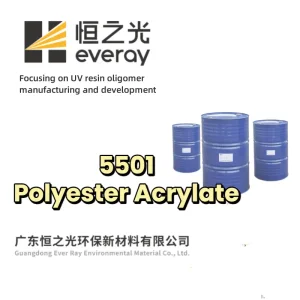
Wholesale Polyester Acrylate 5501 — A Core Resin for LED-UV Wood Coating Systems
View Product Details
Explore our core series of epoxy, polyester, and specialty acrylate oligomers engineered for rapid UV curing, film toughness, and high crosslink density.
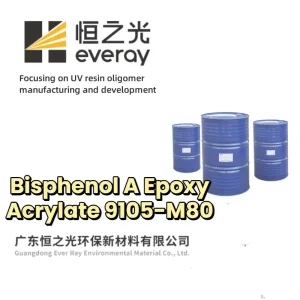
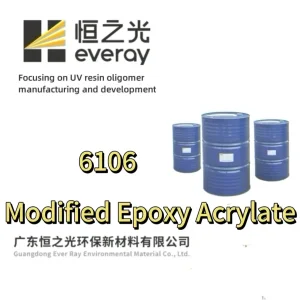
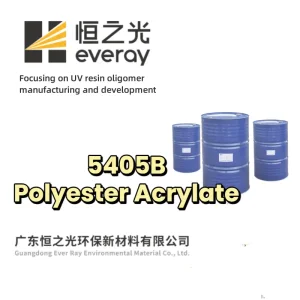
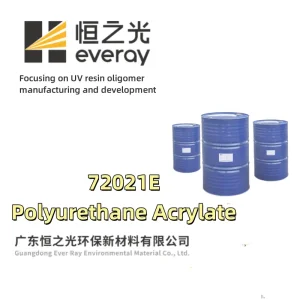
A deep technical evaluation of oligomer architecture, hydrogen bonding networks, and structure-property relationships for chemical synthesis experts and industrial coaters.
Polyurethane acrylates (PUAs) represent the apex of radiation-curable chemistry, offering a customizable balance between mechanical flexibility, chemical resistance, and optical clarity. The chemical nature of the diisocyanate backbone establishes the baseline performance parameters:
The soft segment of the urethane acrylate chain is dictated by the selection of polyol intermediates, which determines the physical mechanics of the fully cured polymer network:
Understanding the fundamental trade-offs between epoxy acrylates, polyester acrylates, aliphatic PUA, and aromatic PUA enables formulators to engineer optimized systems.
| Oligomer Chemistry | Cure Speed | Yellowing Resistance | Adhesion Range | Tensile Strength & Toughness | Primary Industrial Use Case |
|---|---|---|---|---|---|
| Aliphatic Urethane Acrylate | Moderate to Fast | Outstanding (ΔE < 1) | Exceptional (PC, ABS, Metal, Glass) | High Toughness & Flexibility | 3C Consumer Electronics, Automotive Clearcoats, Nail Gels |
| Aromatic Urethane Acrylate | Fast | Moderate (Slight Yellowing) | Excellent (Wood, PVC, Plastics) | High Tensile Modulus & Hardness | PVC Floor Varnishes, Wood Topcoats, Heavy-Duty Industrial Films |
| Bisphenol A Epoxy Acrylate | Ultra-Fast | Poor (Prone to Yellowing) | Moderate (Requires Primers) | Rigid, High Glass Transition (Tg) | Paper OPV, Wood Sanding Sealers, Fast Offset Inks |
| Polyester Acrylate | Fast | Fair to Good | Good (Porous & Non-porous) | Balanced Hardness & Flexibility | Flexo & Offset Inks, Pigmented Systems, Plastic Primers |
| Waterborne PUD UV Resin | Drying + UV Speed | Excellent | Superior on Leather & Wood | Zero Shrinkage, Soft Touch | Eco-Friendly Leather Finishes, Low-VOC Sprayable Wood Coatings |
As global regulations tighten and energy efficiency demands grow, urethane acrylate chemistry is advancing toward lower carbon footprints, LED response, and zero VOC emissions.
Traditional mercury vapor lamps emitting broadband UV (254nm–365nm) are rapidly being replaced by energy-efficient UV-LED systems operating at 365nm, 385nm, 395nm, and 405nm. Modern polyurethane acrylates are molecularly modified to overcome oxygen inhibition under long-wavelength LED sources, guaranteeing tack-free surface curing without nitrogen inerting.
Complex 3D geometries, shadowed regions, and thick opaque substrates pose challenges for pure photopolymerization. Advanced photo-thermal dual-curing polyurethane acrylates integrate secondary thermal or moisture-curing isocyanate functionality, assuring complete deep-layer polymerization across automotive interiors and optical bonding.
Additive manufacturing via SLA, DLP, and LCD printers requires ultra-low viscosity urethane acrylate oligomers with low volumetric shrinkage and non-irritating profiles. These tailored oligomers yield high-precision functional prototypes, dental aligners, and elastomeric midsoles with high tear strength.
From micro-electronics to heavy-duty floor coatings, discover how tailored urethane acrylate chemistry solves specific industrial challenges.
Smartphones, laptops, and automotive touchscreens require high scratch resistance, anti-fingerprint properties, and adhesion to low-surface-energy polycarbonate (PC) and PMMA substrates. Hexafunctional aliphatic urethane acrylates deliver 4H pencil hardness while maintaining high flexibility during thermal thermal cycling tests.
Automotive specs demand resistance to sun block chemicals, alcohol rubs, and continuous QUVA accelerated weathering (over 1500 hours without cracking or loss of gloss). Non-yellowing aliphatic PUA resins engineered with IPDI/H12MDI backbones meet stringent OEM specifications.
Commercial vinyl tile and luxury hardwood floor manufacturing lines operate at speeds above 30 m/min. Low-viscosity, high-abrasion aromatic urethane acrylates mixed with modified epoxy acrylates provide micro-scratch protection and stain resistance against household solvents.
UV offset, flexographic, and screen printing inks demand superior pigment wetting, mist reduction, and fast ink-water balance. Modified polyester acrylates combined with amine-functionalized synergists maximize surface curing under fast line speeds.
Formulations for Liquid Optically Clear Adhesives (LOCA) and structural glass-to-metal bonding require exceptionally low curing shrinkage (<1.5%) to prevent optical distortion and delamination. Soft-segment polyether PUA resins deliver shock absorption and peel strength.
Cosmetic application guidelines mandate bio-compatible, low-odor, low-exotherm resins that do not cause skin sensitization. Specialized low-monomer aliphatic urethane acrylates deliver high gloss, soak-off flexibility, and non-yellowing nail coating performance.
Combining world-class chemical cluster integration with meticulous lot-to-lot quality control to guarantee secure, cost-effective global chemical supply chains.
Situated in the heart of Guangdong's advanced chemical industrial hub, our synthesis facility accesses direct, pipeline-integrated feeds of primary isocyanates (IPDI, HDI, TDI) and specialty acrylic monomers. This raw material proximity insulates international buyers from global market volatility and guarantees reliable batch delivery schedules.
Our modern chemical synthesis plant covers over 40,000 square meters in Yunan Industrial Park, Yunfu, housing 10+ continuous automated reaction lines. With an annual capacity exceeding tens of thousands of tons, we easily accommodate high-volume OEM contracts, container-load shipments, and localized stocking programs.
Quality reliability is non-negotiable for overseas formulators. Every produced batch undergoes rigorous analytical testing prior to Certificate of Analysis (COA) issuance:
Removing regulatory barriers and providing hands-on technical application engineering for international buyers.
Our oligomers comply with global chemical inventories, including EU REACH full registrations, US TSCA compliance, RoHS 3.0, REACH SVHC non-containment certificates, and K-REACH. Complete SDS (Safety Data Sheets in GHS multi-language formats) accompany every shipment.
Have a specific substrate or unique processing window? Our dedicated R&D lab, supported by over 10 patents, synthesizes tailor-made oligomers—modifying viscosity, glass transition temperature (Tg), refractive index, or photo-response to your formulation needs.
We provide rapid international sample dispatch (1kg–5kg test samples via express air) complete with starting formulation guides. Full container shipments (FCL/LCL) are supported by standardized pallets, drum heating bands, and cold-chain logistics where required.
Explore our extended series of active amine synergists, photo-thermal oligomers, low-shrinkage resins, and specialty adhesives.
In-depth answers addressing procurement qualification, resin selection, chemical compatibility, and regional shipping.
The core distinction lies in the diisocyanate backbone structure. Aliphatic urethane acrylates are synthesized using cycloaliphatic or aliphatic diisocyanates like IPDI (Isophorone Diisocyanate) or HDI (Hexamethylene Diisocyanate). They do not absorb UV radiation in terrestrial wavelengths, making them virtually immune to yellowing, loss of gloss, or outdoor degradation. Aromatic urethane acrylates use TDI (Toluene Diisocyanate) or MDI (Methylene Diphenyl Diisocyanate) backbones. They offer higher reactivity, greater glass transition temperatures (Tg), and higher tensile modulus at a lower cost point, but will yellow under direct sunlight, making them best suited for interior wood, PVC, and packaging ink applications.
Polyurethane acrylates incorporate strongly polar carbamate (-NH-COO-) linkages along the polymer backbone. These urethane groups generate intense hydrogen bonding networks with polar groups on plastic substrates (such as polycarbonate or polyester). Additionally, PUA oligomers generally exhibit lower volume shrinkage upon photopolymerization compared to rigid epoxy acrylates, minimizing internal mechanical stress at the coating-substrate interface and preventing film peeling under cross-hatch tape testing (ASTM D3359 5B).
For long-wavelength UV-LED curing, oxygen inhibition at the surface is a primary challenge. We recommend combining high-reactivity amino-modified acrylate oligomers or active amine synergists with hyperbranched or 4-to-6 functional aliphatic urethane acrylates. The amine groups scavenge peroxyl radicals formed by atmospheric oxygen, enabling complete surface crosslinking under 385nm or 395nm LED lamps without tacky surface residues.
Every commercial batch is supplied with a comprehensive batch-specific Certificate of Analysis (COA) detailing Brookfield viscosity, Gardner color, acid value, density, and solid content. We also provide multi-language Safety Data Sheets (GHS compliant SDS), Technical Data Sheets (TDS) with starting formulations, and regulatory compliance statements covering EU REACH, RoHS 3.0, TSCA, and SVHC declarations.
Yes. Our in-house synthesis R&D team specializes in adjusting polymer molecular weight distributions, oligomer dilution ratios with reactive monomers (e.g., IBOA, TPGDA, HDDA, or TMPTA), or custom polyol choices. We can tailor the delivery viscosity down to 500–1500 mPa.s at 25°C to fit robotic spray systems, curtain coaters, or flexographic print heads directly without requiring excessive site solvent dilution.
Collaborate with our chemical engineering team to optimize your UV formulation speed, adhesion, and weatherability.