Wholesale Acrylate Suppliers & Product

Global Technical Whitepaper & High-Performance Radiation Curable Resin Engineering Solutions

Featured Product Portfolio Part I

High-Performance Acrylate Oligomers & Specialty Resins

Engineered for industrial coatings, graphic arts inks, advanced adhesives, and additive manufacturing SLA/DLP 3D photopolymers.
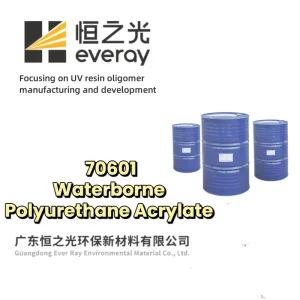
Waterborne 70601 UV Resin
Buy Waterborne 70601 UV-resin for 3D Printing, UV-ink and UV Wood-coatings Suppliers, Product
View Product Details
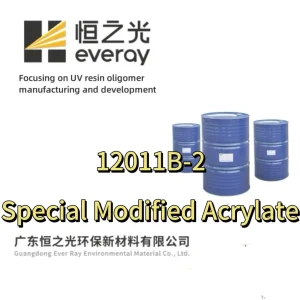
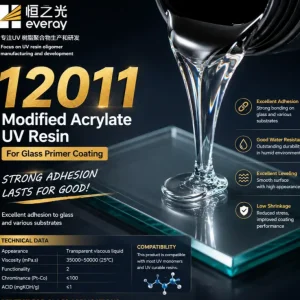
12011 Modified Acrylate Resin
Buy 12011 Modified Acrylate UV Resin for Glass Primer Coatings | Excellent Adhesion & Boiling Water Resistance Supplier, Product
View Product Details
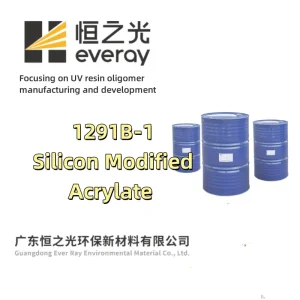
1291B-1 Antifouling UV Coating Resin
High-Quality Enhance UV coating using the antifouling function of 1291B-1 Manufacturer, Products
View Product Details
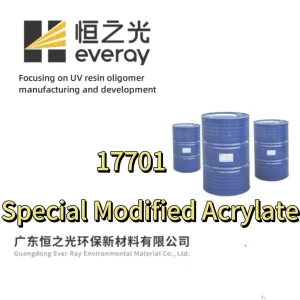
17701 Low Shrinkage Modified Acrylate
Buy 17701 Low Shrinkage Modified Acrylate Oligomer - Resin for Offset and Film Inks Factories, Product
View Product Details
Special Modified Acrylate Resin
Wholesale Special Modified Acrylate Resin | Low Shrinkage & Excellent Glass Adhesion | For Water Transfer Printing & UV Coating Factories, Product
View Product Details
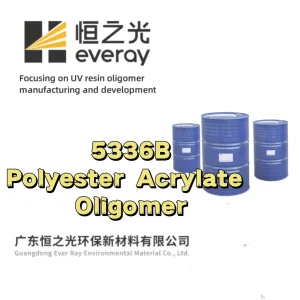
5336B Polyester Acrylate Resin
Buy 5336B High-Performance Polyester Acrylate Resin | Ultra-Fast Cure for UV Offset & Flexo Inks Suppliers, Product
View Product Details
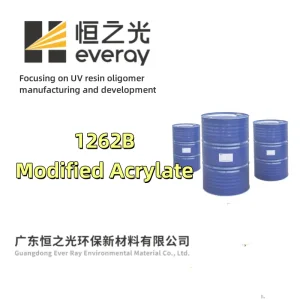
1262B Low Viscosity Acrylate
High-Quality Low viscosity 1262B: suitable for PVC floor coating applications Supplier, Factory
View Product Details
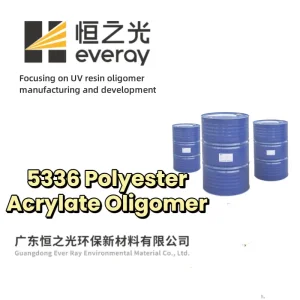
5336 Polyester Acrylate Resin
Buy Polyester Acrylate 5336 – The Ideal Resin for High-Performance UV Inks and Varnishes Supplier, Suppliers
View Product Details
Global Industry Insight

1. Commercial & Industrial Status of Wholesale Acrylates

A macro-economic analysis of the global acrylic esters and UV/EB radiation-curable polymer ecosystem.

The global market for wholesale acrylates and radiation-curable acrylate oligomers is experiencing an unprecedented structural transformation. Valued at over $11.5 Billion USD annually with a projected compound annual growth rate (CAGR) of 7.2% through 2032, the industry is transitioning rapidly from conventional thermal-cured, solvent-borne resin systems to 100% solids, ultra-fast curing, light-induced polymerization frameworks. Driving this transformation are strict environmental mandates (such as VOC compliance under REACH, TSCA, and China's GB standards), relentless pressure to decrease factory carbon footprints, and the soaring adoption of precision automated manufacturing lines in consumer electronics, automotive assembly, and packaging.

In modern chemical supply chains, acrylate chemistry serves as the functional backbone for surface modification. Acrylate monomers and oligomers possess reactive carbon-carbon double bonds (C=C) within the acryloyl functional group (CH2=CH-C(=O)-O-). Under ultraviolet (UV) light, electron-beam (EB), or thermal radical initiation, these double bonds undergo near-instantaneous chain-growth polymerization, converting liquid formulations into crosslinked solid polymers within milliseconds. Key commercial derivatives include Epoxy Acrylates, Polyurethane Acrylates (PUA), Polyester Acrylates, Pure Acrylates, and Specialty Functional Monomers.

Supply Chain Dynamics & Logistics: Wholesale procuring of acrylate resins requires rigorous supplier evaluation regarding raw material availability (Acrylic Acid, Isocyanates, Polyols, Bisphenol-A), batch-to-batch polymer dispersion consistency, molecular weight distribution control (Mw/Mn polydispersity), and residual monomer content control to minimize odor, toxicity, and skin irritation potential (PII index).

$11.5B+
Global Acrylate Market Size
7.2%
Projected Annual CAGR
<0.1s
UV-LED Photo-Curing Speed
0% VOC
100% Solids Eco-Formulation
Chemical Engineering Matrix

2. Comprehensive Technical Classification & Chemical Architecture

Evaluating molecular design, double-bond density, crosslinking mechanics, and functional performance trade-offs.

Epoxy Acrylate Oligomers

Synthesized via ring-opening reaction of epoxy resins (e.g., Bisphenol-A diglycidyl ether) with acrylic acid. Characterized by rapid cure speeds, ultra-high hardness, high tensile strength, and superior chemical/solvent resistance. Ideal for overprint varnishes (OPV), wood finishes, and rigid plastic primers.

Aliphatic & Aromatic Polyurethane Acrylates

Formulated from polyisocyanates (IPDI, HDI vs. TDI, MDI) and hydroxyl-functional acrylates. Aliphatic PUAs offer unexcelled weatherability, zero non-yellowing, high elasticity, and scratch resistance. Aromatic PUAs supply cost-effective toughness, impact resistance, and abrasion protection for interior wood and industrial flooring.

Polyester & Waterborne Acrylates

Polyester acrylates deliver exceptional pigment wetting, low viscosity, and high flexographic/offset printing capability. Waterborne UV-curable polyurethane dispersions (PUDs) merge eco-friendly water dilution with radical photo-curing, providing low film shrinkage, superior grain-raising control, and zero VOC emissions.

Oligomer Chemical Family Viscosity (mPa.s @ 25°C) Cure Speed Pencil Hardness Tg (°C) Yellowing Resistance Primary Industrial Applications
Bisphenol-A Epoxy Acrylate 15,000 - 30,000 Very Fast (<100 mJ/cm²) 2H - 4H 45 - 65 Moderate (3/5) Paper OPV, Wood Topcoats, Rigid Plastic Primers
Aliphatic Urethane Acrylate (6-Func) 5,000 - 15,000 Fast (150 mJ/cm²) 3H - 5H 55 - 85 Outstanding (5/5) 3C Electronics, Automotive Clearcoats, Optical Films
Aliphatic Urethane Acrylate (2-Func) 2,000 - 8,000 Moderate (250 mJ/cm²) HB - F -10 - 25 Outstanding (5/5) UV Nail Gels, Flexible TPU/PVC Coatings, Adhesives
Polyester Acrylate (4-Func) 500 - 2,500 Fast (120 mJ/cm²) H - 2H 20 - 40 Good (4/5) UV Offset Inks, Flexo Inks, Screen Printing Packaging
Waterborne UV Polyurethane Resin 50 - 300 (Dispersion) Moderate (Water Evap + UV) H - 3H 15 - 50 Excellent (5/5) Eco-Wood Furniture, Leather Finishes, Spray Coatings
Specialty Modified Acrylate 1,000 - 6,000 Ultra-Fast (<80 mJ/cm²) 2H - 4H 35 - 75 Excellent (4.5/5) Glass Primers, Vacuum Metallization, Water Transfer
Future-Proofing Chemistry

3. Key Industry Trends & Global Technology Roadmap

Strategic technological evolutions reshaping the radiation-curable wholesale market from 2025 to 2035.

Primary Technological Drivers

  • The LED-UV Transition (365nm / 385nm / 395nm): Traditional medium-pressure mercury lamps generate excessive heat and toxic ozone. Modern lines are adopting monochrome LED-UV light sources. Formulators demand specialized acrylate oligomers with optimized photo-response kinetics and long-wave absorption efficiency to eliminate surface tackiness caused by oxygen inhibition.
  • Zero-VOC & Bio-Based Raw Material Sourcing: Driven by corporate ESG policies and environmental legislation, suppliers are formulating acrylate oligomers containing bio-based carbon content (derived from plant oils, cashew nut shell liquid, succinic acid, and bio-1,3-propanediol), aiming for >40% renewable content without compromising mechanical durability.
  • Low Primary Irritation Index (PII) Reactive Diluents: Traditional monomer diluents like HDDA or TPGDA pose skin irritation concerns. Next-generation wholesale acrylate portfolios integrate low-volatility, low-odor alkoxylated mono/di-acrylates (such as EOBDA, TMPTA-3EO) and cyclic trimethylolpropane formal acrylate (CTFA).

Decadal Technology Roadmap

2025 - 2027

High-Efficiency LED-UV & Bio-Acrylates

Full spectrum 395nm LED surface curing optimization; commercialization of 30-50% bio-based polyurethane acrylates for packaging and wood finishes.

2027 - 2029

Self-Healing & Dual-Cure Systems

Thermo-reversible dynamic covalent bonding acrylates enabling self-repairing anti-scratch automotive transparent films and dual UV/thermal moisture cure adhesives.

2029 - 2032

Waterborne UV 2.0 & High-Speed 3D

Zero-solvent waterborne UV dispersions achieving immediate physical dry state before irradiation; ultra-low viscosity photopolymers for high-speed continuous 3D printing.

2032 - 2035

Smart Reactive Biomaterials

Fully circular, chemically recyclable crosslinked acrylate networks; intelligent stimulus-responsive coatings for electronics, medical devices, and aerospace.

Industrial Application Solutions

4. Macro Industry Solutions & Formulation Engineering

Tailored acrylate chemical formulations designed to overcome specific substrate adhesion and environmental degradation barriers.

3C Electronics & Optical Display Finishes

High-end smartphone covers, laptop casings (PC+ABS, PMMA), and optical films demand extreme scratch resistance (5H pencil, steel wool 1000 cycles @ 500g load) alongside chemical resistance to human sweat, cosmetics, and alcohol wipes. Solution: Multi-functional aliphatic urethane acrylates paired with nano-silica dispersion acrylates.

Glass, Ceramics & Inorganic Substrate Primers

Inorganic glass and ceramic surfaces possess extremely high surface energy and hydrophilic properties, causing standard UV coatings to delaminate when exposed to humidity or boiling water. Solution: Special organosilane-modified acrylate resins with low volume shrinkage (<3%) and direct chemical bonding to Si-OH groups.

Rigid Wood, SPC/LVT Flooring & Decorative Sheets

Heavy foot traffic on SPC/LVT flooring requires high wear resistance, micro-scratch recovery, and stain resistance (coffee, iodine, ketchup). Solution: Formulations integrating epoxy acrylate sanding sealers, aromatic PUA wear layers, and anti-fouling hyperbranched acrylate topcoats.

Formulation Science

5. Resolving Substrate Adhesion & Oxygen Inhibition Barriers

Scientific methods for maximizing crosslinking density while mitigating free-radical quenching and polymer shrinkage stress.

1. Substrate Adhesion Mechanics (Interfacial Thermodynamics)

Adhesion failure in UV-cured acrylates usually stems from volumetric shrinkage during rapid double-bond polymerization (density change from monomer liquid to crosslinked polymer solid). To achieve 5B adhesion performance (ASTM D3359 cross-hatch tape test) on difficult substrates like untreated PET, metallic vacuum layers, and tempered glass:

  • Incorporate Phosphate Acid Ester Acrylates: Introducing acidic functional groups (e.g., hydroxyethyl methacrylate phosphate) provides chemical chelation with metallic and inorganic hydroxyl groups.
  • Control Polymer Shrinkage: Utilize hyperbranched acrylates or high-molecular-weight polyester acrylates to lower double-bond concentration per unit volume, reducing internal stress build-up.
  • Intermolecular Hydrogen Bonding: Utilize polyurethane acrylates rich in carbamate bonds (-NH-COO-) to form strong secondary physical bonding with organic plastic substrates (PC, ABS, PVC, PMMA).

2. Eliminating Oxygen Inhibition in Thin Film & LED Curing

Atmospheric oxygen (O2) acts as a powerful free-radical scavenger, converting highly reactive carbon radicals (R•) into stable, unreactive peroxyl radicals (ROO•). This results in surface tackiness, poor scratch resistance, and lingering monomer odor. Effective chemical countermeasures include:

  • Amino Acrylates & Active Amine Synergists: Amine structures undergo rapid hydrogen abstraction reactions with peroxyl radicals, generating reactive alkylamino radicals that re-initiate polymerization while consuming oxygen.
  • High Functional Hyperbranched Acrylates: Increasing double-bond density at the surface layer ensures rapid crosslinking kinetics that outpace oxygen diffusion rates.
  • Thiol-Ene Photopolymerization Systems: Combining multi-functional thiols with acrylate oligomers renders the system immune to oxygen inhibition through step-growth radical addition mechanisms.
Enterprise Authority (E-E-A-T)

6. Manufacturing Excellence & Quality Assurance Infrastructure

State-of-the-art chemical synthesis, rigorous batch control, and global compliance standards.

40,000+ m² Modern Synthesis Base

Guangdong Ever Ray Environmental Material Co., Ltd. operates an advanced manufacturing facility in Dawan Industrial Park, Yunfu, Guangdong, equipped with over 10 automated stainless steel reaction vessels, computerized temperature/pressure controls, and closed-loop monomer feeding lines.

Dedicated R&D & Patent Portfolio

Backed by over 10 national invention and utility patents, our chemical engineering laboratory conducts molecular design, viscosity tailoring, conversion rate monitoring via FTIR spectroscopy, and accelerated weatherometer testing (QUV 313/340nm exposure).

Global Compliance & QC Verification

Every wholesale shipment undergoes strict Certificate of Analysis (COA) verification testing for color (Gardner scale), viscosity (Brookfield RVT @ 25°C), acid value (mg KOH/g), double bond conversion rate, and storage stability testing (60°C oven for 30 days).

Formulator & Buyer Technical FAQ

7. Frequently Asked Questions (Q&A)

In-depth technical and commercial answers for coating chemists, procurement directors, and R&D managers.

Q1: How do I select between Epoxy Acrylate and Polyurethane Acrylate for high-hardness coating applications? +
Bisphenol-A Epoxy Acrylates provide the most cost-effective path to achieving high hardness (3H-4H pencil) and fast curing speeds. However, epoxy acrylates are prone to yellowing under outdoor UV light exposure and exhibit higher volumetric shrinkage, which can compromise adhesion on flexible substrates. If your application demands non-yellowing performance, weatherability, and high impact toughness (e.g., 3C electronics or outdoor automotive trim), aliphatic polyurethane acrylates (such as 6-functional or hyperbranched PUA) should be specified despite their higher raw material cost.
Q2: What acrylate oligomers are recommended for achieving boil-water resistance on glass substrates? +
To survive 100°C boiling water immersion testing for 2 to 4 hours without delamination or blistering, we recommend specialized modified acrylate resins like Modified Acrylate Resin 12011 or 17730A-2. These resins combine low volumetric shrinkage (<2.5%) with functional adhesion promoters that form covalent chemical bonds with inorganic silanol groups (Si-OH) on the glass surface, resisting hydrolysis under elevated temperature and humidity.
Q3: How can oxygen inhibition be effectively reduced during 395nm LED-UV light curing? +
To overcome oxygen inhibition under long-wavelength LED-UV curing (385-395nm), formulators should: 1) Incorporate 5% to 15% Amino Acrylate Oligomers or Active Amine Synergists, which act as hydrogen donors to consume peroxyl radicals; 2) Utilize phosphine oxide photoinitiators like TPO or TPO-L that possess strong absorption in the 365-400nm region; 3) Blend in a portion of hyperbranched acrylate oligomers to accelerate gelation kinetics.
Q4: What is the typical shelf life and recommended storage conditions for wholesale acrylate drums? +
Unopened drums of UV-curable acrylate oligomers have a standard shelf life of 12 months from the date of manufacture when stored in their original dark, opaque containers. Storage temperatures should be maintained between 10°C and 30°C away from direct sunlight, UV light sources, and heat radiators. Crucially, acrylates require dissolved oxygen in the liquid to maintain the activity of radical inhibitors (such as MEHQ); therefore, drums should never be purged or blanketed with inert nitrogen gas.
Q5: What technical support and documentation does Guangdong Ever Ray offer for custom formulation matching? +
Ever Ray provides full technical sales support including Technical Data Sheets (TDS), Safety Data Sheets (SDS compliant with GHS/REACH), Certificates of Analysis (COA) per batch, starting point formulations, and laboratory custom synthesis. Our application engineering team can adjust viscosity, functional double bond density, soft-to-hard segment ratios, and substrate wettability to match your specific processing equipment and performance targets.
Featured Product Portfolio Part II

Advanced Acrylate Oligomers & Specialty Resins

Specialized formulations engineered for industrial varnishes, printing inks, vacuum metallization, and high-durability floor coatings.
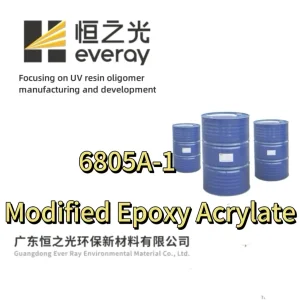
6805A-1 Modified Epoxy Acrylate Resin
Wholesale Fast-Cure High-Gloss Modified Epoxy Acrylate UV Resin 6805A-1 for UV Ink and UV varnish Suppliers, Products
View Product Details
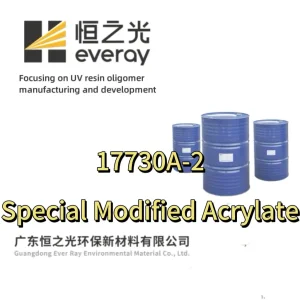
17730A-2 Special Modified Acrylate
Wholesale 17730A-2 Special Modified Acrylate Resin High Water Resistance & Leveling Anti-Yellowing for Glass UV Coating & Ink Manufacturer, Products
View Product Details
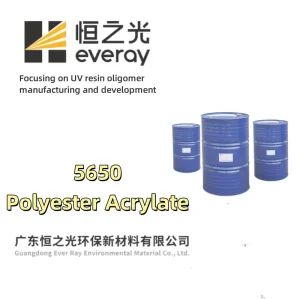
5650F UV Resin
Wholesale 5650F UV resin for UV varnish and printing ink Manufacturer, Manufacturers
View Product Details
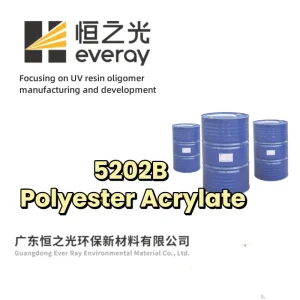
5202B Polyester Acrylate
Wholesale Polyester Acrylate 5202B – The Ideal Choice for High-Performance UV Coatings Manufacturers, Factory
View Product Details
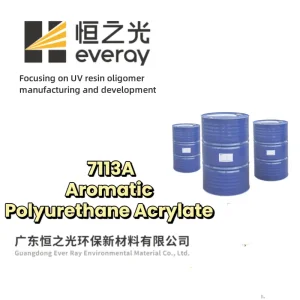
7113A Aromatic PA UV Resin
Wholesale Aromatic PA UV-resin 7113A for UV Vacuum-metallization and Plastic-coating Supplier, Factory
View Product Details
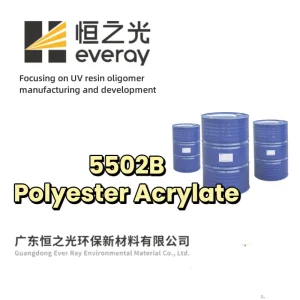
5502B Polyester Acrylate Resin
Wholesale Polyester Acrylate 5502B–Fast Reactivity, High Hardness, Low Odor, and Excellent Heat Resistance Suppliers, Product
View Product Details
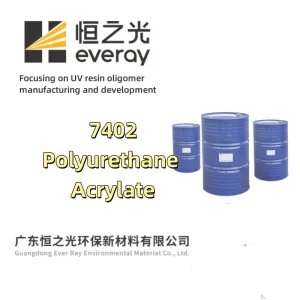
7402 Polyurethane Acrylate UV Resin
High-Quality Fast curing 7402 Polyurethane Acrylate UV resin for high quality coatings Manufacturers, Factories
View Product Details
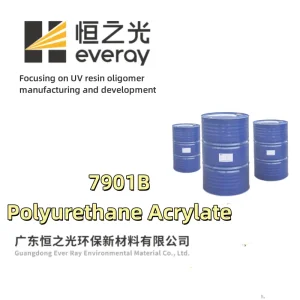
7901B Industrial UV Resin
Buy 7901B UV-resin for industrial coatings Manufacturers, Factories
View Product Details