Explore our high-performance acrylate oligomers optimized for UV/LED curing, coating, offset inks, and specialized industrial adhesives.
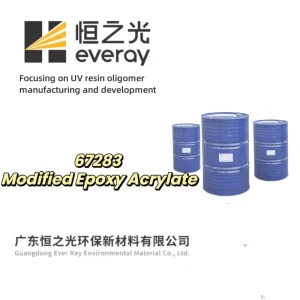
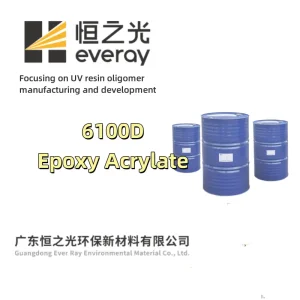
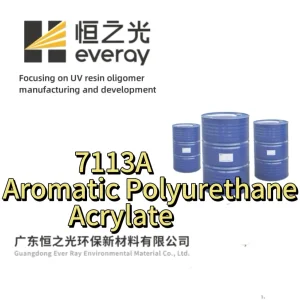
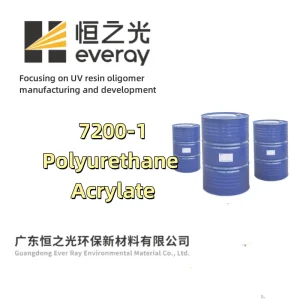
A comprehensive analysis of chemical structure, esterification mechanisms, and performance cross-linking kinetics in high-speed radiation curing environments.
Delivers maximum hardness (up to 3H-5H pencil hardness), superior chemical resistance to acids and solvents, rapid surface drying, and ultra-high tensile strength for rigid wood topcoats and metallic lacquers.
Engineered via elastomer grafting or long-chain aliphatic esterification to reduce internal stress during curing, drastically boosting adhesion on low-energy plastic films and metallic vacuum plating.
Features high acrylic functionality (>3.5 active sites per molecule), providing dense cross-linked networks designed for solder masks, high-heat electronic encapsulants, and abrasive industrial topcoats.
Comparative technical benchmarks for industrial photopolymer selection across global manufacturing hubs.
| Resin Chemistry Type | Cure Speed (m/min) | Pencil Hardness | Flexibility (T-Bend) | Adhesion (Metal/Plastic) | Primary Industrial Use |
|---|---|---|---|---|---|
| Standard Bisphenol A Epoxy Acrylate | Fast (>35 m/min) | 3H - 5H | Rigid (Poor) | Moderate (3B) | Wood primers, paper varnishes, rigid screen inks |
| Modified Epoxy Acrylate (17701 Series) | Ultra-Fast (>45 m/min) | 2H - 3H | Flexible (2T - 3T) | High (5B) | Offset printing, thin-film packaging, food carton OPV |
| Aliphatic Urethane Acrylate (7200 Series) | Moderate (20-30 m/min) | H - 2H | Excellent (0T) | Very High (5B) | Automotive exterior, nail gel topcoats, 3C electronic shells |
| Aromatic Urethane Acrylate | Fast (30-40 m/min) | 2H - 4H | Good (1T) | High (4B-5B) | Vacuum metallizing topcoats, resilient flooring sealers |
| Polyester Acrylate Oligomer | Moderate (25-35 m/min) | HB - H | Excellent (0T) | Moderate (3B) | Offset lithographic inks, plastic flexo inks, primers |
Vertical integration, raw material security, and cost-efficiency benchmarks for global wholesale buyers.
Direct pipeline supply of acrylic acid and epoxy precursor resins reduces transportation overheads and insulates end-product pricing against global commodity volatility.
Facilities equipped with multi-ton glass-lined stainless steel reactors operating under DCS digital control ensure strict batch-to-batch consistency with acid values constrained under <2 mg KOH/g.
Strategic proximity to Nansha, Yantian, and Shekou deepwater ports guarantees streamlined Dangerous Goods (DG Class 9) container stuffing, ISO tank loading, and express customs clearance.
In-depth formulation strategies and field implementation vectors across critical manufacturing sectors.
Used as base resins for UV primer and topcoat formulations on ABS, PC, and PMMA housings. When blended with aliphatic polyurethane acrylates (like Grade 7200-1), they deliver exceptional scratch resistance (>2000 double cycles steel wool) and withstand thermal humidity aging tests (60°C / 95% RH for 500h).
Low viscosity modified epoxy acrylates (Grade 17701 and 6100D) provide rapid pigment wetting for cyan, magenta, yellow, and carbon black dispersions. Offers precise water-ink balance on high-speed press lines (>15,000 sheets/hour) without misting, emulsification, or dot gain distortion.
Formulated into thick-layer roller-coated sealer and sanding primers. Standard Bisphenol A epoxy acrylate provides immediate sandability, filling deep wood pores while preventing plasticizer migration in resilient vinyl flooring boards.
Specialty low-viscosity acrylate oligomers (such as Grade 70250) serve as core components in SLA, DLP, and LCD 3D printing resins. Delivers rapid green-state curing, sharp dimensional precision, high flexural modulus, and low isotropic shrinkage.
Non-yellowing, low-shrinkage modified acrylic resins (like Grade 1762) provide bubble-free optical clarity, ultra-high tensile lap shear strength (>15 MPa), and thermal shock resistance for glass-to-metal and display bezel bonding.
Strategic innovation directions driving the next decade of radiation-curable materials.
Optimization of acrylate molecular structures to respond efficiently to monochromatic LED-UV sources (365nm, 385nm, 395nm, and 405nm), eliminating surface oxygen inhibition without requiring expensive nitrogen inerting blankets.
Replacing petrochemical bisphenol derivatives with renewable plant-derived epoxidized oils (PUEO, soybean oil, lignin precursors), achieving up to 45% bio-carbon content while preserving mechanical durability.
Engineered dendritic polymer architectures that deliver multi-functionality (>6 double bonds per molecule) while maintaining ultra-low zero-shear viscosity, minimizing the need for irritating low-MW reactive monomer diluents.
Ensuring smooth international market access through stringent chemical stewardship and tailored technical services.
Full registration and compliance documentation for import into European Union member states and North American jurisdictions.
Strict heavy metal control and exclusion of Substances of Very High Concern, halogenated additives, or organotin catalysts.
In-house laboratory modification capabilities to adjust target viscosity, refractive index, or acid values to match specific customer press setups.
Compliant packing in 200kg steel drums, 1000kg IBC totes, or ISO tanks with complete UN-certified Dangerous Goods labeling.
Browse our additional line-up of specialized polyester acrylates, UV adhesives, and high-adhesion oligomer solutions.
Expert answers from our senior R&D photopolymer engineers regarding resin selection, stability, and bulk sourcing.
