Explore our core engineering-grade photopolymer resins, shadowless adhesives, and specialty acrylates optimized for automated mass production, rapid curing, and ultra-high bonding tenacity.
The global industrial adhesives and UV-curable polymer market is undergoing a seismic paradigm shift. Driven by automated high-speed electronics assembly, stringent global VOC (Volatile Organic Compound) regulations, and the rapid miniaturization of optical devices, industrial procurement leaders are migrating away from solvent-based thermal bonding towards energy-efficient, sub-second photopolymer chemistry. Wholesale adhesive material procurement is no longer merely a commodity purchasing function; it is a critical strategic driver for yield optimization, product reliability, and carbon footprint reduction across modern manufacturing lines.
As modern assembly lines operate at cycle times measured in milliseconds, adhesive formulations must deliver instantaneous green strength, zero thermal deformation, and extreme mechanical durability under harsh environmental conditions. The market for wholesale adhesive material products spans multiple key sectors:
Formulators and chemical distributors sourcing wholesale adhesive materials demand rigorous batch-to-batch consistency. Slight variances in oligomer viscosity, photo-initiator response, or monomer reactivity ratios can halt an automated SMT line or cause catastrophic micro-delamination in laminated displays. Consequently, qualifying a primary chemical manufacturer requires deep auditing of raw material purification, reactor synthesis protocols, and analytical quality assurance standard operating procedures.
Industrial UV adhesives and coatings derive their end-use physical properties from precise backbone manipulation during oligomer synthesis. Understanding the molecular architecture enables chemical engineers to select the exact wholesale adhesive material grades required for specific thermal, chemical, and mechanical stresses.
Synthesized via the esterification of bisphenol-A diglycidyl ether with acrylic acid. Epoxy acrylates deliver ultra-fast surface cure, extreme tensile strength (>65 MPa), high surface hardness (up to 4H-6H pencil hardness), and unmatched resistance to industrial solvents and acid/alkali exposures. Ideal for wood topcoats, shadowless glass bonding, and rigid structural adhesives.
Formulated using non-aromatic diisocyanates (IPDI or HDI) paired with specialty polyols. These oligomers provide exceptional non-yellowing characteristics, QUV weatherability (>2,000 hours UV-A exposure), elongation flexibilities ranging from 50% to 300%, and elastic memory. Essential for optical clear adhesives (OCA), automotive displays, and outdoor structural sealants.
Multi-arm macromolecular structures featuring high acrylate functionality (6 to 16 reactive double bonds per molecule) combined with surprisingly low Newtonian viscosity. They boost crosslink density exponentially, drastically cut curing energy requirements, eliminate oxygen inhibition, and impart scratch-resistant nano-structures to hard coatings and rapid 3D printing resins.
Technical Insight: Formulators frequently blend high-viscosity Epoxy Acrylates with low-viscosity Hyperbranched Monomers or Aliphatic PUA oligomers to achieve an optimal trade-off between cure speed, volumetric shrinkage stress (<1.5%), and interfacial substrate adhesion.
| Resin Chemistry / Oligomer Class | Viscosity Range (mPa.s @ 25°C) | Cure Response (LED 395nm) | Tensile Strength / Elongation | Primary Industrial Application Target |
|---|---|---|---|---|
| Bisphenol-A Epoxy Acrylate | 15,000 – 45,000 | Ultra-Fast (<150 mJ/cm²) | 60–80 MPa / 2–5% | Shadowless Glass Glue, Rigid PCB Potting, Wood UV OPV |
| Aliphatic Urethane Acrylate (2-Hexa functional) | 5,000 – 25,000 | Moderate (200–350 mJ/cm²) | 35–55 MPa / 40–180% | Optical Clear Adhesives (LOCA), 3C Soft-Touch Coatings |
| Polyester Acrylate (Tetra-functional) | 800 – 3,500 | Fast (180–250 mJ/cm²) | 25–45 MPa / 10–30% | Offset UV Inks, Pigment Wetting Masters, Laminating Adhesives |
| Hyperbranched Acrylic UV Resin | 300 – 1,200 | Instantaneous (<100 mJ/cm²) | 70–95 MPa / 1–3% | Anti-Scratch Clear Coats, High-Speed UV Inkjet Diluents |
Wholesale adhesive materials must be tailored to regional manufacturing environments, line speeds, and localized environmental regulations. Below are real-world application scenarios demonstrating how specialized UV oligomer chemistries solve complex engineering bottlenecks across modern assembly lines:
In automated smartphone, smartwatch, and automotive dashboard assembly, display panels require Liquid Optical Clear Adhesives (LOCA) that cure uniformly without stress-induced birefringence or bubble entrapment.
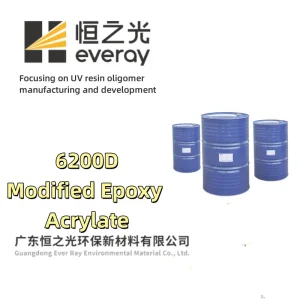
Chemical Solution: Formulations based on our 6200D UV-Resin Series exhibit refractive index matching (nD ≈ 1.48–1.51), ultra-low shrinkage strain (<0.8%), and deep shadow-curing capabilities under dual-cure (UV + Moisture/Heat) mechanisms, preventing optical distortion under extreme sunlight operating temperatures (-40°C to +105°C).
Electronic device housings and vehicle interior trim panels demand tactile aesthetic appeal ("soft-touch" feel) coupled with extreme chemical resistance against sweat, cosmetics, cleaning solvents, and abrasive wear.
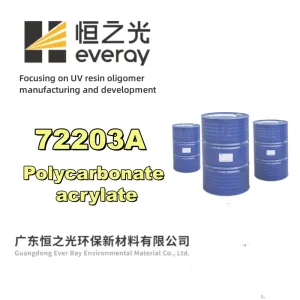
Chemical Solution: Utilizing Polycarbonate Acrylate 72203A provides micro-phase separation during photopolymerization, creating a velvety tactile finish while maintaining high crosslink toughness. It withstands over 5,000 cycles of MEK double-rubs and severe QUV climate chamber testing.
High-speed PVC floor manufacturing lines and food-grade packaging print lines require rapid curing coatings that emit zero hazardous air pollutants (HAPs) and meet strict migration compliance limits.
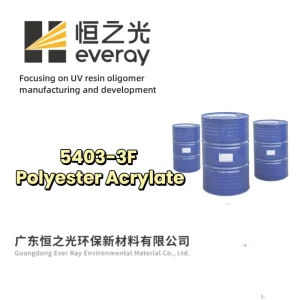
Chemical Solution: Incorporating Low-Viscosity 1262B and Polyester Acrylate 5403-3F balances fluid rheology for roller and flexographic application while maintaining excellent water-ink balance, high stain resistance against rubber heel scuffs, and zero residual odor after UV LED tunnel curing.
Global chemical procurement faces unprecedented volatility—ranging from raw material shortages to logistics bottlenecks. Sourcing wholesale adhesive materials directly from premier China-based synthesis facilities provides global buyers with an unshakeable competitive advantage: chemical backward integration, massive scale efficiency, and rigorous quality control.
Our mega-scale production bases are strategically located within fully integrated petrochemical parks in Guangdong. By manufacturing basic acrylic ester monomers, epoxy pre-polymers, and specialty amine catalysts on-site, we hedge against global raw material price swings and guarantee continuous supply even during market fluctuations.
Equipped with 10+ fully automated stainless-steel synthesis lines, computer-controlled DCS thermal regulation, and high-vacuum distillation columns, our facilities deliver an annual production capacity exceeding 40,000 metric tons. Every batch undergoes automated inline viscometry and gas chromatography monitoring.
Certified under ISO9001:2015, ISO14001:2015, and IATF 16949 standards, every lot is subjected to rigorous Certificate of Analysis (COA) testing: FTIR spectral fingerprinting, Brookfield viscosity calibration, acid value titration, color index (Gardner/APHA), and speed-of-cure validation under standardized UV LED irradiators.
Global Logistics Excellence: We provide hazardous-material compliant export packaging (UN-rated steel drums, 1,000L IBC tanks, and isotanks) with complete REACH, RoHS, TSCA, and SDS documentation for seamless customs clearance across European, North American, and Asia-Pacific ports.
The photopolymer and industrial adhesive industry is evolving rapidly toward sustainable, intelligent, and extreme-performance chemistries. As a leading primary resin manufacturer, our chemical R&D team is pioneering the next generation of photopolymer materials:
Synthesizing polyols derived from renewable bio-sources (such as soybean oil, castor oil, and lignin derivatives) to produce polyurethane acrylates with up to 60-80% bio-carbon content, drastically cutting carbon intensity without compromising mechanical strength or thermal resistance.
Developing hybrid free-radical/cationic dual-cure formulations designed for opaque electronic components. These resins cure instantly under UV LED surface illumination while enabling secondary thermal or moisture dark-curing in shadow regions inaccessible to light rays.
Engineered for low-energy UV LED lamps and deep-section 3D resin printing, our next-gen oligomers utilize active amine synergists and modified monomers optimized for long-wave UV-A light absorption, reducing electrical power usage on manufacturing lines by over 45%.
Navigating regional chemical compliance requires absolute regulatory precision. We provide turnkey compliance documentation and tailored technical services to ensure seamless integration into localized manufacturing operations worldwide.
All wholesale adhesive materials and UV oligomers fully satisfy international environmental directives including EU REACH (SVHC compliance), RoHS 3.0, US TSCA, Korea K-REACH, and China GB standards for zero-VOC emissions.
Do you require a specific viscosity profile for high-speed automated dispensing valves, or a custom refractive index for optical lamination? Our R&D application laboratory offers rapid-response custom synthesis, adjusting molecular weights, functionality, and inhibitor packages within 10 to 14 business days.
We deploy experienced field application engineers to collaborate directly with your formulation scientists and production line managers—assisting with UV lamp dose calibration (mJ/cm²), substrate surface energy preparation, and troubleshooting micro-bubble formation.
Discover our comprehensive collection of specialty acrylates, hyperbranched scratch-resistant resins, anti-yellowing bonding systems, and surface-effect UV oligomers.
Detailed technical and commercial answers tailored for formulation chemists, procurement directors, and industrial distributors evaluating wholesale adhesive material suppliers.
