B2B Technical Polymer Report

Wholesale Fast Drying Epoxy Resin Supplier & Products

Next-Generation UV-Curable Epoxy Acrylate Oligomers, Ultra-Fast Photopolymer Kinetics, & Factory 4.0 Supply Chain Integration.

Featured Commercial Formulations

High-Reactivity Fast Curing Epoxy Resins

Engineered for high-throughput automated lines, our core modified epoxy acrylates and UV oligomers deliver sub-second surface cure, superior hardness, and robust substrate adhesion.
Wholesale 5450 UV resin for UV coating paper varnish
Wholesale 5450 UV resin for UV coating, paper varnish, screen creeping Factories, Products
View Product Specs
Wholesale Special Modified Acrylate Resin Low Shrinkage
Wholesale Special Modified Acrylate Resin | Low Shrinkage & Excellent Glass Adhesion | For Water Transfer Printing & UV Coating Factories, Product
View Product Specs
High-Quality 6231 Curing modified epoxy acrylate
High-Quality 6231:Curing modified epoxy acrylate with excellent leveling properties Supplier, Factories
View Product Specs
High-Quality 5403DF polyester acrylic UV resin
High-Quality 5403DF:Ideal polyester acrylic UV resin for UV and flexographic printing applications Supplier, Factories
View Product Specs
Fast-Cure High-Gloss Modified Epoxy Acrylate UV Resin 6805A-1
Wholesale Fast-Cure High-Gloss Modified Epoxy Acrylate UV Resin 6805A-1 for UV Ink and UV varnish Suppliers, Products
View Product Specs
High Gloss Fast Curing Modified Epoxy Acrylate Resin UV Oligomer
Buy High Gloss Fast Curing Modified Epoxy Acrylate Resin (UV Oligomer) Factories, Products
View Product Specs
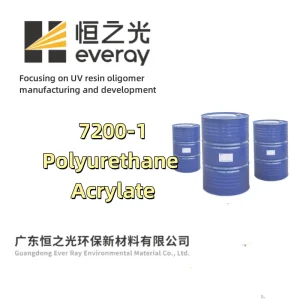
UV furniture coating 7200-1 Aliphatic polyurethane acrylate
Wholesale Durable UV furniture coating: 7200-1 Aliphatic polyurethane acrylate UV Resin Manufacturers, Factories
View Product Specs
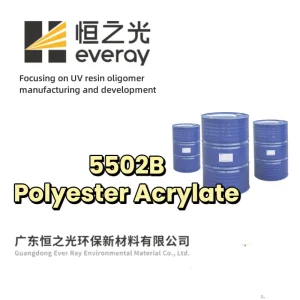
Polyester Acrylate 5502B Fast Reactivity
Wholesale Polyester Acrylate 5502B–Fast Reactivity, High Hardness, Low Odor, and Excellent Heat Resistance Suppliers, Product
View Product Specs
Polymer Chemistry & Engineering Insight

Understanding Photopolymerization Kinetics in Fast Drying Epoxy Resins

In industrial chemical procurement, selecting a Wholesale Fast Drying Epoxy Resin Supplier requires evaluating fundamental acrylate oligomer chemistry, free-radical photo-initiation conversion rates, and volume shrinkage dynamics under high-intensity ultraviolet (UV) or electron-beam (EB) exposure.

< 0.8s
Surface Tack-Free Time
> 95%
Double Bond Conversion Rate
6H
Pencil Hardness Potential
40,000 m²
Smart Synthesizing Plant

1. Molecular Design: Bisphenol-A Epoxy Acrylate vs. Special Modified Epoxy Acrylates

Standard Bisphenol-A Diglycidyl Ether Acrylate (BADGE-DA) forms the backbone of the fast-curing UV resin market due to its exceptionally high aromatic ring density, which yields outstanding tensile strength, high chemical resistance, and rapid radical propagation rates. However, unmodified epoxy acrylates present inherent challenges for specific high-speed industrial converting processes: high room-temperature viscosity (often exceeding 15,000 to 35,000 mPa.s at 25°C), high curing shrinkage stress (leading to micro-cracking or curl on flexible films), and limited adhesion to non-polar thermoplastic polymers.

Our engineering lab solves these physical bottlenecks through targeted molecular modifications. By chemically grafting flexibilized polyester chains, aliphatic urethane segments, or specialized organosilane functionality directly onto the epoxy backbone, our modified epoxy acrylates maintain hyper-fast crosslinking speeds while dramatically reducing cure shrinkage stress and lowering bulk viscosity. This dual structural optimization allows ink master-batchers and industrial coaters to eliminate heavy solvent dilution, achieving low-VOC or 100% solids compliance without forfeiting surface hardness.

Oligomer Chemical Class Viscosity (mPa.s @ 25°C) Tg (°C) Cure Speed (LED 395nm) Primary Physical Strength Key Target Substrates
Standard BPA Epoxy Acrylate 18,000 - 30,000 65 - 85 Ultra-Fast (< 150 mJ/cm²) Maximum Hardness & Chemical Barrier Wood, Rigid PVC, Metal Primers
Curing Modified Epoxy Acrylate (6231/6805A-1) 4,000 - 8,000 45 - 60 Fast (< 200 mJ/cm²) High Gloss, Superior Leveling & Flow Paper Varnishes, OPV, Plastic Films
Low-Shrinkage Modified Acrylate 2,500 - 5,500 35 - 50 Moderate to Fast Dimensional Stability & Optical Clarity Glass, Water Transfer Film, PET
Polyester Acrylate Oligomer (5403DF/5502B) 1,200 - 3,500 20 - 40 Fast Surface Reactivity Pigment Wetting & Ink Transferability Flexographic Inks, Offset OPV
Aliphatic Urethane Acrylate (7200-1) 6,000 - 12,000 30 - 55 Moderate Cure Speed Non-Yellowing Weatherability & Flexibility Outdoor Coatings, Automotive, 3C

2. Mitigating Oxygen Inhibition in High-Speed Converting Lines

A primary cause of surface tackiness and incomplete conversion in ultra-fast UV line printing is atmospheric oxygen inhibition. Free radicals generated by Type I photoinitiators (such as TPO or 184) are rapidly scavenged by ground-state oxygen molecules ($O_2$), forming unreactive peroxyl radicals ($ROO\cdot$). This chain termination leaves a sticky, under-cured boundary layer at the coating surface, particularly when using low UV lamp wattages or high-speed web presses moving at over 200 meters per minute.

To neutralize oxygen inhibition, our fast-drying epoxy oligomer lines incorporate synergistic amine co-initiators and amine-modified epoxy structures. The active hydrogens adjacent to the nitrogen atoms facilitate rapid hydrogen abstraction, consuming dissolved oxygen and regenerating active alkyl radicals. Formulators utilizing our modified fast-curing resins achieve full surface cure under lower energy radiation doses ($mJ/cm^2$), reducing equipment thermal output and eliminating surface tack on high-speed packaging lines.

Global Market Realities

Global Macro Trends & Commercial Procurement Demand Dynamics

The international specialty chemicals landscape is undergoing a structural transition toward zero-VOC energy-curing systems. Understanding global regulatory and economic catalysts helps procurement directors future-proof their chemical raw material supply chains.

The LED-UV Wavelength Transition

Global converting and coating operations are aggressively phasing out traditional medium-pressure mercury vapor lamps in favor of energy-efficient 365nm, 385nm, and 395nm LED-UV curing systems. This shift requires epoxy acrylates optimized for long-wave UV photo-initiation, demanding oligomers with higher reactivity to compensate for the narrower spectral output of solid-state LEDs.

Net-Zero VOC & Carbon Neutrality

Strict environmental mandates across Europe (REACH, EU Green Deal) and North America (EPA Clean Air Act) are penalizing solvent-based thermal curing operations. 100% solid fast-curing UV epoxy resins allow factories to reduce carbon footprints by up to 75% through the complete removal of drying ovens and solvent incinerators.

Cost of Quality (CoQ) Optimization

In high-volume manufacturing, slow resin cure speeds create production bottlenecks, leading to large work-in-progress (WIP) inventories and risk of dust contamination. Utilizing fast-drying epoxy oligomers provides instant inline stackability and immediate post-processing capability (die-cutting, stamping, packing).

Procurement ROI Case Study: Total Cost of Ownership (TCO) Shift

A major European packaging converter switched from solvent-borne thermal epoxy overprint varnishes to our fast-curing modified epoxy acrylate system (Grade 6805A-1). The operational analysis revealed a 68% reduction in electrical energy consumption per 10,000 square meters of printed paperboard, alongside a 400% throughput acceleration (line speed increased from 45 m/min to 180 m/min). Furthermore, the elimination of thermal baking ovens freed up 350 square meters of floor space, enabling the installation of an additional high-speed converting line.

Manufacturing Infrastructure Excellence

China Factory 4.0: Supply Chain Resilience & Batch Consistency

Operating from our advanced manufacturing hub in Guangdong, China, we combine chemical synthesis scale with Industry 4.0 process control to deliver reliable global chemical export services.

Core Advantage 01

Raw Material Vertical Integration

Located within China’s chemical manufacturing corridor, we maintain direct pipeline and bulk container access to high-purity Epichlorohydrin, Bisphenol-A, Acrylic Acid, and acrylic monomer feedstocks, insulating global clients from raw material market volatility.

Core Advantage 02

Automated Batch Reactors

Our synthesis lines utilize DCS (Distributed Control System) automated thermal and esterification controls. Precise temperature ramp rates during acrylic acid addition prevent micro-gelation and lock in narrow molecular weight distributions ($M_w/M_n$).

Core Advantage 03

Strict QC & Spectrophotometry

Every batch undergoes rigorous quality control including Gardner color index testing (< 1.0 target), Brookfield cone-and-plate viscosity verifications, acid value titration (< 1.0 mg KOH/g), and GC-MS residual monomer analysis.

Core Advantage 04

Global Compliance & Packaging

Export shipments are packaged in light-shielded, UN-approved 200kg steel drums or 1,000kg IBC totes with nitrogen blanketing. All grades carry full SDS, TDS, REACH, RoHS, and GHS-compliant multilingual documentation.

Targeted Industrial Scenarios

Localized High-Value Application Scenarios

Formulating custom coatings and inks requires matching resin molecular dynamics to specific application techniques and end-use environments.

1. High-Speed Paper Overprint Varnishes (OPV)

In luxury packaging and commercial print finishing, overprint varnishes must achieve immediate clarity, high mirror gloss (over 90 GU at 60°), and instant block resistance under stack pressure. Utilizing modified epoxy acrylates such as Grade 6805A-1 or 5450 allows flexographic and roller-coating equipment to operate at maximum mechanical speeds without yellowing or orange-peel defects.

2. Hardwood & Rigid SPC Flooring Roll-Coatings

Industrial flooring lines require ultra-tough primers and scratch-resistant topcoats. Epoxy acrylates combined with high-functionality polyester acrylates (such as 5502B) build thick, durable crosslinked networks over wood veneer or Stone Plastic Composite (SPC) substrates, providing 5H-6H pencil hardness and excellent resistance to household chemicals and foot-traffic abrasion.

3. Consumer Electronics & Automotive Plastics

3C electronics (notebook housings, smartphones) demand hard coatings with stringent chemical barrier properties against sweat, cosmetics, and thermal shock. Blending fast-curing epoxy resins with aliphatic polyurethane acrylates (Grade 7200-1) ensures non-yellowing performance with impact absorption on PC, ABS, and PMMA polymers.

4. Water Transfer Printing & Glass Adhesion Primers

Glass bottles, ceramics, and complex metallic surfaces require specialized low-shrinkage acrylates that prevent delamination after water bath immersion or boiling tests. Our modified acrylates engineered for glass water transfer films promote inter-layer chemical bonding with silane coupling agents, maintaining film integrity under thermal stress.

Complete Wholesale Product Portfolio

Specialty Acrylates, Monomers & High-Adhesion Oligomers

Explore our full range of specialty functional acrylates, high-adhesion bisphenol-A epoxy resins, matte UV oligomers, and high-speed offset ink resins.
Wholesale 7913 High Reactivity Anti-fouling Polyurethane Acrylate
Wholesale 7913 High Reactivity Anti-fouling & Abrasion Resistant Polyurethane Acrylate UV Resin Factories, Product
View Product Specs
High adhesion 6100D-85 epoxy acrylate for UV wood coating
Buy High adhesion 6100D-85 epoxy acrylate for UV wood coating applications, etc. Suppliers, Factory
View Product Specs
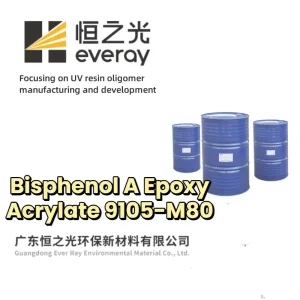
Wholesale Bisphenol A Epoxy Acrylate Resin 9105M-80
Wholesale Bisphenol A Epoxy Acrylate Resin 9105M-80: A Versatile Core Resin for Durable and Glossy UV Coatings Product, Products
View Product Specs
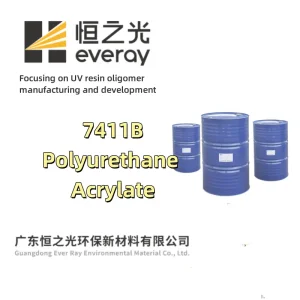
High-Quality 7411B UV Resin Low Viscosity Matte Applications
High-Quality 7411B UV Resin: Ideal low viscosity, high solids solution for matte UV applications Supplier, Suppliers
View Product Specs
Multifunctional 7253A-5 UV resin heat resistant cold resistant
High-Quality Multifunctional 7253A-5 UV resin: heat-resistant, cold-resistant, suitable for various adhesives Manufacturers, Factory
View Product Specs
Polyester Acrylate 5319A-1 UV Coatings
Buy Polyester Acrylate 5319A-1–A Reliable Solution for High-Performance UV Coatings Manufacturer, Products
View Product Specs
5336B Polyester Acrylate Resin Ultra-Fast Cure Offset Flexo Inks
Buy 5336B High-Performance Polyester Acrylate Resin | Ultra-Fast Cure for UV Offset & Flexo Inks Suppliers, Product
View Product Specs
Polyester Acrylate 5405B Multi-Field UV Applications
Wholesale Polyester Acrylate 5405B – A High-Efficiency Solution for Multi-Field UV Applications Manufacturers, Factory
View Product Specs
Technical & Procurement FAQ

Frequently Asked Questions by Polymer Engineers & Procurement Teams

In-depth answers addressing resin chemistry, formulation adjustments, quality assurance, and international purchasing logistics.

Q1: What defines a "Fast Drying Epoxy Resin" in radiation-curable industrial systems?
In radiation curing (UV/EB), "fast drying" refers to ultra-rapid free-radical photopolymerization where liquid acrylate oligomers transition into a fully crosslinked, tack-free solid thermoset film in under one second upon exposure to UV energy (typically 100 to 300 mJ/cm²). Unlike solvent-based epoxies that rely on thermal solvent evaporation or two-component (2K) amine crosslinking over 12-24 hours, fast-drying UV epoxy acrylates cure instantaneously via double-bond polymerization of acrylate functional groups ($CH_2=CH-COO-$).
Q2: How do you lower the viscosity of Bisphenol-A epoxy acrylate without compromising cure speed or hardness?
Standard Bisphenol-A epoxy acrylates exhibit high viscosity (up to 30,000 mPa.s at 25°C). To reduce viscosity for spray or flexographic application, formulators typically incorporate reactive monomer diluents such as Tripropylene Glycol Diacrylate (TPGDA), Hexanediol Diacrylate (HDDA), or Trimethylolpropane Triacrylate (TMPTA). Alternatively, our factory produces pre-diluted grades (e.g., 9105M-80 containing 20% monomer) and modified low-viscosity epoxy acrylates (such as 6231), which utilize chemical backbone modification to achieve lower bulk viscosity while maintaining high glass transition temperatures ($T_g$).
Q3: What causes yellowing in cured epoxy resin films, and how can formulators prevent it?
Yellowing in epoxy coatings stems primarily from photo-oxidation of the aromatic rings in Bisphenol-A structures under continuous UV light exposure. For indoor applications (wood furniture, paper varnishes), standard epoxy acrylates are ideal due to high hardness and low cost. For outdoor weatherable coatings or non-yellowing clear coats, formulators should blend or replace epoxy acrylates with Aliphatic Polyurethane Acrylates (such as Grade 7200-1), which utilize non-aromatic isocyanate structures that resist UV degradation.
Q4: What is the typical shelf life and recommended storage conditions for wholesale epoxy acrylates?
When stored in original unopened, light-shielded containers at temperatures between 10°C and 25°C, our UV-curable epoxy acrylates maintain a minimum shelf life of 12 months. Resins must be kept away from direct sunlight, ambient UV sources, and strong oxidizing agents. Adequate air headspace must be maintained inside steel drums, as dissolved oxygen acts as a primary stabilizer in conjunction with free-radical inhibitors like MEHQ.
Q5: Can your factory provide custom modifications for viscosity, color, or reactivity?
Yes. Our Guangdong R&D center specializes in custom resin synthesis for industrial formulators. We can adjust parameters such as acrylate functionality, viscosity profiles, color index targets (Gardner < 0.5 for optical clarity), acid values, and adhesion promoters (e.g., carboxyl or phosphate modification) to match specific substrate bonding requirements or specialized LED lamp setups.
Q6: How do your products comply with international chemical regulations (REACH, RoHS, TSCA)?
Guangdong Ever Ray Environmental Material Co., Ltd. ensures full international regulatory compliance. Our raw materials and synthesized oligomers comply with EU REACH registration guidelines, RoHS heavy metal restrictions, and US TSCA inventory requirements. Detailed Safety Data Sheets (SDS) adhering to GHS standards are provided with all sample evaluations and commercial orders.
Q7: What packaging formats are available for bulk container sea freight shipments?
We provide export-grade packaging tailored to buyer logistics preferences: standard 200 kg steel drums (4 drums per pallet, 80 drums per 20-foot container) and 1,000 kg UN-certified IBC totes. All containers are vacuum-sealed with anti-corrosion linings and light-blocking covers to guarantee product stability during transoceanic transit.
Q8: How can formulators request R&D evaluation samples and technical datasheets?
Formulators and purchasing agents can request 1kg - 5kg evaluation samples directly by contacting our sales engineering team via email or WhatsApp. Every sample shipment includes a lot-specific Certificate of Analysis (COA), Technical Data Sheet (TDS), and starting point formulations prepared by our application lab.