Explore our premium commercial grades engineered for rapid curing, low shrinkage, superior mechanical adhesion, and exceptional chemical resistance.
72021E UV Resin: Engineered for versatile multi-substrate bonding with ultra-fast surface cure speed and minimal volumetric shrinkage.
Wholesale 72021E UV-resin for Multi-Substrate Bonding Manufacturers, Supplier
UV Resin 5017: Low-odor, ultra-low shrinkage oligomer designed specifically for high-precision UV inks and industrial varnishes.
Wholesale UV Resin 5017 with Low Odor, Low Shrinkage for UV Inks and Varnishes Supplier, Suppliers
1291B-1 UV Coating: Advanced antifouling polymer additive delivering slick hydrophobic surface properties and scratch resistance.
High-Quality Enhance UV coating using the antifouling function of 1291B-1 Manufacturer, Products
61163 Epoxy Acrylate: High-solid, low-viscosity anti-yellowing modified epoxy acrylate oligomer optimized for protective UV coatings.
Wholesale 61163 High Solid Low Viscosity Anti-Yellowing Modified Epoxy Acrylate Resin For UV Coating Suppliers, Factory
5450 UV Resin: Specialized formulation preventing screen creeping in high-gloss paper overprint varnishes and graphic art coatings.
Wholesale 5450 UV resin for UV coating, paper varnish, screen creeping Factories, Products
6851A Epoxy Oligomer: Exceptional optical clarity and yellowing resistance for gel polishes, high-grade inks, and electronics coatings.
High-Quality 6851A High-Performance Modified Epoxy Acrylate Resin | For UV Coatings, Inks & Gel Polishes | High Transparency & Yellowing Resistance Suppliers, Products
Polyester Acrylate 5336: Excellent pigment wetting capability combined with fast photopolymerization rates for demanding UV printing inks.
Buy Polyester Acrylate 5336 – The Ideal Resin for High-Performance UV Inks and Varnishes Supplier, Suppliers
17701 Acrylate Oligomer: Ultra-low shrinkage stress resin formulated to eliminate film curling in offset and flexible packaging film inks.
Buy 17701 Low Shrinkage Modified Acrylate Oligomer - Resin for Offset and Film Inks Factories, ProductStrategic shift toward sustainable, low-VOC, high-speed photopolymer systems across international industrial sectors.
The global demand for Resin Epoksi (Epoxy Resins) and modified UV acrylate oligomers is experiencing unprecedented growth. Driven by stringent international environmental regulations restricting Volatile Organic Compounds (VOCs) and Hazardous Air Pollutants (HAPs), major chemical formulation plants are transitioning away from traditional solvent-borne systems toward 100% solid content UV/EB curable systems.
This macro shift is particularly evident in high-precision manufacturing hubs across Europe, North America, and East Asia, where high throughput and instant curing mechanisms drastically reduce energy consumption and footprint during industrial production.
Unlike standard market resellers, an authentic direct OEM manufacturer of modified epoxy acrylates integrates precise chemical synthetic pathways—specifically optimizing the reaction between bisphenol-A diglycidyl ether (DGEBA) and acrylic acid. By controlling the esterification catalysts, ring-opening reaction kinetics, and free-monomer residuals, our manufacturing process achieves higher double-bond conversion rates, yielding epoxy resins with zero unreacted epoxy groups, balanced viscosity, and unmatched chemical resistance.
Addressing core technical requirements: batch consistency, compliance documentation, viscosity tuning, and long-term price stability.
Global formulators frequently report line failures due to fluctuating oligomer viscosities and color index drift. Our automated, computer-controlled reactors enforce rigid polymer chain length distribution control. Every batch of wholesale resin epoksi undergoes gel permeation chromatography (GPC) and rheological testing to guarantee a viscosity tolerance within ±5% of agreed TDS specifications.
Navigating global regulatory barriers demands complete chemical transparency. We supply standardized technical data sheets (TDS), safety data sheets (SDS) fully compliant with GHS criteria, and verified Certificates of Analysis (COA) for every shipment. Our resin epoksi materials strictly meet EU REACH registration standards, US EPA TSCA inventories, and RoHS/SVHC environmental directives.
By eliminating intermediary brokers and chemical traders, enterprise purchasing directors obtain direct factory-level pricing structure. Combined with flexible synthesis options—such as adjusting oligomer diluent monomer ratios (e.g., TPGDA, TMPTA, or HDDA)—we help formulators lower raw material unit costs without compromising cure speed, hardness, or crosslink density.
Procurement Insight: High-volume coating formulators can request customized resin modifications. Whether you require higher glass transition temperature ($T_g$), reduced skin irritation index (PII), or adjusted reactive functionality, our chemical engineering laboratory delivers tailored prototype samples within 7 business days.
Industrial performance engineered specifically for demanding commercial application environments.
Mobile phones, tablets, and wearable housings demand extreme scratch resistance (pencil hardness ≥ 3H) and non-yellowing characteristics. Our aliphatic modified epoxy acrylates deliver exceptional clarity, chemical resistance against perspiration/cosmetics, and superior adhesion to PC, ABS, and PMMA polymers.
For high-speed flexographic, offset, and screen printing lines, our low-shrinkage polyester acrylates and amino acrylate synergists suppress oxygen inhibition during ambient air curing. They yield high-gloss, scuff-resistant overprint varnishes (OPV) that adhere tenaciously to metallic foils and filmic substrates.
Heavy-duty parquet flooring and SPC luxury vinyl tiles require instant UV sanding sealers and abrasion-resistant topcoats. Our epoxy acrylate resins provide high backbone stiffness, fast reactivity, and superior resistance to chemical cleaners, hot coffee, and mechanical impacts.
Precise SLA/DLP/LCD 3D printing resins require balanced tensile strength, low volumetric shrinkage (< 1%), and fast light absorption response at 365nm-405nm LED wavelengths. Our specialty engineering resins mimic ABS mechanical behavior with high impact resistance.
Formulating UV-curable adhesives for glass-to-metal or glass-to-glass assembly requires low exotherm, optical transparency (> 99% light transmission), and resilience against thermal cycling and boiling water immersion tests.
Cosmetic formulations strictly mandate biocompatibility, low heat generation during polymerization (low exothermic reaction peak), low odor, and skin-friendly profiles combined with high flexibility and high gloss retention.
Understanding the fundamental polymer mechanics: Epoxy Acrylates vs. Polyurethane Acrylates vs. Polyester Acrylates.
| Oligomer Backbone Type | Cure Speed | Hardness ($T_g$) | Flexibility | Yellowing Resistance | Substrate Adhesion | Primary Industrial Use |
|---|---|---|---|---|---|---|
| Standard Bisphenol-A Epoxy Acrylate | Very Fast | High (> 80°C) | Low / Rigid | Moderate | Good (Wood/Metal) | Overprint Varnishes, Wood Primers, Metal Coatings |
| Modified Epoxy Acrylate | Fast | High (60-80°C) | Balanced | High (Anti-Yellowing) | Excellent (Plastics) | Screen Inks, Gel Polishes, Plastic Coatings |
| Aliphatic Polyurethane Acrylate (PUA) | Moderate | Tunable | High / Elastic | Superior (Non-Yellowing) | Superior (Films/Glass) | Outdoor Automotive, 3C Clearcoats, TPU/PVC Films |
| Polyester Acrylate | Fast | Moderate | Good | Good | High (Paper/Cellulose) | Offset Litho Inks, Pigment Dispersions, Packaging |
| Hyperbranched Acrylate Oligomer | Ultra-Fast | Very High | Low Shrinkage Stress | High | High Crosslink Density | High-Speed UV LED Line Coatings, Scratch Topcoats |
Free-radical photopolymerization is inherently susceptible to oxygen inhibition, where atmospheric triplet oxygen ($^3\text{O}_2$) quenches photo-induced free radicals, resulting in sticky or tacky surface layers. To overcome this technical challenge without requiring costly nitrogen inerting blankets, our chemical formulation incorporates built-in amino acrylates and active amine synergists.
These amine co-initiators undergo rapid hydrogen abstraction reactions, creating active alkylamino radicals that consume oxygen molecules rapidly at the coating interface, ensuring complete tack-free surface conversion even under low energy LED light sources.
Standard acrylate monomers experience significant volumetric contraction during the conversion of double bonds ($C=C$) into single covalent bonds ($C-C$), creating residual internal stress that weakens interfacial adhesion on non-porous substrates (such as glass, aluminum, and untreated PET). Our modified epoxy and pure acrylate oligomer architectures utilize flexible polyester segments and hyperbranched star-like polymer topologies. This spatial arrangement accommodates crosslinking density while dissipating internal stress, ensuring long-term adhesion stability without micro-cracking.
Strategic development aligned with decarbonization, LED-UV wavelengths, and bio-based chemical feedstocks.
Traditional medium-pressure mercury lamps are rapidly being replaced by energy-efficient LED-UV curing systems. Our latest oligomer lines are specifically re-engineered to deliver peak spectral sensitivity matched with long-wavelength LED photoinitiators (such as TPO and 819), enabling deep-section curing at significantly reduced electrical consumption.
To eliminate reactive diluent monomer vapors and residual skin irritation risks, waterborne polyurethane acrylate dispersions (UV-PUD) combine zero-VOC water dilution with high UV curing performance, making them ideal for eco-sensitive wood furniture and automotive leather topcoats.
Advancing corporate sustainability goals, our synthesis division is increasing the proportion of renewable plant-based feedstocks (such as bio-based epoxidized soybean oil acrylates and bio-polyols) into our epoxy resin matrix, reducing carbon footprint while maintaining industrial performance standards.
Ensuring compliance, safe hazardous material packaging, and reliable international maritime shipping.
In-depth answers to common questions regarding wholesale epoxy resin procurement and technical application.
Standard Bisphenol-A epoxy acrylates deliver exceptional hardness, high gloss, and extremely fast curing speeds, but suffer from rigidity and tendency to yellow under UV light exposure. A modified epoxy acrylate chemically incorporates flexible polyester or polyurethane segments into the epoxy backbone, significantly improving flexibility, substrate adhesion (especially on plastics), and yellowing resistance while maintaining high cure speed.
We utilize automated mass-flow reaction control systems during synthesis and test every batch using high-precision cone-and-plate viscometers at controlled temperatures (25°C). Every lot is issued a COA detailing viscosity, acid value, color scale (Gardner/APHA), and monomer content. Standard tolerances are strictly kept within ±5% of client baseline specifications.
For demanding outdoor applications, automotive trim, or non-yellowing nail gel polishes, Aliphatic Polyurethane Acrylates (Aliphatic PUA) are strongly recommended. Unlike aromatic structures or standard epoxy acrylates, aliphatic structures do not contain chromophore-forming aromatic rings that break down under sunlight UV exposure.
Yes. As a direct chemical manufacturer, we can pre-dilute high-viscosity oligomers with specific reactive diluent monomers (such as HDDA, TPGDA, TMPTA, or DPOA) according to your formulation parameters, simplifying your mixing process and lowering handling overhead.
We provide full Technical Data Sheets (TDS), Safety Data Sheets (SDS compliant with OSHA/GHS and EU REACH), Certificates of Analysis (COA) per batch, and SVHC/RoHS compliance declarations upon request.
Explore our extended portfolio of UV inks, modified acrylates, high-adhesion resins, and engineering materials.
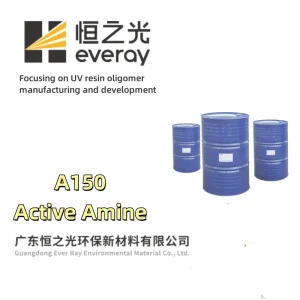
A150 UV Resin: Premium grade specialized for offset inks and protective clearcoats requiring high gloss and instant surface cure.
High-Quality A150 UV-resin for UV-ink and UV-coatings Supplier, Factory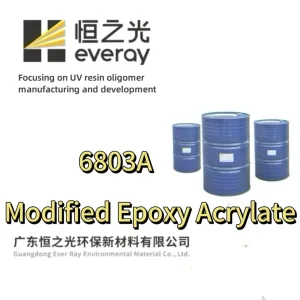
6803A Epoxy Oligomer: High-gloss, fast-curing modified resin designed for plastic coatings, overprint varnishes, and screen inks.
Wholesale 6803A Modified Epoxy Acrylate Resin High Gloss Fast Curing Oligomer for UV Ink Varnish & Plastic Coating Manufacturers, Product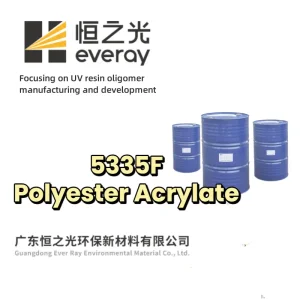
Polyester Acrylate 5335F: Engineered specifically to optimize litho lithographic water-ink balance in offset printing inks.
Buy Polyester Acrylate 5335F A High-Performance Solution for Offset Inks Supplier, Factory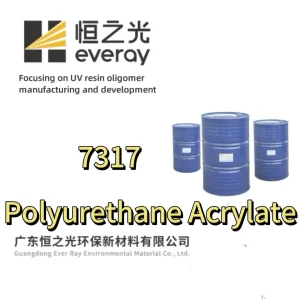
7317 PUA Oligomer: Highly reactive, flexible polyurethane acrylate creating special tactile wrinkle and snowflake pattern inks.
Wholesale 7317 High Reactivity Flexible Polyurethane Acrylate Oligomer for UV Wrinkle & Snowflake Ink Manufacturer, Factories
17730A-2 Acrylate Resin: Outstanding water boiling resistance, superior flow leveling, and anti-yellowing for glass UV coatings.
Wholesale 17730A-2 Special Modified Acrylate Resin High Water Resistance & Leveling Anti-Yellowing for Glass UV Coating & Ink Manufacturer, Products
71209A-1 Engineering Resin: High-strength, high-impact resistance resin formulation mimicking structural ABS plastics in 3D printing.
Buy 71209A-1 ABS-Like Engineering Resin: High Strength Meets High Impact Resistance Manufacturers, Suppliers
Durable 6271 UV Resin: Low yellowing risk optical resin ideal for high-durability UV structural adhesives and optical bonding.
Buy Durable 6271 UV resin: very suitable for UV adhesive with low yellowing risk Factory, Products
Flex Polyurethane Resin: Low-shrinkage, flexible UV oligomer engineered for nail gels, synthetic leather, and wood topcoats.
Wholesale Low Shrinkage High Flexibility UV Curing Polyurethane Acrylate Resin for Nail Gel, Leather and Wood Manufacturer, ProductsRequest technical data sheets (TDS), safety documentation (SDS), custom sample blends, or factory direct price quotes from our senior chemical application engineers.
