Direct factory-grade oligomers and prepolymers formulated for scratch-resistant coatings, UV inks, structural adhesives, and optical films.
In high-value industrial and consumer manufacturing, surface degradation caused by mechanical abrasion, micro-scratching, chemical exposure, and environmental weathering represents a multi-billion-dollar challenge. Modern scratch-resistant materials have evolved far beyond conventional physical hard-coats into highly sophisticated molecularly engineered polymer networks.
As a primary China-based chemical manufacturer and global wholesale supplier, our synthesis paradigm focuses on optimizing the fundamental physical trade-offs in radiation curing chemistry: **balancing pencil hardness (up to 9H) with structural elasticity, adhesion promotion, and low curing shrinkage**.
Utilizing hexafunctional and hyperbranched aliphatic urethane acrylates to create ultra-dense acrylate double-bond conversion (>92%), restricting macromolecular slip under point-impact forces.
Incorporating soft segment polyether/polycarbonate backbones within rigid acrylic rings, creating an energy-dissipating dynamic matrix that recovers from micro-indentations.
Specialty functionalized modified monomers mitigate the typical 8-12% volumetric contraction during polymerization, eliminating internal stress and preventing substrate curl or delamination.
Driven by stringent global environmental regulations, escalating consumer expectations for device longevity, and smart industrial automation, the market for scratch-resistant materials is undergoing four key strategic shifts:
Global manufacturers are rapidly phasing out traditional mercury vapor UV lamps in favor of energy-efficient 365nm / 395nm LED-UV systems. This transition demands resin formulations with modified photoinitiator synergy and specialized acrylate oligomers (such as active amines and polyester acrylates) that eliminate surface tackiness and oxygen inhibition without requiring inert nitrogen blanketing.
Integrating surface-modified colloidal silica, nano-alumina, and zirconate nanoparticles into aliphatic polyurethane acrylate matrices has enabled coatings that achieve optical transparency (>92% VLT) alongside extreme scratch resistance (Taber abrasion loss < 5mg after 1000 cycles under ASTM D4060 testing standards).
Regulatory bodies including REACH, EU RoHS, and China's GB38508-2019 are pushing chemical formulators toward zero-VOC waterborne UV polyurethane dispersions (PUDs). These green formulations deliver excellent scratch resistance on porous wood, leather, and temperature-sensitive plastic substrates without toxic monomer odors.
Next-generation 3C electronics and luxury automotive interior panels require soft-touch textures combined with self-healing capabilities. By blending dynamic hydrogen-bonded polyurethane networks with dense acrylic cores, minor scratches repair themselves automatically under mild thermal exposure or ambient friction.
Selecting the optimal scratch-resistant resin oligomer requires evaluating chemical structures against process constraints, cure speeds, and target mechanical specifications. Below is an engineering benchmark table comparing core product categories manufactured at our Guangdong synthesis plant:
| Resin Chemistry Category | Pencil Hardness | Flexibility & Elongation | Abrasion Resistance | Substrate Adhesion | Primary Industrial Use Case |
|---|---|---|---|---|---|
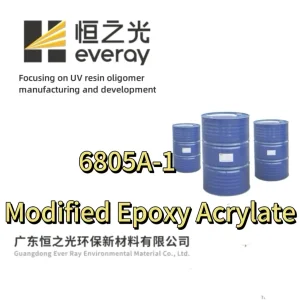
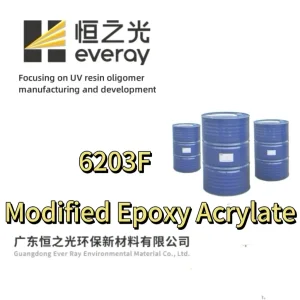
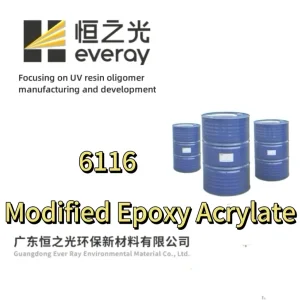
| Bisphenol A Epoxy Acrylate | 5H - 7H | Low (< 5%) | Very High | Metals, Glass, Hard Plastics | Industrial Wood Coatings, Paper Overprint Varnishes (OPV), Metal Decorating Inks |
| Aliphatic Polyurethane Acrylate (6-Func) | 4H - 6H | Moderate (15 - 30%) | Extreme (Taber Optimized) | PC, ABS, PMMA, PET | 3C Mobile Housings, Automotive Touchscreens, Optical Films |
| Polyester Acrylate Oligomer | 2H - 4H | High (30 - 60%) | Moderate to High | Porous Wood, Paper, PVC | Flexographic Inks, UV Offset Colors, Low-Viscosity Primers |
| Waterborne UV Polyurethane Dispersion | 2H - 3H | Very High (> 100%) | High | Leather, Engineered Wood, Vinyl | Eco-Friendly Flooring, Automotive Leather Topcoats, Sustainable Packaging |
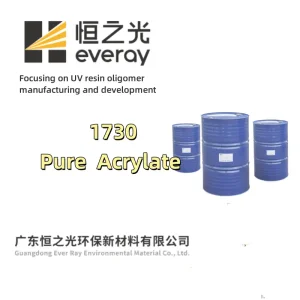
| Pure Acrylate / Modified Monomers | 1H - 3H | Flexible / Tailored | Moderate | Difficult Substrates (PP/PE) | Active Diluents, Viscosity Adjusters, Pressure Sensitive Adhesives |
Operating from our modern 40,000 m² synthesis manufacturing hub in Guangdong, China, our organization bridges advanced chemical R&D with large-scale industrial bulk manufacturing. Overseas OEM formulators and wholesale distributors rely on our infrastructure to overcome global supply disruptions.
Fully integrated Distributed Control Systems (DCS) monitor reaction temperatures, esterification pressure, and acrylation stoichiometry in real time, guaranteeing batch-to-batch viscosity tolerances within ±5%.
Every batch undergoes rigorous quality validation including Gel Permeation Chromatography (GPC), Fourier Transform Infrared Spectroscopy (FTIR) fingerprinting, Brookfield Viscometry, and Pencil Hardness verification.
With raw material vertical integration and bulk chemical storage, we guarantee 7-14 day production lead times for standard grades, providing export packaging compliant with international maritime dangerous goods (IMDG) codes.
Our scratch-resistant materials are optimized for specific industrial line speeds, curing wavelengths, and substrate preparation protocols across five core market segments:
Applied as clear hardcoats on smartphone back covers, laptop housings, and wearable smartwatches. Formulations utilizing aliphatic urethane acrylates provide anti-fingerprint compatibility, chemical resistance to skin oils, and 5H pencil hardness on PMMA/PC substrates.
Used in interior touchscreens, center consoles, and decorative trim panels. Delivers high optical transparency with low yellowing index (ΔE < 0.5 under 1000h QUV testing) and thermal resistance (-40°C to +85°C thermal cycling).
Incorporated into topcoat wear layers for luxury vinyl tile (LVT) and stone plastic composite (SPC) flooring. Provides stain protection, anti-microbial resistance, and superior resistance against heavy foot traffic scratch abrasion.
Precision roll-to-roll slit coating on PET and TAC optical films for anti-reflective (AR) and anti-glare (AG) displays. Ensures low curing curl and defect-free micro-replication surface topography.
Applied via flexographic or offset coating towers on folding cartons, cosmetic boxes, and luxury packaging. Delivers rapid tack-free surface curing at line speeds exceeding 150 meters/minute.
Engineered for shadowless glass-to-metal bonding and optical clear adhesive (LOCA/OCA) applications. Combines zero yellowing with low shrinkage stress to maintain durable bond integrity.
Complete your coating or adhesive formulations with our specialized UV-curable oligomers and high-reactivity diluents.
Expert guidance from our senior chemical synthesis engineers for formulators and purchasing teams.
Collaborate directly with our polymer synthesis engineers to customize viscosity, functionality, and curing speed for your specific application requirements.