Direct factory supply featuring optimized oligomers, epoxy acrylates, and special modified UV/epoxy systems for industrial coatings, wood finishing, and electronics.
An engineering breakdown of thermosetting thermoset polymer behavior, low-viscosity monomer design, and self-smoothing fluid dynamics in modern surface engineering.
Self-leveling epoxy resins rely on precise equilibrium between surface tension gradient reduction and pseudoplastic flow behaviour. Incorporating polyether-modified polysiloxanes and reactive diluents allows formulations to achieve auto-deaeration and flawless mirror-like finishes without cratering or pinhole defects.
Combining bisphenol A/F epoxy backbones with acrylic oligomer functionality allows for dual-cure UV and amine cross-linking. This hybrid advancement slashes cure latency from 24 hours down to minutes in high-throughput industrial assembly lines while maintaining deep section thermal stability.
Global regulatory shifts (REACH, EPA, California CARB) necessitate transition to 100% solids, zero-solvent matrix systems. Modern self-leveling resins integrate low-odor cycloaliphatic amine curing agents and solvent-free reactive diluents to eliminate volatile organic emission during application.
The global demand for high-performance self-leveling epoxy resins is experiencing a structural surge driven by industrial automation, semiconductor fabrication, cleanroom construction, and commercial real estate modernization. Formulators and wholesale buyers no longer evaluate epoxy products solely on basic tensile strength or gloss retention; today's buying criteria require comprehensive performance validation including Tg (Glass Transition Temperature), Shore D hardness evolution, chemical resistance matrices, and long-term anti-yellowing indexes under UV exposure.
In heavy-duty manufacturing environments, floor coatings and encapsulants endure severe mechanical abrasion, dynamic loads from automated guided vehicles (AGVs), and chemical contact with caustic cleansers or oils. Consequently, raw material engineers utilize bisphenol F resin blends to lower formulation viscosity without sacrificing cross-link density, ensuring optimal self-smoothing capabilities even at low ambient working temperatures.
Direct comparative parameters engineered for procurement officers, chemical buyers, and R&D formulators seeking precision chemical performance.
| Resin Chemistry System | Viscosity (25°C mPa.s) | Shore D Hardness | Pot Life (100g @ 25°C) | Primary Industrial Application | Key Performance Feature |
|---|---|---|---|---|---|
| Standard Bisphenol A Epoxy | 12,000 – 15,000 | 80 – 85D | 30 – 45 mins | Industrial Concrete Flooring | High mechanical strength, cost efficiency |
| Bisphenol F Low-Viscosity Epoxy | 2,500 – 4,500 | 82 – 86D | 40 – 55 mins | Self-Leveling Screeds & Potting | Superior flow, anti-crystallization |
| Cycloaliphatic Modified Epoxy | 800 – 1,800 | 78 – 83D | 25 – 35 mins | Outdoor Architectural Terrazzo | Enhanced UV resistance, low yellowing |
| UV-Curable Epoxy Acrylate Hybrid | 500 – 1,200 | 85 – 90D | Unlimited (UV Shielded) | 3C Electronics & High-Speed Lines | Instant UV cure, scratch resistance |
| Flexible Urethane-Modified Epoxy | 3,000 – 6,000 | 65 – 75D | 35 – 50 mins | Vibration Isolation & Crack Bridging | High elongation, impact damping |
Leveraging automated closed-loop reaction kettle clusters, real-time viscosity tracking, and direct raw material integration in Guangdong's premier chemical clusters.
Fully digitized Distributed Control Systems (DCS) monitor reaction temperatures within ±0.2°C, guaranteeing exact etherification, esterification, and oligomeric weight distribution in every single synthesis batch.
Real-time dynamic viscosity measurement during the condensation process eliminates batch deviation, ensuring that self-leveling resin viscosity meets precise specification limits prior to automated packaging.
Direct pipeline integration with premier epichlorohydrin (ECH), bisphenol, and acrylic ester refineries insulates global distributors from raw material price volatility and guarantees uncompromised lead times.
Engineered formulations suited for extreme environment stresses across industrial facilities, high-tech manufacturing, and luxury architectural developments.
Seamless, dust-free self-leveling epoxy flooring eliminates grout lines where micro-organisms accumulate. Excellent chemical resistance to isopropyl alcohol, sporicidal disinfectants, and heavy decontamination protocol.
Formulated to resist severe impact and continuous rolling forklift tire resistance. Integrates anti-static conductive filler matrices (10^6 - 10^9 ohms) for electronics assembly plants and explosive storage zones.
Low viscosity allows rapid micro-bubble dissipation in delicate transformer, PCB, and LED encapsulations. Provides thermal conductivity up to 1.2 W/mK and high dielectric breakdown voltage strength (>22 kV/mm).
Ultra-clear epoxy binders accommodate metallic pigments, quartz aggregates, and glass chips. UV-stabilized aliphatic formulations ensure vibrant color longevity in daylight-filled atriums and retail hubs.
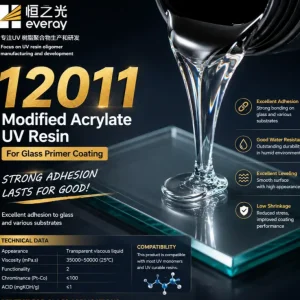
Specialized silane-functionalized acrylates achieve permanent chemical bonding to non-porous glass and ceramic substrates, delivering boiling-water resistance and zero optical haze.
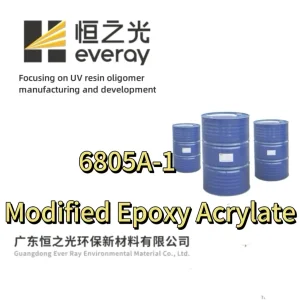
Modified epoxy acrylates providing high pencil hardness (3H–5H) and rapid line speed curing (>15 m/min) for industrial automated roller coating lines on MDF, veneer, and solid hardwood.
Explore our full wholesale catalogue engineered for offset inks, glass coatings, nail extensions, and heavy-duty industrial varnishes.
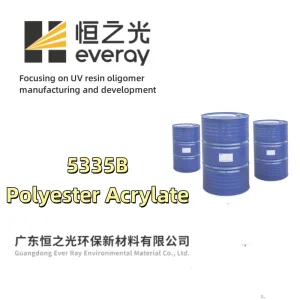
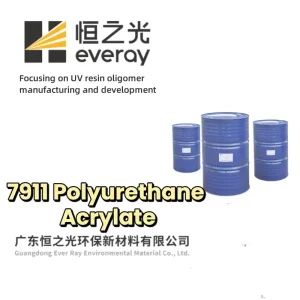
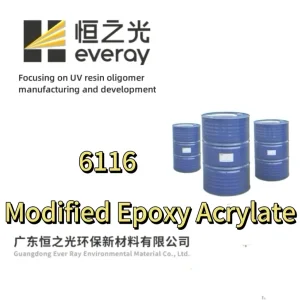
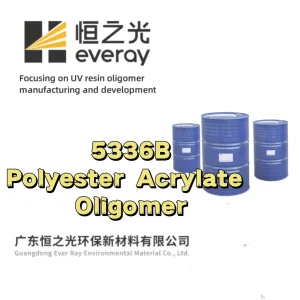
In-depth guidance provided by our senior chemical engineers to solve real-world formulation and application challenges.
