Engineered to deliver exceptional reactivity, low shrinkage, and superior substrate adhesion under humid tropical processing environments.
The rapidly evolving manufacturing ecosystem across Dhaka, Chittagong, Gazipur, and Narayanganj demands next-generation UV curable raw materials to replace traditional high-VOC solvent formulations.
Bangladesh’s Ready-Made Garment (RMG) sector is converting to high-speed UV-curable textile inks. Modified acrylate monomers provide ultra-low viscosity diluents that improve pigment dispersions, lower tack, and survive harsh wash tests without cracking or leaching.
With fast-moving consumer goods (FMCG) expanding rapidly in Chittagong and Dhaka, industrial print houses require low-odor, low-migration modified acrylate monomers (such as Ethoxylated TMPTA and DPDDA) to meet stringent food-safety and international export packing rules.
Modern furniture manufacturers in Bangladesh utilize UV LED surface curing systems. Our modified monofunctional and polyfunctional monomers increase scratch resistance, prevent yellowing under intense ambient heat, and eliminate thermal deformation during high-speed line operations.
A deep dive into crosslinking density, glass transition temperature (Tg) control, viscosity dilution, and radical photopolymerization dynamics for chemical engineers and R&D chemists.
In UV coating and ink formulations, modified acrylate monomers function primarily as reactive diluents. Unlike conventional volatile solvents that evaporate and contribute to hazardous VOC emissions, reactive monomers co-polymerize into the permanent crosslinked polymer matrix.
By carefully modifying the chemical backbone—incorporating ethoxylated (EO), propoxylated (PO), or alkoxylated chains—chemists can dramatically decrease skin irritation (Primary Irritation Index, P.I.I.) while maximizing double-bond conversion under both traditional mercury vapor lamps and energy-efficient 365nm/395nm UV-LED curing arrays.
A primary challenge when formulating UV-curable coatings for glass, metal, or rigid plastics in Bangladesh's hot climate is polymerization shrinkage. As double bonds (C=C) convert into single covalent bonds (C-C), the liquid-to-solid phase transition generates internal stress, compromising interfacial adhesion.
Our modified acrylate monomer series solves this through structural ring-opening chemistry, sterically hindered alicyclic groups, and long-chain ether backbone modifications:
| Monomer Structure Type | Viscosity at 25°C (mPa·s) | Glass Transition (Tg, °C) | Refractive Index (nD20) | P.I.I. Index (Skin Safety) | Primary Industrial Application |
|---|---|---|---|---|---|
| Alkoxylated Monofunctional | 5 - 15 | -15 to 10 | 1.435 | Very Low (<1.0) | Flexible Screen Printing & Soft Packaging |
| Alicyclic Monofunctional (IBOA mod.) | 8 - 18 | 85 to 95 | 1.475 | Low (<2.0) | High-Adhesion Plastic Coatings & 3D Resins |
| Ethoxylated Difunctional (EO-TPGDA) | 15 - 35 | 15 to 30 | 1.450 | Low (<1.5) | Low-Odor Offset Packaging Inks |
| Propoxylated Trifunctional (TMPTA mod.) | 60 - 90 | 50 to 65 | 1.462 | Moderate (<2.5) | Abrasion-Resistant UV Wood Coatings |
| Hyperbranched Acrylate Monomer | 150 - 350 | 100 to 120 | 1.485 | Very Low (<0.5) | Fast-Cure High-Hardness Electronics Varnishes |
Customized chemical engineering guidance tailored to local manufacturing conditions, energy constraints, and climate factors in South Asia.
Bangladesh’s monsoon season presents severe humidity challenges for conventional surface coatings, often resulting in surface tackiness or incomplete oxygen-inhibition mitigation. Our modified acrylate monomers are formulated with specialty amine synergists and active nitrogen structures that scavenge atmospheric oxygen radicals at the liquid surface, accelerating tack-free curing speeds even under extreme tropical ambient moisture.
To assist factories in Gazipur and Narayanganj in reducing electrical power consumption and thermal stress on heat-sensitive substrates (such as thin plastic packaging films), our modified acrylate monomers feature high photo-reactivity. They respond instantly to 385nm and 395nm UV-LED wavelengths, requiring lower radiation doses (mJ/cm²) to achieve complete cure.
Speak directly with our senior polymer engineers for custom monomer selection, TDS/SDS requests, and batch sample dispatch to Bangladesh.
Ensuring seamless import clearance at Chittagong Port, reliable thermal packaging, and complete compliance with global environmental regulations for export-oriented Bangladesh industries.
For textile screen printers and leather processors producing garments for European and North American retail brands, our modified acrylates comply strictly with ZDHC Gateway Level 3 and OEKO-TEX Standard 100 Eco Passport criteria, ensuring zero banned organotin, heavy metals, or restricted phthalate plasticizers.
Cross-ocean shipping through tropical sea lanes to Chittagong (Chattogram) Port exposes raw chemical shipments to elevated temperatures. Our acrylate monomers are stabilized with optimized hydroquinone monomethyl ether (MEHQ) inhibitor levels, ensuring 12+ months of shelf stability without spontaneous polymerization during ocean transport or warehouse storage in Bangladesh.
Every shipment is accompanied by batch-specific Certificates of Analysis (COA), GHS-compliant Safety Data Sheets (SDS), Technical Data Sheets (TDS), and ISO-certified quality management records for smooth customs clearance and internal QA auditing.
Anticipating regulatory changes, sustainability goals, and technological shifts in global UV/EB polymer chemistry.
Synthesized from renewable agricultural feedstocks including plant oils, cashew nut shell liquid (CNSL), and bio-succinic acid. These monomers deliver up to 60-80% bio-based carbon content without sacrificing cure speed or film hardness, helping Bangladesh exporters meet strict EU Green Deal carbon footprint standards.
Emulsifiable modified monomers designed for waterborne UV polyurethane dispersion (PUD) formulations. Ideal for eco-friendly wood finishes and synthetic leather coatings, combining low application viscosity with zero organic solvent emissions.
Monomers integrating secondary moisture-cure or thermal-cure functional groups. This allows shadow areas on complex 3D industrial components in Bangladesh assembly plants to achieve complete chemical curing even where direct UV light cannot penetrate.
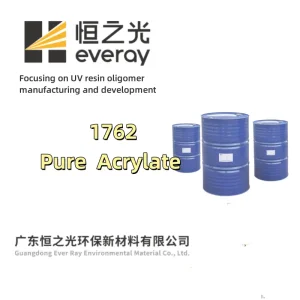
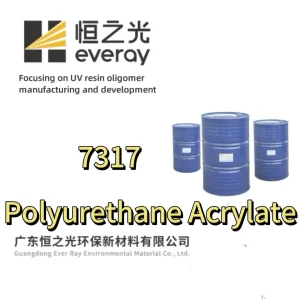
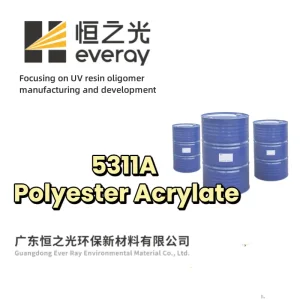
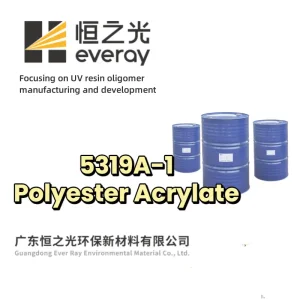
Explore our complete range of specialized resins, polyurethane acrylates, polyester acrylates, and adhesive monomers available for direct export to Bangladesh.
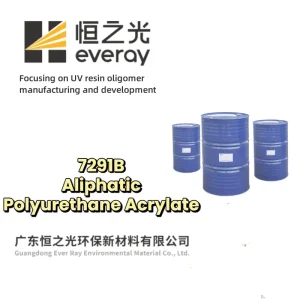
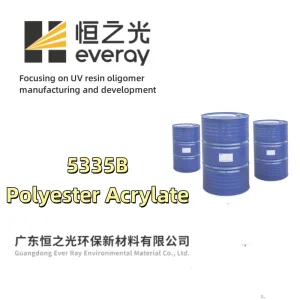
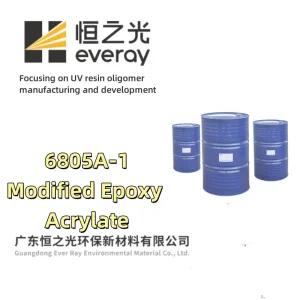
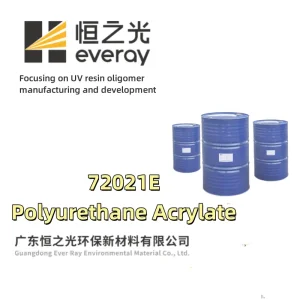
Technical and logistical insights for buyers importing modified acrylate monomers into Chittagong, Dhaka, and surrounding industrial zones.
Get direct factory pricing, technical whitepapers, and free sample drums delivered to your factory in Bangladesh.
