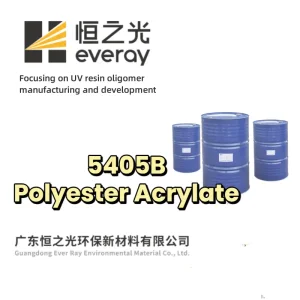
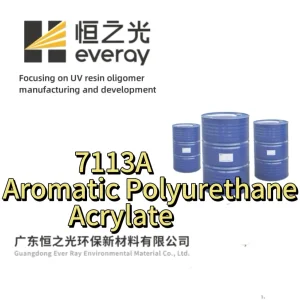
Explore our top-tier, laboratory-validated modified acrylate resins and specialty monomers customized to withstand East Africa's intense tropical UV radiation and high-humidity processing environments.
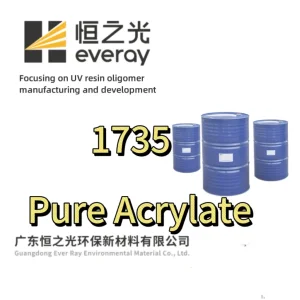
Kenya has rapidly positioned itself as the economic engine and manufacturing hub of East Africa. Driven by the Vision 2030 industrialization roadmap, major manufacturing centers spanning the Nairobi Metropolitan Area, Mombasa, Thika, and Eldoret are undergoing an accelerated technological transition from legacy solvent-borne thermal systems toward ultra-fast, energy-efficient Photopolymerization (UV/EB Curing) technologies.
At the core of this industrial advancement lies the strategic procurement of high-grade Modified Acrylate Monomers. These specialized chemical compounds act as reactive diluents and functional modifiers, determining crucial parameters such as viscosity reduction, cure velocity, crosslink density, surface tension, and interlayer adhesion across diverse manufacturing substrates.
Kenyan chemical formulators, ink compounding plants, and industrial coating operations face distinct regional operational challenges. The demand for advanced modified acrylate monomers is specifically driven by three strategic imperatives:
SEO Information Gain Insight: Unlike standard monofunctional monomers (such as HEA or HPA) which suffer from intense odor, skin irritation, and high volumetric shrinkage, Ethoxylated, Propoxylated, and Caprolactone-Modified Acrylate Monomers incorporate flexible ether or ester chains. This molecular engineering dramatically lowers skin irritation (Primary Irritation Index PII < 2.0), reduces shrinkage to below 1.5%, and enhances flexibility on tough plastics like untreated PE, PP, and PET films common in Kenyan flexible packaging.
Modified Acrylate Monomers represent a sophisticated class of functional esters optimized for free-radical photo-polymerization. By chemical alteration of the ester side-chain—introducing alkoxylation, ring-opening alkylene oxide adducts, or hydrophobic long-chain aliphatic structures—formulators can precisely tune the physical chemical balance of final UV formulations.
High-molecular-weight oligomers (such as heavy epoxy acrylates or aromatic urethane acrylates) exhibit extremely high viscosity, often exceeding 50,000 mPa.s at 25°C. Modified acrylate monomers serve as powerful reactive diluents. Alkoxylated di-functional and tri-functional acrylates (e.g., Ethoxylated Trimethylolpropane Triacrylate - TMPTA) lower formulation viscosity to sprayable (10–30 mPa.s) or flexographic printing windows (100–500 mPa.s) without adding non-reactive volatile solvents.
Kenyan industrial substrates range from low-surface-energy polyolefins (BOPP, HDPE) to dense glass containers and oxidized metals. Standard acrylates feature surface tensions around 32–36 mN/m, causing crawling or cratering. Specialty modified acrylates containing siloxane modification or fluorinated ester tails reduce dynamic surface tension to below 22 mN/m, securing flawless leveling, defect-free wetting, and elimination of pinholes in high-speed coating lines.
Atmospheric oxygen rapidly quenches free radicals during surface UV curing, resulting in tacky, unreacted surface layers. Modified amine-functional acrylate monomers act as internal hydrogen donors. They react with oxygen-inhibited peroxyl radicals to regenerate active amino-alkyl radicals, accelerating surface cure speeds under standard ambient air without requiring expensive nitrogen inerting blankets.
To maintain a competitive edge in global supply chains, industrial formulators operating within Kenya must align their product development with incoming technological shifts. Our R&D division in Guangdong, China has mapped out a 5-year technical evolution pathway designed to support East African manufacturers.
Transitioning from energy-intensive medium-pressure mercury lamps to 365nm/395nm LED-UV diode arrays. Requires modified acrylates with enhanced spectral reactivity and minimal photoinitiator demand to cut electricity costs in Kenyan plants.
Synthesizing modified acrylates derived from plant-based polyols, modified soybean oils, and bio-succinic acid. Aiming for 30% to 65% bio-renewable carbon content to satisfy international ESG mandates for Kenyan agricultural exporters.
Integrating photo-thermal dual curing mechanisms and organic-inorganic hybrid nano-silica modified acrylates. Formulated for zero-shadow micro-electronics assembly and extreme scratch-resistant architectural coatings in East Africa.
Direct procurement of specialized raw chemical materials from China to Kenya requires robust supply chain logistics, meticulous documentation, and strict adherence to international shipping standards. Guangdong Ever Ray Environmental Material Co., Ltd. provides comprehensive end-to-end export infrastructure.
All export shipments to Mombasa port are supplied with accredited Certificates of Conformity (CoC) under the Pre-Export Verification of Conformity (PVoC) program, complete with detailed Safety Data Sheets (SDS) matching GHS standards and independent lab test reports.
To prevent premature polymerization caused by elevated ambient temperatures during transit through tropical maritime shipping routes, our modified acrylate monomers are packaged in light-proof, oxygen-inhibited HDPE drums (200kg) or UN-certified IBC totes (1000kg) with thermal monitoring.
Browse our extended product catalog designed for specialized industrial applications across East Africa, including 3D printing, flexible packaging, wood floor topcoats, and metallized plastic primers.
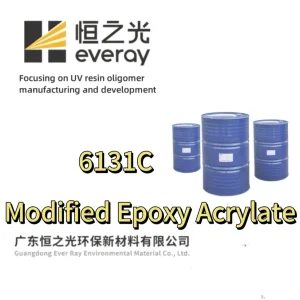
Detailed answers compiled by our Senior Formulation Chemists and Global Trade Logistics Team to assist technical directors, purchasing agents, and chemical engineers in East Africa.