
Formulated for immediate integration into high-speed UV offset inks, industrial parquet sealers, and plastic topcoats across the Netherlands. Explore our core technical grades optimized for low volatile emissions and high line speeds.
The Netherlands stands as a cornerstone of Europe’s high-tech chemical manufacturing, graphics printing, and advanced wood-coating supply chains. From the chemical clusters surrounding the Port of Rotterdam to the precision engineering centers in Brainport Eindhoven and the paper-converting hubs in Gelderland, Dutch industrial formulators demand raw materials that satisfy strict operational efficiency standards alongside tough EU environmental mandates.
Serving as Europe’s primary maritime gateway, the Netherlands provides an unexcelled supply chain conduit. Chemical blenders and ink manufacturers rely on consistent bulk shipping of epoxy acrylate oligomers directly into European storage facilities with zero supply line latency.
Driven by energy cost optimizations across Benelux manufacturing sites, formulators are transitioning rapidly from standard mercury vapor lamps to high-efficiency 365nm and 395nm UV LED systems. Our modified epoxy acrylates deliver high double-bond conversion without surface tackiness under lower energy intensities.
Dutch environmental regulations strictly limit VOC emissions and hazardous monomer migration. Our epoxy acrylate oligomer portfolio features refined low-monomer-residual fractions, enabling compliance with REACH SVHC guidelines and food-contact packaging protocols.
Epoxy acrylate oligomers remain the backbone of radical UV-curable formulations due to their unmatched balance of fast curing kinetic rates, high glass transition temperatures ($T_g$), superior tensile strength, and cost-effectiveness. Synthesized through the esterification reaction between epoxy resins—typically Bisphenol A Diglycidyl Ether (BADGE)—and acrylic acid, these oligomers possess terminal acrylate functionalities capable of instantaneous crosslinking under ultraviolet radiation.
The rigid aromatic rings inherent in Bisphenol A epoxy backbones impart exceptional chemical inertness, high thermal stability, and mechanical hardness. Simultaneously, the free hydroxyl groups generated during epoxide ring-opening enhance intermolecular hydrogen bonding, conferring outstanding adhesion properties onto difficult polar substrates like metals, glass, and treated plastics.
Standard bisphenol A epoxy acrylates can exhibit inherent brittleness and high viscosity. To address specific Dutch application constraints, our synthetic laboratory employs advanced structural modifications:
Comprehensive chemical metrics designed for R&D formulators and chemical process engineers evaluating raw materials for Dutch production facilities.
| Oligomer Series | Viscosity (mPa.s @ 25°C) | Functionality | Key Characteristics | Primary Target Application |
|---|---|---|---|---|
| 6160M-3 Series | 15,000 - 30,000 | 2.2 | Rapid surface dry, low yellowing, amine-modified | High-speed paper varnishes, flexo overprint inks |
| 6100D-85 Series | 25,000 - 45,000 | 2.0 | High substrate adhesion, high gloss, low shrinkage stress | UV wood primers, parquet coatings, metal lacquers |
| 6231 Series | 10,000 - 20,000 | 2.0 | Self-leveling, smooth film formation, moderate flexibility | Plastic topcoats, consumer electronic housings |
| 9105A-80 Series | 40,000 - 70,000 | 2.0 | Extreme hardness (5H), solvent & acid/alkali resistant | Heavy industrial protective coatings, glass primers |
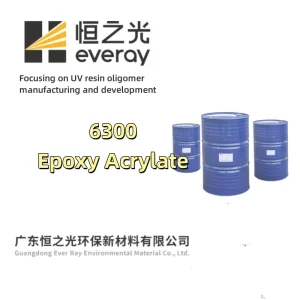
| 6300 Series | 3,000 - 8,000 | 2.0 | Low viscosity, high diluent efficiency, rapid degassing | Spray-applied wood coatings, paper OPVs |
Securing a resilient, cost-optimized chemical supply chain requires direct partnership with primary synthesis manufacturers. As a direct synthetic manufacturer operating specialized chemical production lines, we provide Dutch procurement teams with structural cost advantages backed by international quality management systems.
By producing core intermediates and maintaining direct purchasing agreements for high-purity Epichlorohydrin, Bisphenol A, and Acrylic Acid, our plant eliminates supply chain volatility. Dutch buyers gain direct immunity from European raw material spot-price spikes and localized supply shortages.
Equipped with fully automated synthesis reactors, online viscosity monitoring, and gas chromatography analytical laboratories, every batch exported to the Benelux region undergoes rigorous quality gate inspections. Key parameters including acid value (<1.0 mg KOH/g), color (<1.0 Gardner), and gel time are tightly controlled.
Connect directly with our senior polymer engineers to request COA certificates, SDS compliance sheets, or custom oligomer modifications tailored for Dutch industrial standards.
Our epoxy acrylate oligomers are meticulously engineered to solve specific formulating challenges encountered in Dutch manufacturing environments—ranging from sustainable timber finishing to high-precision graphic arts.
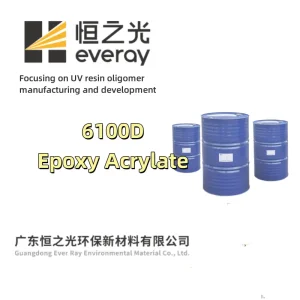
Dutch wood floor manufacturers demand instant-cure roller-coat systems with extreme wear resistance. Our 6100D series epoxy acrylates deliver exceptional clarity, highlighting wood grain aesthetics while forming a scratch-resistant barrier capable of enduring heavy foot traffic in commercial spaces.
In the Dutch food-packaging printing sector, press speeds often exceed 300 meters per minute. Modified epoxy acrylates such as 6160M-3 offer exceptionally fast cure response and high gloss, protecting printed folding cartons against scuffing and moisture during logistics transportation.
Centered around Brainport Eindhoven, advanced electronic assemblers rely on low-yellowing epoxy acrylates for precision bonding, component potting, and conformal coating. Specialized low-shrinkage grades prevent optical distortion and micro-cracking in precision assemblies.
The UV-curing resin sector is experiencing rapid innovation driven by energy efficiency goals and environmental sustainability requirements across the European Union. Our R&D team remains at the forefront of these technological transitions.
Traditional epoxy acrylates can suffer from oxygen inhibition when exposed to long-wavelength LED-UV light (385–395nm). Our next-generation amine-modified epoxy acrylates incorporate internal synergists that boost surface conversion without requiring expensive photoinitiator blends.
To support circular economy initiatives in the Netherlands, our laboratory is actively developing bio-modified epoxy acrylate oligomers derived from plant-based epoxide feedstocks. These resins reduce carbon footprints while maintaining industrial-grade hardness and solvent resistance.
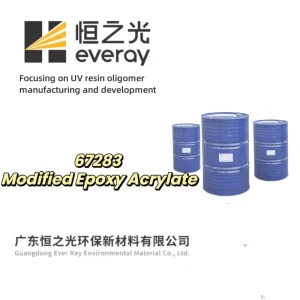
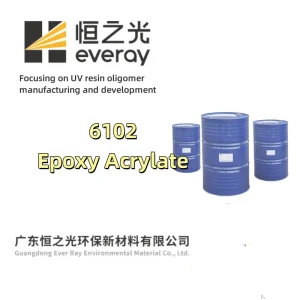
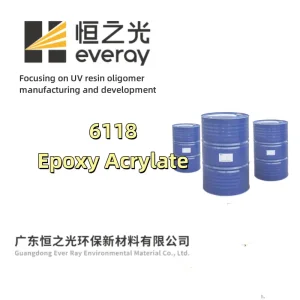
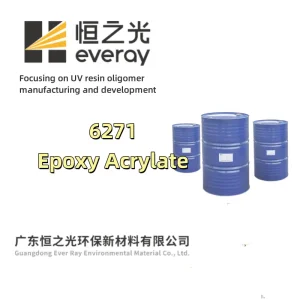
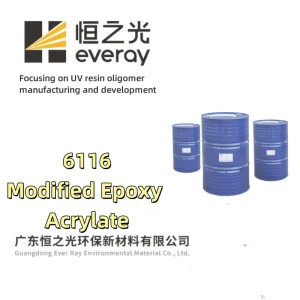
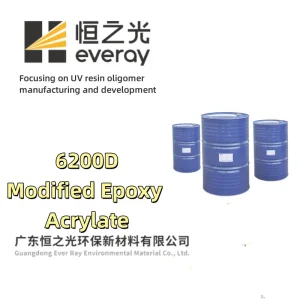
Browse our extensive chemical catalog of epoxy acrylate oligomers available for direct supply, sample evaluation, and bulk commercial distribution across the Netherlands and Benelux region.
Chemical compliance is non-negotiable for importing raw materials into the European Single Market. We provide total regulatory backing to ensure smooth customs clearance through Rotterdam Port and complete peace of mind for Dutch EHS (Environmental Health and Safety) managers.
Our standard and modified epoxy acrylate oligomers comply with Regulation (EC) No 1907/2006 (REACH). Tonnage coverage agreements and Only Representative (OR) support are available for qualified Benelux distribution partners.
Every shipment is accompanied by bilingual Dutch/English Safety Data Sheets (SDS) fully aligned with Regulation (EC) 1272/2008 (CLP). Proper GHS labeling and UFI code generation assistance are standard.
Supplied in heavy-duty 200kg steel drums, 1000kg IBC containers, or ISO tanks with UN-certified packaging ratings, ensuring safe long-distance sea transit and easy integration into automated plant dosing pumps.
Technical clarity for procurement directors, formulation chemists, and plant engineers sourcing epoxy acrylate oligomers in the Netherlands.
Request technical data sheets (TDS), safety data sheets (SDS), free evaluation samples, or direct factory price quotes for delivery to the Netherlands.