Industrial Chemistry White Paper & Product Guide

High-Quality Vacuum Plating Factory & Products

Next-Generation UV Curable Oligomers & Advanced Surface Coating Solutions for Physical Vapor Deposition (PVD)

High-Performance UV Resins for Vacuum Electroplating

Engineered for optical clarity, superior metal adhesion, rapid curing response, and high thermal stability across challenging industrial substrates.
Wholesale Polyester Acrylate 5501 — A Core Resin for LED-UV Wood Coating Systems Suppliers, Product

Wholesale Polyester Acrylate 5501 — A Core Resin for LED-UV Wood Coating Systems Suppliers

View Technical Details
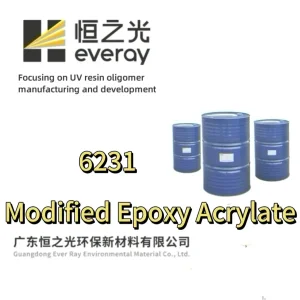
High-Quality 6231 Curing modified epoxy acrylate with excellent leveling properties

High-Quality 6231: Curing Modified Epoxy Acrylate with Excellent Leveling Properties

View Technical Details
Buy High adhesion 6100D-85 epoxy acrylate for UV wood coating applications

Buy High Adhesion 6100D-85 Epoxy Acrylate for UV Wood Coating Applications

View Technical Details
High-Quality A150 UV-resin for UV-ink and UV-coatings

High-Quality A150 UV-Resin for Specialty UV-Ink and UV-Coatings

View Technical Details
Wholesale 7620 UV-curing Resin applied in UV vacuum electroplating

Wholesale 7620 UV-Curing Resin Applied in Advanced UV Vacuum Electroplating

View Technical Details
Buy 73008 Low-Shrinkage Polyurethane Acrylate Resin

Buy 73008 Low-Shrinkage Polyurethane Acrylate Resin for Electronic Potting & Metal Coating

View Technical Details
Wholesale Polycarbonate Acrylate 72203A Fast Curing UV Resin

Wholesale Polycarbonate Acrylate 72203A – Fast Curing UV Resin for Soft Touch Coatings

View Technical Details
High-Quality 7411B UV Resin low viscosity high solids solution

High-Quality 7411B UV Resin: Low Viscosity High Solids Solution for Matte Applications

View Technical Details

The Paradigm Shift in Vacuum Plating Chemistry

How UV-curable polymer technology is replacing traditional electroplating to meet global environmental compliance and ultra-high decorative performance standards.

In the contemporary surface finishing ecosystem, vacuum plating (Physical Vapor Deposition or PVD) has evolved from a niche decorative process into an essential manufacturing methodology across consumer electronics, automotive trim, cosmetic packaging, and architectural hardware. Driven by increasingly stringent global environmental mandates—such as REACH, RoHS, and EPA VOC limits banning traditional hexavalent chromium ($Cr^{6+}$) electroplating—industrial formulators are rapidly transitioning toward eco-friendly UV-curable vacuum metallization coatings.

Technical Information Gain Insight: Modern UV vacuum electroplating relies on a three-tier chemical architecture: a UV Basecoat Primer that seals substrate defects and ensures inter-layer bonding, a Vapor Deposited Thin Metal Film (typically Aluminum, Chromium, or Titanium, 30–100 nm thick), and a high-durability UV Topcoat Clear Varnish that guards against mechanical scratch, chemical corrosion, and UV-induced oxidation.
2006
Established Year
40,000+
Plant Area (m²)
10+
Advanced Synthesis Lines
10+
Invention Patents
< 1%
Volumetric Shrinkage

Global Sourcing Drivers & Vacuum Plating Trends

Evaluating technical purchasing metrics required by international tier-1 manufacturers and OEM formulators.

Substrate Adhesion Engineering

Procurement teams demand resins capable of directly bonding to non-polar plastics such as ABS, PC, PMMA, PET, and untreated polypropylene without aggressive etching. Formulating with specialty modified acrylate monomers and carboxylated oligomers overcomes substrate tension challenges.

Thermal Shock & Yellowing Resistance

High-density LED-UV curing processes demand oligomers with extreme photo-thermal stability. Aliphatic polyurethane acrylates (PUA) ensure zero yellowing under continuous outdoor UV exposure and withstand thermal cycles ranging from -40°C to +85°C.

Zero-VOC & LED-UV Energy Efficiency

Global factories are upgrading from mercury vapor lamps to 365nm/395nm LED-UV curing arrays. Oligomers formulated with amino acrylate synergists neutralize oxygen inhibition, facilitating complete surface cure at lower UV dose intensity.

Comprehensive Vacuum Plating Coating Solutions

Tailored resin matrices optimized for high-throughput coating production lines across major global industries.

3C Consumer Electronics & Smart Devices (NCVM)

Mobile phone housings, laptop chassis, and wearable cases require Non-Conductive Vacuum Metallization (NCVM) to prevent electromagnetic interference with 5G/Wi-Fi antennas. Our low-shrinkage aliphatic PUA oligomers (such as 73008 & 7620) provide an ultra-smooth basecoat that yields a flawless mirror finish while maintaining high dielectric insulation strength.

  • High pencil hardness (up to 3H–4H post-cure)
  • Passes RCA tape abrasion test > 300 cycles
  • Exceptional resistance to artificial sweat and cosmetics

Automotive Interior & Exterior Metallized Components

Automotive OEM specifications demand rigorous climate aging performance. Our specialized epoxy acrylates and modified polyurethane acrylates (such as 6231 & PUA 7291B) provide extreme resistance to moisture condensation, boiling water immersion, and thermal shock testing.

  • CASS Salt Spray Test compliance > 96 hours
  • QUV Accelerated Weathering resistance without micro-cracking
  • High flexibility to accommodate substrate thermal expansion

High-End Cosmetic Packaging & Perfume Caps

Cosmetic containers molded from PETG, SAN, and ABS require luxurious metallic gloss coupled with chemical resistance against alcohol, essential oils, and aromatic solvents. Our fast-curing polyester acrylate oligomers (such as 5501 & 5320) deliver high leveling speed and deep gloss clarity.

  • Rapid line speed curing under high-speed automatic spray lines
  • Superior alcohol immersion resistance (> 24 hours in 95% ethanol)
  • High fullness and metallic depth reflection

Home Appliances & Sanitary Metallic Hardware

Replacing traditional chrome electroplating on ABS/PC appliance buttons, faucet handles, and decorative trims. Using pure acrylate oligomers combined with hyperbranched functional resins ensures high scratch resistance and fingerprint-repellent surface energy.

  • High impact strength and resistance to mechanical chipping
  • Low volumetric shrinkage preventing film curling and delamination
  • Eco-friendly zero-heavy-metal manufacturing compliance

Selecting the Right Oligomer Architecture for PVD Layers

A comparative evaluation of polymer chemistry performance across Basecoat Primer and Topcoat Clear Varnish applications.

Resin Chemistry Class Primary Molecular Features PVD Layer Suitability Adhesion Performance Thermal / Scratch Durability
Epoxy Acrylate (e.g., 6231, 6100D-85) High double-bond conversion, rigid bisphenol backbone UV Basecoat / Primer Excellent (ABS, PC, Metals) Ultra-High Hardness, Moderate Flexibility
Aliphatic Urethane Acrylate (e.g., 7620, 73008) Isocyanate derivative backbone, hydrogen bonding UV Topcoat / High-End Primer Outstanding (Plastics & Metals) Non-yellowing, High Toughness & Elasticity
Polyester Acrylate (e.g., 5501, 5320) Low viscosity, high ester group concentration UV Basecoat & Tinted Inks Good (PET, PC, PMMA) High Leveling, Fast Cure Speed
Polycarbonate Acrylate (e.g., 72203A) Carbonate linkage structure, hydrolytic stability Specialty Protective Topcoat Excellent Cross-Hatch Score Superior Chemical & Hydrolysis Resistance
Hyperbranched Acrylate Dendritic multi-functional architecture UV Surface Modifier / Topcoat Medium (Requires blending) Extreme Scratch Resistance & Ultra-Low Viscosity

Adhesion & Shrinkage Mitigation Chemistry

One of the persistent challenges in vacuum electroplating coating design is volumetric shrinkage stress during UV photopolymerization. When acrylic double bonds ($C=C$) polymerize into single bonds ($C-C$), the free volume shrinks by 5% to 15%, leading to internal stress concentration at the interface between the organic resin and the inorganic vapor-deposited metal layer. This stress causes metallic cracking, micro-delamination, or failure during cross-hatch tape testing (ASTM D3359).

Guangdong Ever Ray Environmental Material Co., Ltd. solves this through custom-modified oligomers with low double-bond shrinkage and polar functional group grafting (phosphate esters, carboxylic acid moieties, and flexible ether chain segments). This polymer structure relaxes film stress while establishing strong physical-chemical anchoring forces with aluminum, chromium, and stainless steel vapor films.

Guangdong Ever Ray Environmental Material Co., Ltd.

A trusted chemical synthesis enterprise providing worldwide export support, precise batch consistency, and OEM technical customization since 2006.

State-of-the-Art Production Base

Located in Dawan Industrial Park, Yunfu, Guangdong, our factory spans over 40,000 square meters equipped with 10+ automated stainless-steel reactor lines. Our sales headquarters in Jiangmen manages global export operations and technical customer support.

Strict Batch-to-Batch Quality Assurance

Every lot undergoes analytical testing using Gel Permeation Chromatography (GPC), Brookfield Viscometers, Colorimeters, and Refractometers. Purchasing teams receive comprehensive Technical Data Sheets (TDS), Safety Data Sheets (SDS), and Certificate of Analysis (COA) per drum.

Global Export Logistics & Compliance

We provide dangerous goods (DG) compliant steel drum packaging, IBC tote delivery, container shipping, and localized customs clearance support across North America, Europe, Southeast Asia, and the Middle East.

Next-Generation Vacuum Electroplating Coating Horizons

Anticipating chemical innovations that will shape tomorrow's sustainable surface finishing industries.

Bio-Based UV Resins

Synthesizing acrylate oligomers derived from renewable plant polyols and bio-succinic acid, drastically reducing carbon footprint metrics while maintaining technical parity with petroleum-derived resins.

Dual-Cure Systems

Combining UV free-radical curing with secondary moisture-cure or thermal-cure mechanisms to resolve shadow-area curing on complex 3D molded geometries in automotive headlamps and interior assemblies.

Self-Healing Topcoats

Developing nano-phase separated polyurethane acrylate networks capable of thermally reflowing micro-scratches under ambient sunlight, preserving mirror-like PVD metallic luster over years of use.

Specialty Resins & Modified Acrylate Monomers

Explore our full range of reactive diluents, adhesion promoters, and functional oligomers for advanced industrial formulations.
Wholesale Aromatic PA UV-resin 7162 for Plastic Spray-coatings

Wholesale Aromatic PA UV-Resin 7162 for Plastic Spray-Coatings & UV-Inks

View Technical Details
High-Quality PUA 7291B Empowering High-End UV Applications

High-Quality PUA 7291B: Empowering High-End Vacuum Plating & UV Applications

View Technical Details
Buy 6102 UV Resin Enhanced low shrinkage epoxy acrylate

Buy 6102 UV Resin: Enhanced Low Shrinkage Epoxy Acrylate Solution

View Technical Details
High-Quality Low Shrinkage High Flexibility Pure Acrylate Resin

High-Quality Low Shrinkage High Flexibility Pure Acrylate Resin for Plastics

View Technical Details
Buy Fast Curing Modified Epoxy Acrylate Resin 6231 for High Gloss UV Coatings

Buy Fast Curing Modified Epoxy Acrylate Resin 6231 for High Gloss Coatings

View Technical Details
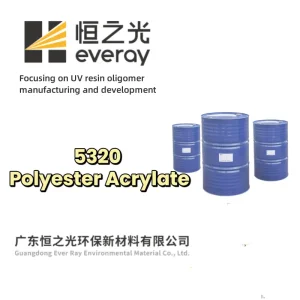
Wholesale 5320 polyester acrylate optimal ink wettability

Wholesale 5320 Polyester Acrylate: Optimal Ink Wettability and High Gloss

View Technical Details
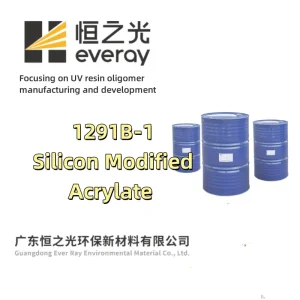
High-Quality Enhance UV coating using antifouling function of 1291B-1

High-Quality Antifouling UV Coating Resin 1291B-1 for Specialty Surface Protection

View Technical Details
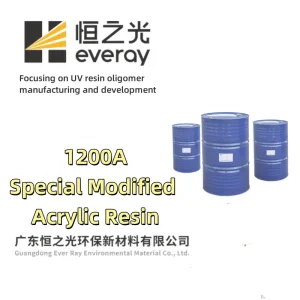
Buy 1200A UV resin in adhesion of density-board primer and metal-substrate

Buy 1200A UV Resin for Superior Metal Substrate & Primer Adhesion

View Technical Details

Frequently Asked Questions (FAQ) for Technical Procurement

Clear, authoritative answers regarding resin qualification, formulation parameters, and factory supply capabilities.

1. Why is low volumetric shrinkage critical for UV vacuum electroplating basecoats?
During Physical Vapor Deposition (PVD), a thin aluminum or metal film (30–100 nm) is deposited onto the cured UV basecoat. If the basecoat exhibits high curing shrinkage (>5%), residual tensile stresses weaken inter-layer adhesion between the polymer and metal film. Over time or during thermal shock exposure, this stress releases via iridescent micro-cracking, rainbow haze, or complete metal film flaking. Resins like 73008 and 7620 are engineered specifically with low-shrinkage aliphatic backbones to maintain dimensional relief.
2. How do epoxy acrylates compare to polyurethane acrylates in PVD coatings?
Epoxy acrylates (such as 6231 & 9105A-80) offer high cure speed, high surface hardness, superior chemical barrier properties, and cost benefits, making them ideal for primer basecoats on rigid plastics. Polyurethane acrylates (such as 7620 & 7296-1) provide superior elongation, impact resistance, flexibility, and resistance to yellowing, making them the preferred choice for protective clear topcoats and flexible substrates.
3. Can Guangdong Ever Ray provide customized oligomer synthesis for specific substrates?
Yes. Our R&D technical center, backed by over 10 invention patents and 18+ years of chemical synthesis expertise, customizes resin viscosity, functionality, glass transition temperature ($Tg$), refractive index, and polar adhesion functional groups to match customer coating line parameters and specific substrate requirements (such as untreated PP, nylon, glass, or die-cast aluminum).
4. What photoinitiators and reactive diluents are recommended for LED-UV curing systems?
For 365nm and 395nm LED-UV curing arrays, we recommend pairing our low-viscosity oligomers with acylphosphine oxide photoinitiators (such as TPO, TPO-L, or 819) combined with amine synergists (Active Amine series) to overcome surface oxygen inhibition. Reactive diluents like TPGDA, HDDA, and modified mono-functional acrylates are recommended to tune viscosity without compromising double-bond conversion.
5. What compliance standards and technical documentation accompany bulk orders?
All UV-curable oligomers and monomer products comply with international environmental directives including EU REACH, RoHS 2.0, SVHC, and VOC standards. Every shipment is delivered with a lot-specific Certificate of Analysis (COA), Safety Data Sheet (SDS) prepared according to GHS standards, and a comprehensive Technical Data Sheet (TDS).