High-Quality Wood Coating Factories & Products

Global Market Dynamics, Polymer Chemistry, Advanced Formulations & Technical Roadmap

Featured Industry Formulations

High-Performance UV Resins & Industrial Wood Coatings

Explore our engineered oligomers and specialized resins designed for UV curable roller coating, spray finishing, and vacuum coating applications across industrial wood processing lines.
High-Quality Enhance UV coating using the antifouling function of 1291B-1 Manufacturer, Products

High-Quality Enhance UV Coating Using 1291B-1 Antifouling Resin

View Product Details →
High-Quality 6805A-1 UV-resin in UV Offset Printing Suppliers, Product

High-Quality 6805A-1 UV Resin for Offset Printing & Overprint Varnishes

View Product Details →
Wholesale Polycarbonate Acrylate 72203A – Fast Curing UV Resin for Soft Touch Coatings, Clear Coats & UV Inks Supplier, Suppliers

Polycarbonate Acrylate 72203A – Soft Touch & Matte Clear Coats

View Product Details →
Buy 72017 Photo-Thermal Dual-Curing Polyurethane Acrylate Resin Low Shrinkage High Toughness Oligomer for 3D Printing Factories, Product

72017 Photo-Thermal Dual-Curing PUA Oligomer for Complex Geometries

View Product Details →
Buy Polyester Acrylate 5377A – The Ideal Choice for Flexographic UV Inks Manufacturer, Factories

Polyester Acrylate 5377A – Low Viscosity Resin for UV Flexo & Wood Stains

View Product Details →
Wholesale 72017A-8 Dual-Curing UV Resin for 3D Printed Footwear High Elasticity Low Shrinkage Resin Manufacturer, Product

72017A-8 Elastic Dual-Curing Resin with Superior Flexibility & Toughness

View Product Details →
Buy Aromatic Polyurethane Acrylate Oligomer High Adhesion Acrylic Resin for UV Vacuum Metallizing Topcoats on ABS/PC Supplier, Product

Aromatic Polyurethane Acrylate Oligomer – Abrasion Resistant Hard Topcoats

View Product Details →
High-Quality Model 72027 Weather-Resistant Polyurethane Acrylate Resin Low Yellowing High Tack PSA Adhesive Oligomer for Outdoor Tapes Labels Supplier, Product

72027 Weather-Resistant Aliphatic PUA Resin – Non-Yellowing Finish

View Product Details →
Whitepaper · Section 1

Global Wood Coating Market: Industrial Scale & Commercial Reality

The global wood coating industry is undergoing a structural evolution, driven by rigid environmental mandates, high-throughput automated manufacturing lines, and escalating end-user demands for surface longevity. Historically dependent on traditional solvent-borne nitrocellulose (NC), acid-curing (AC), and two-component polyurethane (2K PU) systems, wood coating factories worldwide are accelerating their transition toward 100% solid ultraviolet (UV) curable resins, waterborne UV (WB-UV) dispersions, and LED-curable oligomer technology.

Modern industrial wood coating factories—spanning engineered hardwood flooring facilities, flat-pack cabinetry manufacturing, architectural joinery, and high-end residential furniture—require chemical formulations that harmonize instantaneous cure speeds (often exceeding 30 meters per minute line speeds) with rigorous mechanical performance metrics. Achieving Taber abrasion resistance over 1,000 cycles, 3H–5H pencil hardness, cold-check crack resistance, and stain resistance against household chemicals requires an acute understanding of resin polymer architecture.

100%
Solid Content VOC-Free UV Resins
< 0.5s
Ultra-Fast Photo-Curing Speed
5H
Pencil Hardness via Epoxy Acrylates
>1500
Taber Wear Resistance Cycles
E-E-A-T Technical Insight: The primary bottleneck in high-speed wood coating factories is balancing radical polymerization shrinkage with substrate adhesion. Wood is a porous, hygroscopic, anisotropic natural polymer that expands and contracts with ambient humidity. High-crosslink UV oligomers applied directly to bare wood often undergo micro-delamination under humidity cycling unless buffered by hyperbranched or low-shrinkage epoxy acrylate primer systems.
Whitepaper · Section 2

Industry Trends & Green Polymer Chemistry

Decarbonization, low volatile organic compound (VOC) emissions, and energy-efficient UV-LED curing technologies are defining the next generation of wood surface finishing.

UV-LED Low Energy Curing

Transitioning from high-pressure mercury vapor lamps (broadband 200–400nm) to monochromatic UV-LED emission (365nm, 385nm, 395nm) reduces factory power consumption by up to 75%. Formulators utilize high-reactivity polyester acrylates and specialized phosphine oxide photoinitiators (TPO, 819) to achieve complete through-cure.

Waterborne UV (WB-UV) Systems

Combining the zero-VOC benefits of aqueous polyurethane dispersions (PUDs) with the instantaneous curing performance of acrylates. WB-UV oligomers provide optimal wood grain wetting, zero monomer irritation, and warm, natural wood aesthetics without raising wood fibers excessively.

Bio-Based & Circular Monomers

Incorporating bio-derived polyols (soybean oil, castor oil, modification of cardanol) into urethane and epoxy acrylate backbones. Modern bio-content oligomers achieve over 30–50% renewable carbon content while matching petroleum-derived mechanical hardness and chemical durability.

Whitepaper · Section 3

Technical Roadmap: Resin Synthesis & Polymer Chemistry

Formulating high-efficiency industrial wood coatings requires a systematic selection of oligomer backbones, reactive diluents, photoinitiator packages, and functional additives. Below is a comparative breakdown of primary resin chemistries utilized by top-tier wood coating factories.

Oligomer Chemistry Core Characteristics Mechanical Properties Primary Application in Wood Coating
Epoxy Acrylates (e.g., Bisphenol A) Ultra-fast curing rate, high crosslink density, economical cost. Extreme hardness (4H–5H), chemical & stain resistant, rigid. Sanding sealers, base coats, filler coats, SPC/LVT floor primers.
Aromatic Polyurethane Acrylates (APUA) High toughness, excellent scratch and abrasion resistance. Balanced flexibility, tensile strength, high wear resistance. Industrial hardwood flooring topcoats, interior cabinet finishes.
Aliphatic Polyurethane Acrylates (APUA) Non-yellowing backbone, UV weatherable, highly elastic. High impact resistance, flexibility, gloss retention. Outdoor architectural joinery, clear wood topcoats, luxury veneer.
Polyester Acrylates Low viscosity, excellent pigment wetting properties. Moderate hardness, good flexibility, rapid surface cure. Pigmented UV wood stains, roller-applied grain fillers, UV inks.
Hyperbranched Acrylates Multi-functional (8–16 functional groups), ultra-low viscosity. Rapid crosslinking, surface scratch resistance, anti-fingerprint. Ultra-matte topcoats, anti-scratch finishes, dual-cure clearcoats.

Photo-Thermal Dual Curing Chemistry

For complex 3D wood assemblies—such as carved cabinet doors, detailed chair legs, and recessed window frames—line-of-sight UV light exposure is frequently blocked, leading to uncured shadow areas. Factories are adopting Photo-Thermal Dual-Curing Polyurethane Acrylate resins (e.g., Grade 72017). Under UV exposure, the acrylate groups undergo initial surface gelling; subsequently, applied ambient or IR heat activates secondary thermal initiators (or dual Isocyanate/Hydroxyl crosslinking), driving 100% full conversion in shaded regions.

Mitigating Oxygen Inhibition in Surface Cure

Atmospheric oxygen radical quenching is a fundamental obstacle in free-radical acrylate polymerization, frequently causing tacky or soft surface coats. Wood coating factories resolve oxygen inhibition through three primary technical routes:

  • Amine Synergist Integration: Incorporating reactive amine acrylates (e.g., active amine additives) that consume dissolved oxygen via hydrogen abstraction mechanisms.
  • Inert Gas Blanket Curing: Flooding the UV curing chamber with Nitrogen ($N_2$) to reduce oxygen levels below 200 ppm, enabling pristine surface hardness with lower photoinitiator dosages.
  • Higher Functionality Monomers: Utilizing pentaerythritol tetraacrylate (PETRA) or dipentaerythritol hexaacrylate (DPHA) to drive radical concentration above the oxygen diffusion threshold.
Whitepaper · Section 4

Localized Application Scenarios & Regional Standards

European Union: Ultra-Low VOC & AgBB Standards

European wood processing facilities operating under REACH and IKEA IOS-MAT-0066 regulations prioritize zero-migratable photoinitiators, low-odor monomers, and aqueous UV coatings. Formulations heavily utilize waterborne aliphatic polyurethane acrylate dispersions to meet AgBB indoor emission limits.

North America: Heavy-Duty Hardwood & KCMA Testing

In North American solid oak and maple cabinetry manufacturing, coatings must satisfy rigorous KCMA (Kitchen Cabinet Manufacturers Association) specifications. Coatings are tested against hot coffee, mustard, vinegar, and 24-hour detergent exposure. Formulations demand high bisphenol-A epoxy acrylate content combined with aromatic urethane acrylates.

Asia-Pacific: High-Speed Automated Roller Coating Lines

Asian manufacturing hubs specialize in high-volume, automated flat-line finishing of engineered flooring and panel furniture. Line speeds exceeding 40 m/min require ultra-low viscosity polyester acrylates and hyperbranched acrylic resins for instant sanding and stacking capability immediately post-cure.

Whitepaper · Section 5

Macro Industry Solutions & Factory Formulation Blueprints

System A: Industrial Flooring Multi-Layer Roller Coating Sequence

High-wear hardwood flooring requires a multi-coat system applied across successive roller coaters and UV curing tunnels:

  1. Direct-to-Wood Primer (10–15 g/m²): Formulated with low-viscosity epoxy acrylate and pure acrylate monomers to deeply penetrate wood pores and ensure mechanical keying.
  2. UV Sanding Sealer (20–30 g/m²): High-pigment-fill epoxy acrylate containing talc/silica matting agents. Cured via Gallium/Mercury lamps for rapid sanding within 5 seconds.
  3. Abrasion-Resistant Base Coat (15–20 g/m²): Loaded with micro-corundum (aluminum oxide) particles suspended in aromatic polyurethane acrylate to provide Taber scratch resistance.
  4. Anti-Scratch Topcoat (8–12 g/m²): Formulated with hyperbranched acrylate (e.g., Grade 4600) and aliphatic PUA to deliver stain protection, controlled gloss (from dead-matte 5% to high-gloss 90%), and silky soft-touch feeling.

System B: Eco-Friendly Architectural Joinery Spray System

For 3D window frames and exterior cladding, automated reciprocating spray robots utilize Waterborne UV (WB-UV) resins. After spraying, water is flashed off in a warm air drying tunnel (50°C for 3–5 minutes), followed by UV lamp exposure which instantly cures the remaining 100% active PUD film into a durable, weather-resistant coating.

Technical Knowledge Base

Frequently Asked Questions (FAQ)

Detailed engineering solutions for resin formulators, procurement officers, and industrial coating engineers.

Q1: Why does intercoat delamination occur in multi-layer UV wood coating lines, and how can it be prevented?
Intercoat delamination typically results from over-curing the underlying sealer or basecoat prior to applying the subsequent coat. When the base coat is over-crosslinked, available double bonds (free acrylates) are exhausted, preventing chemical covalent bonding between layers. Solution: Reduce the UV lamp intensity (dose) in intermediate curing stations to achieve a "ghost cure" or semi-cure (gelation stage), reserving full UV dose exposure for the final topcoat tunnel.
Q2: How do formulators achieve a uniform dead-matte finish (< 5 Gloss Units) without sacrificing chemical resistance?
Ultra-matte UV coatings often suffer from high viscosity or poor burnish resistance due to high silica loadings. Modern formulations utilize hyperbranched acrylate oligomers combined with excimer laser curing technology (172nm wavelength). The excimer light micro-folds the surface resin layer before deep UV cure, generating physical micro-roughness that scatters light naturally without requiring excessive matting silica.
Q3: What causes yellowing in clear pine and white-oak wood finishes under ambient indoor light?
Yellowing stems from two distinct factors: polymer backbone degradation and photoinitiator photoproduct yellowing. Standard aromatic polyurethane acrylates and bisphenol-A epoxy acrylates contain benzene rings that degrade under UV/blue light. To achieve permanent non-yellowing finishes, formulators must select Aliphatic Polyurethane Acrylates (APUA) synthesized with IPDI or HDI isocyanates, paired with non-yellowing photoinitiator packages (e.g., photoinitiator 184 or TPO-L) and HALS (Hindered Amine Light Stabilizers).
Q4: What is the optimal viscosity range for roller coating vs. spray coating industrial wood resins?
Industrial reverse roller coaters require a higher resin viscosity between 500 to 2,500 mPa.s at 25°C to maintain a stable liquid bank without splashing. Automated spray coating requires significantly lower viscosity (20 to 150 mPa.s at application temperature) to achieve fine atomization without orange-peel defect; this is achieved either via reactive monomer dilution (HDDA, TPGDA) or waterborne PUD emulsification.
Q5: How does monomer functionality affect cure shrinkage and wood adhesion?
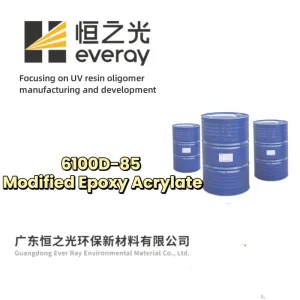
Monofunctional monomers yield low shrinkage (<5%) and excellent flexibility, enhancing adhesion to raw wood, but cure slowly and offer low hardness. Tri-functional (TMPTA) and hexa-functional (DPHA) monomers crosslink densely, achieving extreme scratch hardness but undergoing volumetric shrinkage up to 12–15%, which can cause film curling or adhesion loss. Balancing bi-functional diluents with specialized adhesion-promoting oligomers (e.g., Grade 6100D-85) yields optimal structural stability.
Specialized Industrial Resins & Monomers

High-Adhesion, Low-Shrinkage & Functional Oligomers

Browse our targeted product portfolio engineered for floor coatings, offset inks, vacuum metallizing, and high-durability wood finishes.
Buy 17701 Low Shrinkage Modified Acrylate Oligomer - Resin for Offset and Film Inks Factories, Product

17701 Low Shrinkage Modified Acrylate Oligomer for Film & Inks

View Product Details →
Wholesale Scratch resistant 4600 hyperbranched acrylic UV resin :suitable for varnish and ink Suppliers, Factory

4600 Scratch Resistant Hyperbranched Acrylic UV Resin for Varnishes

View Product Details →
High-Quality Polyester Acrylate 5403-2F – A Reliable Choice for High-Quality UV Inks Manufacturer, Manufacturers

Polyester Acrylate 5403-2F – High Gloss Resin for UV Wood Inks

View Product Details →
High-Quality Fast-reacting 5103 polyester acrylate UV resin, very suitable for plastic coatings Manufacturer, Product

Fast-Reacting 5103 Polyester Acrylate UV Resin for Clear Coatings

View Product Details →
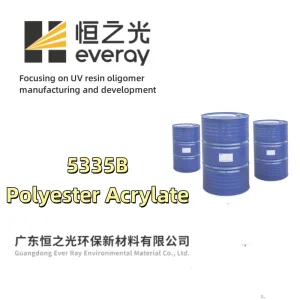
Wholesale 5335B UV-resin in UV color inks, varnishes, and offset inks Manufacturer, Manufacturers

5335B UV Resin for Color Inks, Overprint Varnishes & Offset

View Product Details →
Buy High adhesion 6100D-85 epoxy acrylate for UV wood coating applications, etc. Suppliers, Factory

6100D-85 High Adhesion Epoxy Acrylate for UV Wood Coating Primers

View Product Details →
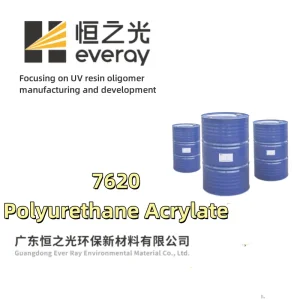
Wholesale 7620 UV-curing Resin applied in UV vacuum electroplating Factory, Products

7620 High Hardness UV Curing Resin for Vacuum Electroplating Topcoats

View Product Details →
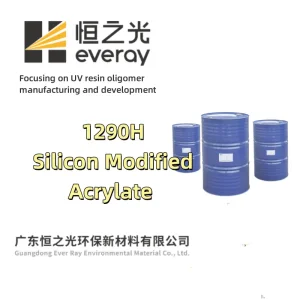
High-Quality Low shrinkage 1290H can apply for PVC floor coating applications Suppliers, Factory

1290H Low Shrinkage UV Resin for PVC & Engineered Wood Floor Finish

View Product Details →