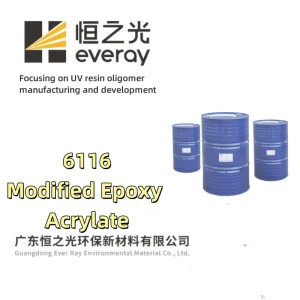
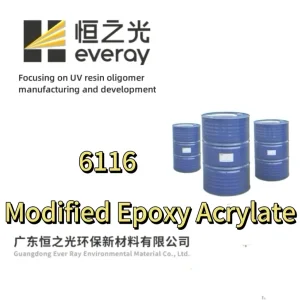
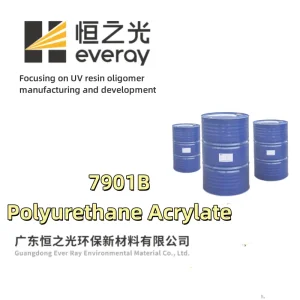
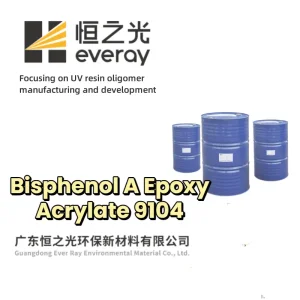
Explore high-performance chemical building blocks optimized for scratch resistance, fast conversion, low shrinkage, and superior adhesion.
A rigorous examination of photopolymerization dynamics, oligomer design, and direct-factory sourcing strategies for modern additive manufacturing and industrial coatings.
The global industrial polymer market is experiencing a structural paradigm shift from traditional solvent-borne thermal curing chemistries to high-efficiency, zero-VOC, energy-conserving UV-curable acrylate systems and 3D photopolymer epoxies. As direct manufacturers, factory formulators, and technical buyers seek high-gain information to establish competitive market dominance, understanding the micro-molecular architecture of photopolymers becomes vital.
Modern industrial 3D epoxy formulations utilize free-radical and cationic curing mechanisms. Epoxy acrylates, derived from Bisphenol A diglycidyl ether (BADGE) modified with acrylic acid, form the backbone of rigid industrial coatings, high-speed overprint varnishes (OPV), offset inks, and precision 3D stereolithography (SLA/DLP/LCD) resins. Modern additive manufacturing requires precise control over volumetric thermal expansion, cure kinetic profiles, oxygen inhibition mitigation, and double-bond conversion efficiency.
Understanding the fundamental chemistry of oligomers allows OEM engineering teams to select exact chemical grades for specific processing environments:
Market forces shaping global procurement, raw material sourcing, and next-generation formulation chemistry.
Transitioning 3D printing from rapid aesthetic prototyping to high-load functional end-use production. Demand has surged for high-impact ABS-like resins, flame-retardant (UL94 V-0) stereolithography materials, and high-temp heat-deflection resins (HDT > 180°C).
Global transition from legacy high-pressure mercury vapor lamps (broadband 254-436nm) to monochromatic UV-LED arrays (365nm, 385nm, 395nm, 405nm). Formulations require specialized photoinitiator tuning (TPO, BAPO) and low-viscosity oligomers to ensure surface dry speed without oxygen inhibition.
Stricter global mandates (REACH Annex XVII, EU Green Deal, California Prop 65) drive the replacement of monomeric diluents containing high skin-irritation factors (e.g., TPGDA, HDDA) with ethoxylated or bio-sourced reactive diluents and waterborne polyurethane dispersion (PUD) UV resins.
A side-by-side technical evaluation of core oligomer classes to assist chemical R&D teams and purchasing managers in selecting the ideal resin system.
| Oligomer Chemical Class | Viscosity Range (cP @ 25°C) | Tensile Strength / Hardness | Elongation at Break (%) | Primary Technical Advantages | Target Industrial Applications |
|---|---|---|---|---|---|
| Standard Epoxy Acrylate (e.g., Model 9104) |
15,000 – 35,000 | 65 – 80 MPa / 3H–4H | 1% – 3% | Fastest cure rate, maximal surface hardness, high chemical resistance. | UV Wood Sealers, Overprint Varnishes, Rigid SLA 3D Resins. |
| Hyperbranched Acrylate (e.g., Model 4600) |
800 – 2,500 | 50 – 70 MPa / 3H | 2% – 5% low shrinkage | Ultra-low viscosity without solvent, multi-functional crosslinking density. | High-Gloss Screen Inks, Anti-Scratch Electronics Topcoats. |
| Aliphatic Polyurethane Acrylate (e.g., Model 7911 / 72027) |
3,000 – 12,000 | 25 – 45 MPa / HB–2H | 80% – 250% | Zero yellowing, extreme outdoor weatherability, exceptional flexibility & tack. | 3C Mobile Coatings, Outdoor PSA Tapes, Car Wrap Topcoats. |
| Dual-Curing Photopolymer (e.g., Model 72017A-8) |
1,200 – 4,500 | 15 – 35 MPa / Shore 60A-80D | 100% – 350% | Combines light rapid shape-fixing with thermal shadow cure; high resiliency. | 3D Printed Footwear Midsoles, Elastomeric Gaskets, Automotive Parts. |
| Polyester Acrylate Oligomer (e.g., Model 5502B / 5311A) |
500 – 4,000 | 30 – 55 MPa / H–2H | 5% – 15% | Superior pigment wetting capability, fast lithographic response, low odor. | Offset Printing Inks, Flexo Packaging Inks, Paper Varnishes. |
Real-world application blueprints resolving critical technical bottlenecks for high-throughput manufacturing lines.
Challenge: Traditional SLA/DLP photopolymers suffer from flex fatigue, structural tear upon repeated stress, and dimensional deformation in outdoor heat.
Solution Framework: Utilizing Model 72017A-8 Dual-Curing UV Resin as the primary oligomer matrix combined with reactive diluents (IBOA, HEA). Upon exposure to 405nm light, rapid gelation locks geometry within 2.5 seconds per layer. Secondary thermal post-curing activates blocked polyurethane networks, yielding 300% elongation, 45 kN/m tear strength, and over 100,000 rebound cycles.
Challenge: Consumer electronics require ultra-thin (<15µm) optical clear coats with 3H pencil hardness, chemical wipe resistance (IPA/sweat), and zero yellowing.
Solution Framework: Formulating with Model 4600 Hyperbranched Resin combined with Model 7911 Polyurethane Acrylate. The hyperbranched core boosts crosslink density while maintaining micro-flexibility. Provides steel wool abrasion resistance (>1,000 cycles under 500g load) without micro-cracking during die-cutting.
Challenge: Solventless pressure-sensitive adhesives often lack shear resistance under elevated temperatures (>70°C) and yellow when exposed to sunlight.
Solution Framework: Leveraging Model 72027 Weather-Resistant Polyurethane Acrylate. Formulated with mono-functional acrylate diluents and photoinitiator 184, this oligomer provides high initial tack (18# ball testing) while maintaining 24-hour static shear resistance at 80°C on stainless steel substrates.
Ensuring seamlessly compliant global supply chains backed by rigorous testing standards and full chemical traceability.
Global procurement teams operating across North America, the European Union, East Asia, and LATAM require strict chemical compliance. At Guangdong Ever Ray Environmental Material Co., Ltd. (EVER RAY), production protocols adhere to internationally audited Quality Management Systems (ISO 9001:2015) and Environmental Management Systems (ISO 14001:2015).
Full documentation support including REACH registration compliance, SVHC allergen screening, RoHS 3.0 (Directive 2015/863/EU), TSCA inventory verification, and halogen-free certifications for electronics integration.
Every batch undergoes strict QC evaluation using Fourier-Transform Infrared Spectroscopy (FTIR) fingerprint matching, Brookfield RVT viscometry at 25°C, APHA colorimeter grading, and acid value titration to ensure delta-E variance under 0.5.
Standardized export packaging includes UN-approved steel drums (200kg net), black anti-UV HDPE totes (1,000kg IBCs), and light-shielded sample pails (20kg), equipped with seal-tight inert gas nitrogen capping to guarantee 12-month shelf stability.
Strategic R&D trajectories guiding our resin development over the next five years.
Development of Near-Infrared (780nm–940nm) sensitized initiator systems enabling deep curing through thick pigmented 3D resin blocks (>50mm depth).
Synthesizing epoxy acrylates from plant-derived cardanol, lignin, and soybean oil derivatives, achieving over 45% bio-based carbon content.
Incorporating reversible dynamic covalent bonds (Diels-Alder chemistry) within polyurethane networks for micro-scratch self-repair in automotive clear coats.
Introducing degradable acetal linkage monomers allowing circular disassembly of 3D printed parts for sustainable material recovery.
Expert guidance addressing common questions from chemical engineers, formulators, and supply chain managers.
Extended chemical solutions engineered for specialized varnish formulations, flexo inks, and industrial surface protection.
Leading China-Based UV Curable Resin & Acrylate Oligomer Manufacturer Since 2006
EVER RAY is a high-tech material enterprise specializing in R&D, chemical synthesis, and international distribution of UV/EB curable resins and specialty acrylate oligomers. Our technical portfolio covers epoxy acrylates, aliphatic/aromatic polyurethane acrylates, waterborne UV dispersions, polyester acrylates, amino acrylates, active amine synergists, and hyperbranched polymers.
Our sales and technical service teams work closely with global procurement departments, offering formulation guidance, technical data sheets (TDS), safety data sheets (SDS), and custom resin modification.