Select from our top-tier cured polyurethane acrylates, epoxy acrylates, and specialty oligomers engineered for fast crosslinking, chemical durability, and non-yellowing characteristics.
In modern material engineering, cured polyurethane represents a pinnacle class of thermosetting and UV-curable polymers valued for their exceptional balance of elasticity, tensile strength, chemical resistance, and optical clarity. Unlike linear thermoplastics that soften upon heating, a fully cured polyurethane matrix forms a three-dimensional covalently crosslinked network. This crosslinked architecture is synthesized through the polyaddition reaction of polyisocyanates (diisocyanates) with polyfunctional polyols, or via photo-initiated radical polymerization of acrylate-functionalized urethane oligomers (Polyurethane Acrylates / PUA).
As a primary wholesale cured polyurethane manufacturer, our synthesis laboratories tailor the molecular backbone to meet exact industrial stress windows. The fundamental properties of cured polyurethane are governed by the stoichiometry, segment phase separation (hard segments vs. soft segments), functional site density, and curing kinetics applied during application processing.
Aliphatic structures based on Isophorone Diisocyanate (IPDI) or Hexamethylene Diisocyanate (HDI) offer absolute non-yellowing performance under harsh solar UV exposure. Conversely, aromatic backbones utilizing Toluene Diisocyanate (TDI) or Methylene Diphenyl Diisocyanate (MDI) yield superior tensile strength and hardness at lower unit cost for interior industrial applications.
The soft segment selection dictates mechanical resilience. Polyether polyols impart hydrolysis resistance and extreme low-temperature flexibility. Polyester polyols deliver exceptional oil, solvent, and abrasion resistance. Polycarbonate polyols represent the ultra-premium tier, ensuring long-term thermal-oxidative stability and hydrolytic durability.
For UV curable polyurethane acrylates, acrylate functional groups attached to the urethane prepolymer undergo rapid free-radical polymerization under UV-A, UV-LED (365nm-395nm), or Electron Beam radiation. Crosslink density is precisely modulated (difunctional to hexafunctional oligomers) to eliminate volumetric shrinkage while maximizing surface hardness.
Below is a technical comparison of standard industrial cured polyurethane classes synthesized across our production facilities:
| Polyurethane Chemistry Class | Viscosity (mPa.s @ 25°C) | Shore Hardness | Tensile Strength (MPa) | Elongation at Break (%) | Tg (°C) | Primary Performance Advantage |
|---|---|---|---|---|---|---|
| Aliphatic Hexafunctional PUA | 15,000 - 35,000 | 85D - 90D | 45 - 65 | 5% - 15% | 65 - 95 | Extreme scratch resistance, zero yellowing, rapid UV LED surface cure |
| Aliphatic Difunctional PUA (Elastomeric) | 5,000 - 12,000 | 60A - 85A | 18 - 30 | 150% - 350% | -25 - 10 | High toughness, superior flexibility, self-healing coatings, film elasticity |
| Aromatic Trifunctional PUA | 8,000 - 20,000 | 75D - 85D | 35 - 50 | 20% - 45% | 40 - 70 | Cost-effective wood varnish, high gloss, abrasion resistance for flooring |
| Waterborne Polyurethane Acrylate (PUD) | 50 - 300 (Dispersion) | 50D - 75D | 25 - 40 | 80% - 200% | 15 - 45 | Zero-VOC compliance, soft skin-feel touch, eco-friendly leather finishing |
| Dual-Cure (UV + Moisture) PU | 3,000 - 8,000 | 70D - 80D | 30 - 45 | 40% - 90% | 30 - 60 | Cures shadowed areas, deep electronics potting, optical bonding stability |
Our engineered polyurethane resins provide robust chemical, thermal, and mechanical protective barriers across globally vital OEM sectors.
Modern automotive OEMs require topcoats that withstand environmental weathering, acid rain, stone chips, and repeated wash cycles. Aliphatic polyurethane acrylate oligomers formulate non-yellowing clearcoats with high gloss retention, scratch self-healing capabilities, and chemical resistance against gasoline and engine fluids.
Mobile device housings, laptop enclosures, and optical film substrates require thin-film cured polyurethane finishes. Our hyperbranched and modified epoxy polyurethane acrylates yield 5H+ pencil hardness on polycarbonate (PC) and PMMA, resisting skin oil cosmetic staining and micro-abrasions while offering tactile matte or high-gloss aesthetics.
High-traffic commercial spaces require flooring coatings that resist impact, heavy forklift traffic, and moisture. Our wholesale cured polyurethane resins feature ultra-fast UV line speed conversion, allowing high-throughput factory pre-finishing of parquet wood flooring, PVC resilient tiles, and seamless concrete epoxy-polyurethane floor topcoats.
Additively manufactured industrial prototypes, dental models, and functional elastomeric components demand resins with controlled reactivity and minimal post-cure shrinkage. Our urethane acrylate monomer and oligomer blends produce high-resolution SLA/DLP resins with elastomeric tear strength, chemical resistance, and biostability.
In food packaging, labels, and flexible film lamination, cured polyurethane acts as a barrier resin and glossy protective varnish. Our low-odor, low-migration polyurethane acrylate series complies with stringent food-contact safety standards, ensuring flexibility without cracking during high-speed film folding and pouch forming.
Printed circuit board (PCB) assemblies operate in harsh corrosive and moisture-rich environments. Cured polyurethane conformal coatings provide electrical insulation, thermal shock dissipation (-40°C to +130°C), and corrosion barrier protection for automotive control units, industrial sensors, and renewable energy power converters.
Procuring wholesale cured polyurethane oligomers and raw material systems on a global scale requires deep visibility into supply chain stability, chemical price forecasting, regulatory compliance, and total cost of ownership (TCO). As formulators, chemical blenders, and tier-1 manufacturers transition toward low-VOC, high-solids, and energy-efficient UV curing systems, strategic sourcing of polyurethane intermediates has become a critical competitive differentiator.
Direct integration with primary petro-chemical streams (IPDI, HDI, Polyols) eliminates middle-tier price markups and ensures raw material purity.
Automated reactors maintain precise temperature, NCO/OH stoichiometry, and inhibitor balance for lot-to-lot batch consistency.
Every batch undergoes viscosity verification, free monomer measurement, color grading (APHA), and reactivity profiling under standard lamps.
UN-approved steel drums (200kg) and IBC totes (1000kg) with full dangerous/non-dangerous goods export documentation shipped worldwide.
High emphasis on TSCA compliance, low residual photoinitiator migration, and ultra-low monomer content to reduce worker exposure during blending. Demands favor high-durability aliphatic polyurethane acrylates for automotive exterior trims and electronic coatings.
Strict adherence to REACH SVHC regulations, zero VOC emissions, and bio-based content verification (ASTM D6866). European buyers prioritize waterborne polyurethane acrylate dispersions (PUDs) and excimer-compatible matte oligomers.
Driven by rapid production line speeds in 3C electronics, solar panel backsheets, and luxury vinyl tile (LVT) flooring. Procurement priorities center on high cure reactivity under LED-UV lamps (395nm) and scalable bulk container deliveries.
Our R&D division is continuously expanding the technological boundaries of cured polyurethane chemistry, focusing on environmental sustainability, energy efficiency, and advanced surface haptics.
Synthesizing high-performance polyurethane oligomers using bio-derived polyols (castor oil, modified soybean polyols) achieving 30% to 70% renewable carbon content without sacrificing Shore D hardness or chemical durability.
Developing specialized polyurethane acrylates designed for 172nm Excimer laser micro-folding. Enables deep matte finishes (gloss < 2 at 60°) with soft-touch skin-feel properties, extreme scratch resistance, and zero matting agent settling.
Optimizing photopolymerization reactivity specifically for 385nm and 395nm LED-UV curing lamps. Reduces line energy consumption by up to 65% while overcoming surface oxygen inhibition in thick clearcoat applications.
Our manufacturing infrastructure operates strictly under ISO 9001:2015 Quality Management Systems and ISO 14001 Environmental Standards, safeguarding batch consistency and international compliance.
All supplied cured polyurethane prepolymers, oligomers, and monomers comply with EU REACH registration requirements, TSCA inventory status in North America, and GB/T standards in China. Full SDS documentation (GHS format) is provided with every shipment.
Our state-of-the-art analytical testing laboratory features Gel Permeation Chromatography (GPC) for molecular weight distribution, FTIR Spectroscopy for double-bond conversion tracking, Differential Scanning Calorimetry (DSC) for Tg determination, and rheometers for precise viscosity profiling.
We provide direct OEM formulator assistance, offering starting point formulations, photoinitiator synergist selection, monomer dilution ratio optimization, and substrate adhesion troubleshooting for specialized industrial lines.
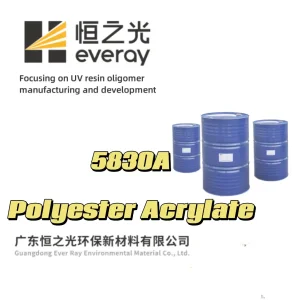
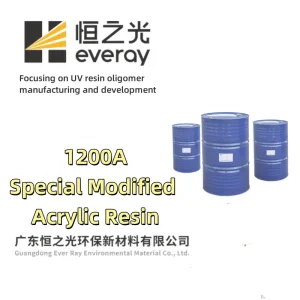
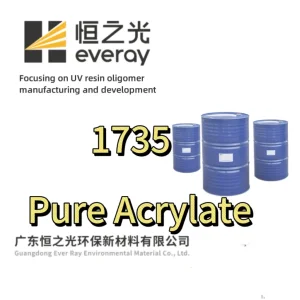
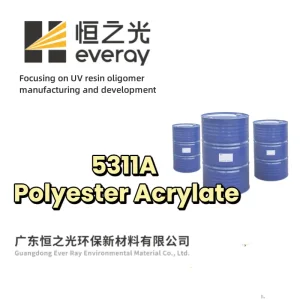
Browse our complete selection of high-performance polyester acrylates, epoxy acrylates, pure acrylates, and specialty polyurethane resin grades.
In-depth answers to common questions asked by B2B buyers, formulation engineers, and supply managers.
Thermoset cured polyurethane relies on a chemical polyaddition reaction between isocyanate (-NCO) and hydroxyl (-OH) groups, usually curing thermally over minutes to hours. Polyurethane acrylate (PUA) incorporates acrylate functional groups onto the urethane backbone, enabling free-radical photopolymerization under UV light in milliseconds. PUA offers extremely fast production speeds while retaining traditional polyurethane toughness.
Aliphatic polyurethanes (derived from HDI or IPDI diisocyanates) lack aromatic ring structures that absorb UV radiation. Consequently, they exhibit zero yellowing, superior gloss retention, and exceptional weatherability for outdoor applications such as automotive finishes and architectural glass. Aromatic polyurethanes (derived from TDI or MDI) offer higher tensile strength and cost savings but will yellow under direct sunlight, making them ideal for interior wood flooring and dark-pigmented industrial coatings.
Yes. Our in-house R&D team regularly custom-synthesizes oligomers to match client processing windows. We can adjust polyol molecular weights, alter acrylate functionality (from difunctional to hexafunctional), or incorporate reactive monomer diluents to achieve target viscosities (e.g., 500 to 100,000 mPa.s) and cured film hardness values ranging from Shore 50A up to 90D.
Standard wholesale packaging includes 200kg UN-certified steel drums and 1,000kg intermediate bulk containers (IBC totes). Sample orders (1kg - 20kg) ship within 3-5 business days via air freight. Bulk container orders (10 to 20 metric tons) typically ship within 10-14 days from our Guangdong manufacturing plant.
Waterborne PUDs incorporate internal hydrophilic salt groups (such as carboxylic acid neutralized with amines) into the polyurethane backbone, allowing the resin to be stably dispersed in water. After application, the water evaporates, and the film undergoes UV crosslinking. This system delivers zero-VOC compliance while achieving mechanical properties comparable to traditional solvent-borne urethanes.
Every batch is tested prior to packaging. The COA provides analytical measurements for: Viscosity (Brookfield @ 25°C), Color Scale (APHA/Gardner), Acid Value (mg KOH/g), NCO Content (for prepolymers), Density, Double-Bond Conversion Reactivity, and Appearance/Clarity.