Explore our industrial-grade polyurethane paint, modified epoxy acrylates, and specialty oligomer solutions engineered for superior wood finishes, high adhesion, and rapid curing.
Analyzing procurement trends, regulatory shifts, and technical advancements driving wholesale polyurethane paint adoption across global furniture, cabinetry, and architectural woodwork sectors.
Polyurethane (PU) coatings represent the gold standard in wood finishing technology worldwide, prized for their unmatched crosslinking density, toughness, chemical resistance, and aesthetic depth. As global manufacturers face escalating demands for environmental compliance (low-VOC, REACH, zero-HAPs) alongside higher line speeds in automated OEM facilities, the chemical architecture of wood-applied polyurethane coatings has evolved rapidly.
Today’s wholesale market spans traditional solventborne 2K Polyurethanes, Waterborne Polyurethane Dispersions (PUDs), and 100% Solid UV-Curable Polyurethane Acrylates (PUA). B2B buyers—ranging from high-volume furniture factories in Southeast Asia to architectural woodworking groups in Europe and North America—require clear technical criteria when selecting formulations that balance chemical durability, Tg (Glass Transition Temperature), clarity, and cost per square meter.
Sourcing directly from primary chemical manufacturers provides distinct strategic benefits. By eliminating middleman markups and working directly with synthesis laboratories, industrial buyers can customize polymer molecular weights, adjust rheological profiles for specific spray or roller equipment, and secure reliable bulk pricing guaranteed by robust raw material supply chains.
Understanding the molecular mechanisms, polyol backbones, and curing chemistry ensures optimal selection for wood substrate protection and aesthetic brilliance.
Formulated via step-growth polymerization between hydroxyl-functional polyols (acrylic or polyester) and polyisocyanate hardeners (TDI/HDI trimers). Delivers deep grain penetration, high film build, and exceptional chemical resistance against household solvents.
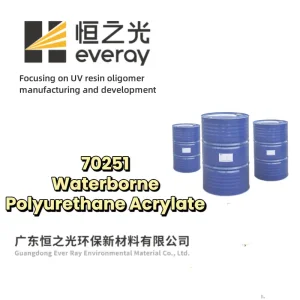
Polyurethane Dispersions incorporate ionic hydrophilic groups (like DMPA) into the polymer backbone, allowing stable water emulsification. They provide zero to ultra-low VOC emissions, rapid surface drying, non-yellowing aliphatic structures, and superior flexural tolerance.
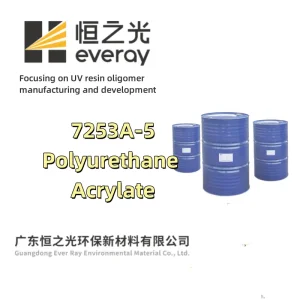
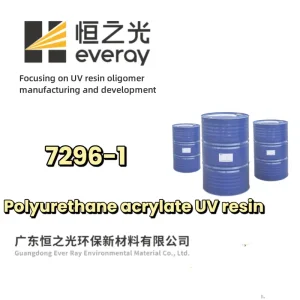
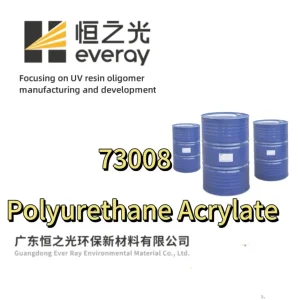
Combines polyurethane toughness with acrylated functional end-groups. Under UV/LED radiation (365-395nm), photoinitiators trigger radical polymerization in milliseconds. Yields maximum surface scratch resistance, zero solvent evaporation, and high line throughput.
| Technical Property | 2K Solventborne Polyurethane | Waterborne PUD Coatings | 100% Solid UV Polyurethane Acrylate |
|---|---|---|---|
| VOC Emissions | High (400 - 650 g/L) | Very Low (<50 g/L) | Near Zero (<10 g/L) |
| Cure / Pot-Life Mechanism | Chemical reaction (4-8 hrs full dry) | Water evaporation + physical coalescence | Ultraviolet Light Curing (<3 seconds) |
| Taber Abrasion Resistance (CS10, 1kg) | 25 - 35 mg loss / 1000 cycles | 30 - 45 mg loss / 1000 cycles | <12 mg loss / 1000 cycles |
| Yellowing Resistance (QUV Exposure) | Moderate (TDI) / Excellent (HDI) | Superior (Aliphatic HDI/IPDI) | Superior (Aliphatic PUA Oligomers) |
| Substrate Grain Penetration | Outstanding | Moderate (Requires specific wetting agents) | Good (Requires dual-cure or specialized primers) |
| Pencil Hardness (ASTM D3363) | 2H - 3H | F - 2H | 3H - 5H |
Optimizing polyurethane paint application protocols for diverse wood substrates, regional climatic conditions, and automated finishing line setups.
Hardwood species such as White Oak, Walnut, and Teak contain high levels of natural tannins and moisture variations. Applying an aliphatic polyurethane primer seals wood pores, prevents tannin bleed-through, and stabilizes the substrate against humidity expansion. Finish coats utilizing polyurethane acrylates provide heavy-foot-traffic scratch resistance.
High-volume kitchen cabinet production lines demand rapid stacking times. Roller-coated UV Polyurethane primers combined with automated curtain-coated topcoats allow line speeds exceeding 25 meters per minute. Immediate UV lamp curing eliminates dusting defects and reduces factory footprint requirements drastically.
Marine environments impose extreme stressors including saltwater splash, thermal expansion, and severe UV radiation. Formulations engineered with Hindered Amine Light Stabilizers (HALS), UV absorbers, and aliphatic isocyanates ensure long-term gloss retention without cracking, chalking, or delamination.
Achieving maximum inter-coat adhesion and film clarity requires strict adherence to physical moisture limits and sanding grit sequences:
Next-generation advancements in sustainable bio-polyols, self-healing polyurethane networks, and LED-UV curing systems transforming wood finish chemistry.
Replacing petroleum-derived polyols with renewable bio-polyols synthesized from castor oil, soybean oil, and lignin derivatives. Future wholesale formulations target over 50% renewable carbon content without sacrificing chemical resistance or pencil hardness.
Incorporating reversible Diels-Alder covalent bonds or hydrogen-bonding supramolecular networks into polyurethane backbones. Micro-scratches on wood furniture surfaces spontaneously repair upon mild thermal exposure or infrared light treatment.
Transitioning from high-pressure mercury lamps to energy-efficient 395nm/365nm LED curing arrays. Newly synthesized polyurethane acrylate oligomers with tailored photoinitiator packages achieve deep through-cure even in heavily pigmented or thick wood coatings.
Unpacking the structural cost advantages, raw material integration, and rigorous quality control protocols that position Chinese chemical manufacturers as reliable global partners.
Global chemical procurement managers face continuous pressures around cost stability, batch consistency, and lead-time guarantees. The Chinese synthetic polymer ecosystem—specifically centered in chemical clusters across Guangdong—offers unrivaled operational scale and vertical integration for polyurethane and acrylate oligomer manufacturing.
Direct proximity to bulk production of key raw inputs—including Acrylic Acid, HDDA, TMPTA, IPDI, TDI, and Polyols—insulates chemical plants from dramatic raw material price spikes and ensures unbroken production schedules during global logistical shifts.
Utilizing closed-loop DCS (Distributed Control System) automated reactors over 40,000 m² guarantees strict temperature control during exotherm stages, yielding tight molecular weight distributions (MWD), repeatable viscosity tolerances (±5%), and crystal-clear color scales.
Dedicated application laboratories allow custom oligomer modification within 7 to 14 days. Formulators can request targeted adjustments to Tg, NCO content, gel time, or substrate adhesion tailored specifically to their regional wood finishing line parameters.
Export packaging protocols adhere strictly to international dangerous goods (DG) standards, utilizing steel drums, nitrogen-blanketed IBC totes, and ISO-tanks designed to maintain liquid resin stability during extended ocean transits.
Full technical documentation, environmental certifications, and localized regulatory alignment for seamless international distribution.
All synthetic oligomers, monomers, and polyurethane additives are fully registered or exempt under EU REACH and US EPA TSCA regulations for chemical trade compliance.
Strict testing ensures zero presence of lead, cadmium, mercury, hexavalent chromium, or restricted phthalates, meeting international toy and furniture safety mandates.
Formulations align with China GB18581-2020, EU Deco Paint Directive 2004/42/EC, and SCAQMD Rule 1113 requirements for low architectural finish emissions.
Every batch delivery is accompanied by complete Technical Data Sheets (TDS), GHS-compliant Safety Data Sheets (SDS), and Certificates of Analysis (COA).
Discover our multifunctional UV resins, waterborne PUD monomers, low-shrinkage oligomers, and flexographic acrylates designed for industrial wood and coating applications.
Expert answers addressing chemistry selections, application troubleshooting, custom formulation capabilities, and bulk logistics.
Connect directly with our chemical application engineers to request sample kits, TDS/SDS documentation, or discuss custom polyurethane acrylate synthesis for your wood finishing production line.
Contact Engineering Sales